Cleanliness isn’t merely a drug industry requirement—it’s mandatory. Whether you’re manufacturing life-saving prescription drugs or over-the-counter drugs, a sterile, sanitary environment may be the key to success or expensive failure. That’s where sanitation pumps enter the picture.
Sanitation pumps are a silent but critical part of pharmaceutical production. They help to transport liquids safely and hygienically without contaminating them and keeping production lines running. Why, then, are sanitation pumps so vital? And why should you be interested in what kind of sanitation pumps your plant is operating?
In this blog today, we’re going to walk you through what sanitation pumps are, why you’re going to need them, what to look for, and why BSK FLUID TECHNOLOGY is a name to be considered now. If you’re anyone who works with pharma manufacturing, then you’re in the right place.
What is a Sanitation Pump, and How Does It Work?
Let’s start from scratch: What are sanitation pumps, anyway?
Sanitation pumps are specialty pumps used to transfer liquids in areas that must be extremely sanitary, like drug plants. They are made of smooth, easy-to-clean materials that have no space for bacteria or buildup.
There are a few different types of sanitation pumps utilized in the pharma sector:
- Centrifugal pumps: Suitable for low-viscosity fluids and high-rate flow.
- Peristaltic pumps: Suitable for sensitive fluids because they’re gentle and won’t shear or damage the product.
- Diaphragm pumps: Preferably for thicker, more viscous fluids.
- Rotary lobe pumps: Deal with thin and thick fluids without altering the hygienic surroundings.
All of these pumps are used for the same purpose: to transport liquids but maintain them clean and safe. They’re used most of the time to mix, fill, and even for cleaning tasks in the manufacturing process.
So, why are they so vital? Let’s take a closer look.
Why Sanitation Pumps Can’t Be Compromised in Pharma Manufacturing
Having learned about what sanitation pumps are, let’s discuss why sanitation pumps are an essential tool in pharmaceutical manufacturing.
In pharmaceuticals, a single speck of contamination can ruin an entire run of product. That’s not just expensive—it’s dangerous. Patients rely on these products to be safe and effective, and there’s no room for error.
Sanitation pumps help eliminate contamination risks by:
- Sealing liquids inside a closed system
- Using surfaces that resist bacterial buildup
- Making cleaning effective and thorough
Without proper sanitation pumps, companies face the threat of inspection failure, product recall, or worse—harming consumers. No company wants that on its record.
Therefore, the question is: How do you choose the right pump to make sure that none of that happens?
Key Characteristics of Reliable Sanitation Pumps
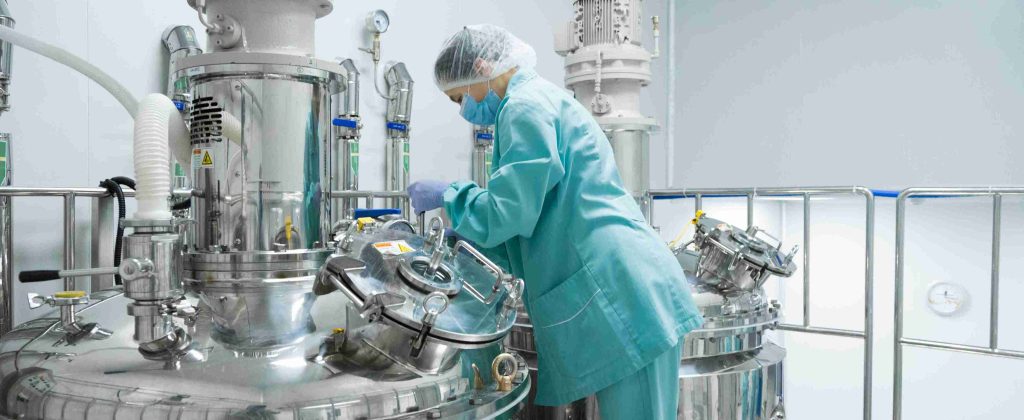
Choosing the right sanitation pump is not about buying one off the shelf. It’s realizing what characteristics really are critical to a high-risk application such as pharmaceutical manufacturing.
The following are the major features:
- 316L stainless steel construction: This 316L stainless steel material is resistant to corrosion and ideal for use in pharma.
- Smooth, crevice-free surfaces: This prevents entrapment of residue and bacteria.
- FDA-approved materials: All contacting parts have to be certified as safe for use.
- CIP (Clean-In-Place) and SIP (Sterilize-In-Place) capability: These provide simpler cleaning of the pump without the need for disassembly, saving time and reducing the opportunity for human error.
- Low shear force: Certain drugs are fragile, and the pump has to propel them around gently without disrupting their structure.
Are you not yet convinced that these amenities are worth the cost? Let me tell you what you actually get out of having high-end sanitation pumps.
Benefits of Using Good Sanitation Pumps
If your sanitation pump is working optimally, you’ll not even realize it. But the payoff is evident throughout your operation.
- Fewer shutdowns: Reliable pumps mean fewer shutdowns and maintenance.
- Extended equipment lifespan: Pumps are made of the finest materials and function better.
- Better product quality: Lower risk of contamination means better, safer drugs.
- Smoother inspections: Regulatory bodies love to see clean, well-maintained systems.
- Faster cleaning operations: Cleaning is automated using CIP/SIP systems, reducing downtime.
And then you are probably wondering, how do the pumps assist you in remaining compliant with stringent industry regulations?
How Sanitation Pumps Help Fill Pharma Needs
Any pharmaceutical firm will have a very clear understanding of the long list of regulations that must be followed. From the FDA to the GMP regulations, compliance is the very heart of the business. Now, how do sanitation pumps fit into that equation?
Here’s how:
- FDA laws require that all the equipment be made from materials that won’t taint the product.
- 3-A Sanitary Standards and EHEDG requirements require pumps to be cleanable and resistant to biofilm growth.
- Compatibility of CIP and SIP guarantees automated and verifiable cleaning.
- USP Class VI components are used for components that come into contact with other components.
Pumps that satisfy these conditions help plants clear inspections and avoid costly shutdowns or recalls. And in a highly regulated industry, having a clear conscience is priceless.
So, if you need pumps that check all the compliance boxes, where do you start? That brings us to BSK.
Why BSK Sanitation Pumps for Your Facility?
At BSK FLUID TECHNOLOGY, we are experts at providing sanitation pumps for use in pharmaceutical production, among others. But why are we unique?
- Professional engineering: Our pumps are built with high-quality stainless steel and FDA-approved materials.
- Smart design: BSK pumps are designed to be easy to clean, simple to maintain, and long-lasting.
- Industry reputation: Highly regarded by pharma, biotech, and food manufacturers globally.
- Custom-fit solutions: We appreciate that every one of our customers is different. We provide pumps that fit your particular flow rates, viscosity needs, and sanitation needs.
- Regulatory support: We help you prepare for an audit with fully documented and validated packages.
If you are building a new structure or replacing old equipment, BSK can supply you with the right sanitation pump to use.
But let’s sum it up—why are sanitation pumps so important?
Conclusion
In brief, sanitation pumps are not the glamorous side of pharma manufacturing, but they’re definitely one of the most essential. From product safety to staying ahead of strict industry regulations, they’re the unsung workhorses behind the scenes that make it all work.
If you desire to increase reliability, ace audits, and protect your products and your workers, the investment in the right sanitation pump is one you won’t regret.
Choosing the right pump shouldn’t be a chore—but it must be accurate. At BSK FLUID TECHNOLOGY, we can help you find out just what your operation needs to stay clean, compliant, and on the cutting edge.
Do you have questions or need to discuss your project? Contact us today—we’re happy to help.
Let’s build a cleaner, safer future for pharma.
Frequently Asked Questions (FAQs)
1. Sanitation pumps are utilized for what drug manufacturing application?
Sanitation pumps are used to transfer liquids safely under sanitary conditions to avoid contamination during drug production.
2. Why do pharma plants need sanitation pumps?
They provide sanitary conditions, reduce downtime, and facilitate compliance with strict industry standards like FDA and GMP.
3. Are the sanitation pumps identical to the regular industrial pumps?
No. Sanitation pumps are constructed with smooth, clean surfaces and FDA-approved materials to be used specifically for hygienic use.
4. What materials are sanitation pumps constructed of?
They are usually constructed of 316L stainless steel and other FDA-approved materials to avoid corrosion and bacterial contamination.
5. Can sanitation pumps handle sensitive pharmaceutical fluids?
Yes. Peristaltic or diaphragm pumps are extremely gentle on fragile fluids and reduce product damage.
6. How often should sanitation pumps be cleaned?
They are typically constructed with Clean-in-Place (CIP) and Sterilize-in-Place (SIP) equipment, which provides periodic and automatic cleaning.
7. Do sanitation pumps aid in regulatory compliance?
Yes. FDA, 3-A, and EHEDG-compliant sanitation pumps guarantee your plant will pass audits and inspections.
8. What is the most suitable pump for thick pharmaceutical fluids?
Rotary lobe or diaphragm sanitizing pumps are ideal when handling thick or viscous drug products.
9. How long do Sanitation pumps last?
With good maintenance, well-designed sanitation pumps can serve for decades—even under harsh conditions.
10. Where can I find expert assistance in selecting an appropriate sanitation pump?
Do not hesitate to contact the BSK FLUID TECHNOLOGY team to get customized advice and trustworthy pump solutions tailored to pharma.
Explore BSK Pneumatic Diaphragm Pumps
Looking for the right AODD pump for your application? BSK Fluid Technology offers a complete range of pneumatic diaphragm pumps in aluminum, stainless steel, cast iron, PP, and PVDF. With 30+ years of manufacturing expertise and patented ceramic air valve technology, we deliver reliable fluid transfer solutions worldwide.
Frequently Asked Questions
Why choose an AODD pump instead of a centrifugal pump?
AODD pumps excel with high-viscosity fluids (up to 10,000 cP), abrasive slurries and shear-sensitive liquids. They run dry without damage, are self-priming, handle solids up to 6mm, and are safe for explosive environments with no electricity. Centrifugal pumps suit very high flow (>1000 L/min) or high pressure (>10 bar).
What industries use AODD pumps?
AODD pumps are used in chemical processing, food & beverage (dairy, wine, CIP), painting & coating, ceramics & mining (slurries, glazes), pharmaceuticals, oil & gas, water treatment, electronics, automotive, and pulp & paper. Their ability to handle abrasives, solvents and shear-sensitive fluids makes them ideal across these sectors.
What pump body materials are available?
BSK offers five body materials: Aluminum alloy (general purpose, oils), Stainless steel 316 (corrosive chemicals, food, pharma), Cast iron (low-cost industrial, wastewater), Polypropylene/PP (acids, alkalis, lightweight), and PVDF (strong acids, solvents, high-purity).
When should I choose PTFE vs Santoprene diaphragms?
Choose PTFE for strong acids, aggressive solvents, high-purity or temperatures above 80°C (shorter flex life, higher cost). Choose Santoprene for mildly corrosive/neutral fluids, longer diaphragm life (2-3x vs PTFE), food-grade use and cost efficiency.
Where can I get a quote for the right AODD pump for my application?
BSK Fluid Technology engineers provide a personalized pump selection within 24 hours. Share your fluid properties, flow rate and pressure requirements via the Contact page or WhatsApp +86-134-3105-8937, and we will recommend the optimal model from our aluminum, stainless steel, cast iron, PP and PVDF AODD range.