
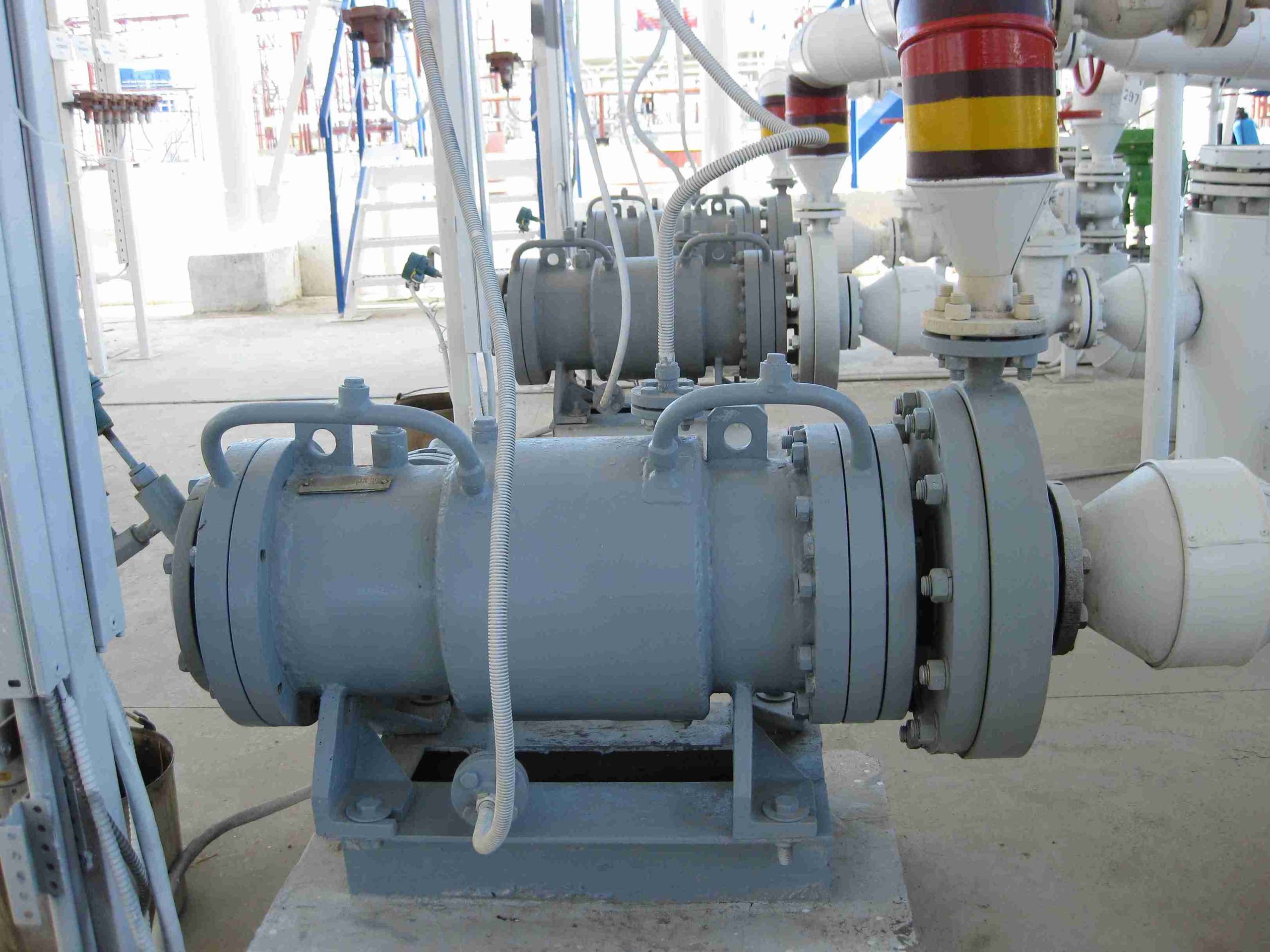
And in the world of environmental protection, pneumatic diaphragm pumps play an important role as efficient handling equipment for a variety of liquids – particularly those associated with the treatment of sewage and processing oil. For Industry Facilities looking at achieving effective fluid control solutions, waste water treatment diaphragm pumps and waste water drainage department diaphragm pumps get wide applications ntmpress to Their pumps’Circularly. Air-operated diaphragm waste oil IBM: these special-purpose pumps form a general-purpose weapon across many industries in need of an efficient fluid handling system.
Applications in wastewater treatment
Currently pumuetic butterfly pumps are widely used in sewerage plants for their ability to pass fluids containing solid particles and abrasive materials. Such pumps — waste water treatment pumps, waste water drainage diaphragm pump and air-operated diaphragm waste oil hydraulic pumps are good at pumping trade effluent, cheek sludge and other waste water types with high efficiency and low maintenance. Below is a comparison table highlighting the main features of waste water treatment diaphragm pumps:
| Features | Waste Water Treatment Pump |
|---|---|
| Material Compatibility | Suitable for abrasive and corrosive Liquids |
| Solids Handling Capacity | efficient handling of solid particles in Sewage |
| Maintenance Needs | Low Maintenance Needed |
| Efficiency | High efficiency Operation |
Applications in waste oil treatment
When it comes to waste oil treatment, pneumatic diaphragm pumps provide a solution for the reliable transfer and disposal of waste oils. Waste oil drainage diaphragm pumps especially are designed to handle problems associated with waste oil including viscosity and contamination. The following list gives the benefits of using air-operated diaphragm waste oil pumps:
— Efficient transfer of waste oil without leakage risk
— Ability to transfer highly viscous fluids
— for the transfer of polluted waste oil
— requirements in long term minimuese for maintaining Such as these lines can clearly be these lines, pneumatic diaphragm pumps are indispensable tools in environmental protection efforts. Both waste water treatment pump the best diapayment and waste oil drains diaphragm puumps provide efficient reliable solutions for the treatment of wastewater and waste oil.
Understanding Pneumatic Diaphragm Pumps
Without pneumatic diaphragm pumps, both processing plants and environmental protection projects such as waste oil handling and wastewater treatment were inconceivable. Understanding the function and advantages of pneumatic diaphragm pumps is essential for optimizing operations in waste water treatment plants and facilities for handling waste oil.
Applications in Waste Water Treatment
At the waste water treatment plant, the pneumatic diaphragm pump is a key figure in transferring fluids that include solids, sludge and abrasive materials. These pumps are specially designed to cope with the harsh conditions of waste water treatment and their performance is dependable. The following table lists some principles of waste water treatment pump design:
| Functions | Advantages |
|---|---|
| Long life handling of abrasive fluids | resistant to corrosion |
| Easy to handle under various conditions | self-priming |
| Efficient conveying of solid-liquid mixtures | solids handling |
Applications in Waste Oil Treatment
In waste oil treatment processes, pneumatic diaphragm pumps provide a safe and effective means of conveying waste oil from collection points to processing facilities. The air-operated design of these pumps is ideal for dealing with viscous waste oils. The following list shows the benefits gained by using diaphragm pumps for waste oil discharge:
– Prevents leaks or spills during transport
– Resistant to the corrosive properties of waste oil
– Cleaning and maintenance are quick and easy
In summary, pneumatic diaphragm pumps are indispensable to today ‘s waste water treatment and waste oil disposal applications because of their rugged construction, adaptability and efficiency. Through understanding the specific requirements of these processes, we can apply the flexibility offered by diaphragm pumps in order to achieve improved performance and environmental sustainability.
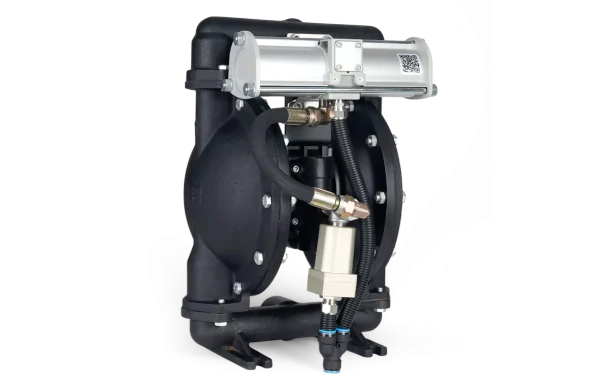
Application in Waste Water Treatment
In the field of environmental protection, pneumatic diaphragm pumps play a vital part in various enterprise in the field of wastewater treatment WWTP and waste oil management. This article will look at the particular kinds of waste water treatment pumps, waste water drainage diaphragm pumps diaphragm and waste oil operated air pumps pumps.
Waste Water Treatment Pump
Waste water treatment pumps are essential in waste water treatment plants. These pumps are specially designed to be used in the transmit of contaminated water, sludge, and other liquids within the treatment system. This so Long as you use waste water treatment pumps, you can ship waste water in a process through different levels of treatment such as screening, primary treatment, biological treatment and final disinfection.
Comparison Table of Waste Water Treatment Pump
| Criteria | Waste Water Treatment Pump A | Waste Water Treatment Pump B | Waste Water Treatment Pump C |
|---|---|---|---|
| Flow Rate (GPM) | 500 | 700 | 600 |
| Maximum Pressure (psi) | 100 | 120 | 90 |
| Material | Stainless Steel | Cast Iron | PVC |
Waste Water Drainage Diaphragm Pump
Waste water drainage diaphragm pumps are designed specifically to be capable of draining water from various sources including worksites, wet industrial facilities, construction sites and civil drainage systems. These pumps are highly efficient in handling contaminated water with solid parts and are widely used in dewatering applications.
List of Features of Waste Water Drainage Diaphragm Pump
- Self-priming capability
- Ability to handle solids up to a certain size
- Corrosion-resistant materials for durability
- Easy maintenance and repair
Air-operated diaphragm waste oil pumps are widely used in the management of waste oil. These pumps are capable of efficiently handling the viscous waste oil that is common in industry, enabling them to transfer it from collection tanks to recycling or disposal facilities.
Table 2: Comparison of Air-Operated Diaphragm Waste Oil Pumps
| Criteria | Pump X | Pump Y | Pump Z |
|---|---|---|---|
| Flow Rate (GPM) | 50 | 70 | 60 |
| Maximum Pressure (psi) | 80 | 100 | 90 |
| Material | Aluminum | Stainless Steel | Polypropylene |
In summary, in the entire disability processing in the Winter there is a certain portion that cannot be neglected–that is waste water disposal. In it, waste water treatment pumps, waste water discharge diaphragm pumps, and air-operated diaphragm waste oil pumps are indispensable for the entire waste water processing planet, ensuring efficient and effective control of polluted water and waste oil.
Role of Pneumatic Diaphragm Pumps in Waste Oil Treatment
In the field of waste oil treatment, the role of pneumatic diaphragm pumps is crucial to achieving efficient and effective waste oil management. These pumps make a major contribution to waste water treatment, waste water drainage diaphragm pumps, and air-operated diaphragm waste oil pumps have become essential members.
Advantages of Pneumatic Diaphragm Pumps for Waste Oil Treatment
Pneumatic diaphragm pumps offer a number of benefits to waste oil treatment. Here are some of the main advantages:
| Advantages of Pneumatic Diaphragm Pumps |
|---|
| 1. Ability to pump high-viscosity fluids efficiently |
| 2. Self-priming features for more efficient overall operation |
| 3. Suitable for the transfer of abrasive or shear-sensitive materials |
| 4. Versatile and capable of accommodating varying amounts of flow and pressure |
| 5. ATEX-certified options for operation in hazardous atmospheres |
Applications of Pneumatic Diaphragm Pumps in Waste Oil Treatment
- Transport of Waste Oil : It is common to use pneumatic diaphragm pumps for transporting waste oils, from collection points to treatment facilities. Their rugged construction and ability to handle solids make them especially suitable for such work.
Mix and Stir: In waste oil treatment processes, pneumatic diaphragm pumps are employed to mix together waste oils with other substances or chemicals to promote the effective operation of the treatment process.
Filtration Presses: To remove water from waste oil sludge, pneumatic diaphragm pumps are used to send the sludge into filter presses. This method disposes of solid material and separates it from the liquid, which is a key step in any waste oil treatment process~Modern Distribution Energy-saving Price. And pneumatic diaphragm pumps offer unique advantages in dewatering waste oil sludge.
- Waste Oil Recovery: Pumps like these can be used in various waste-oil recovery processes—. Different models adapt to different requirements. Valuable resources are thus not wasted and can be recycled or reused after Pumps for Water-treatment and Wastewater are employed in dewatering waste oil sludge and other areas of waste oil refinery.
In summary, pneumatic diaphragm pumps without exception, including waste water treatment pumps and diaphragm waste water drainage pumps, as well as air-operated diaphragm waste oil pumps, have a significant role to play in waste oil treatment each offering efficiency, reliability and tactful flexibility. They merit further study on their use to transfer waste oil, mixing and agitation As well as in filter press feeding waste oil to something else at any rate on environmental protection efforts.
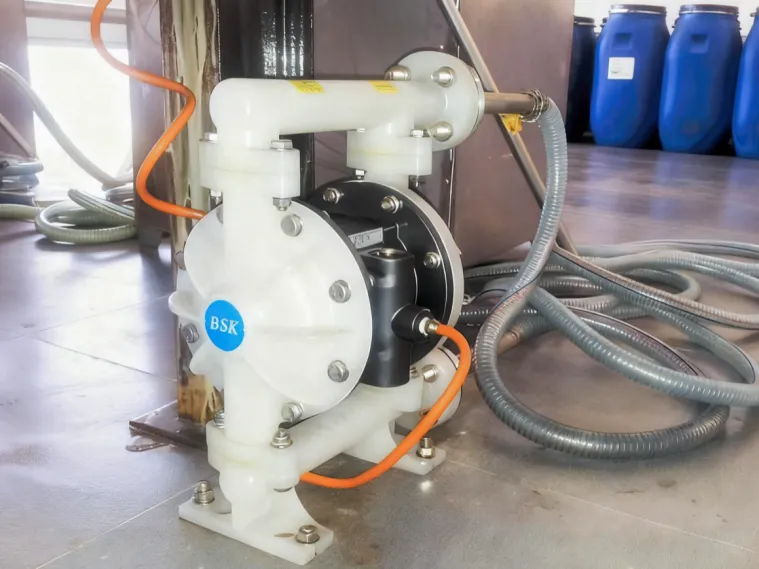
Operational Practices and Considerations
For applications relying on pneumatic diaphragm pumps, such as the treatment of waste oil, water and wastewater, operational practices and considerations must be carefully mastered in order to guarantee optimal performance and efficiency. Here are a few guidelines:
Operational Practices
For waste water treatment pumps and waste water drainage diaphragm pumps to work at their best, these operational practices are recommended:
– Regular Maintenance: Regularly check the pumps for routine maintenance to prevent potential problems and keep them functioning smoothly.
– Installation Correctly: Ensure that Pumps are installed properly in order not to leak or be inefficient.
– Monitor: Regularly monitor the performance of your pump for any deviation and respond promptly.
– Training: All personnel who operate pumps must receive adequate training to enhance safety and efficiency at work.
– Spare parts: A cabinet well-stocked with certain essential spare parts will reduce any outages due to unit or component failure.
Precautions in Use
Air-operated diaphragm waste oil pumps, Please pay attention
• Compatibility With Submerged Materials: Are the pump’s materials of construction compatible with the waste oil being pumped?
• Flow Rate: The flow rate required to efficiently deal with waste oil and conversion into fuel oil.
• Pressure Requirements: Deliberation of the pressure criteria necessary for a particular waste oil treatment process.
• Environmental Conditions: Being aware of the environmental conditions that might affect pump performance, such as temperature change.
• Safety Measures: Procedures that increase staff and equipment safety during filter use加that is,:\par
\par (\ : \newline. GUILayout is reset only when the next paragraph starts.
Tooling which can get into the working condition in spite of unexpected situations like gas pocket etc or not easy to cause major accidents.
Comparison Table: Waste Water Treatment Pump vs. Waste Drainage Diaphragm Pump
| Criteria | Waste Water Treatment Pump | Waste Water Drainage Diaphragm Pump |
|---|---|---|
| Pumping Capacity | Waste Water Treatment Pump | Moderate |
| Application | Treatment of waste water | Waste water control facilities for outflow |
| Maintenance Frequency | Regular | Regular |
| Complexity of Installation | Moderate | Simple |
| Cost | Higher | Lower |
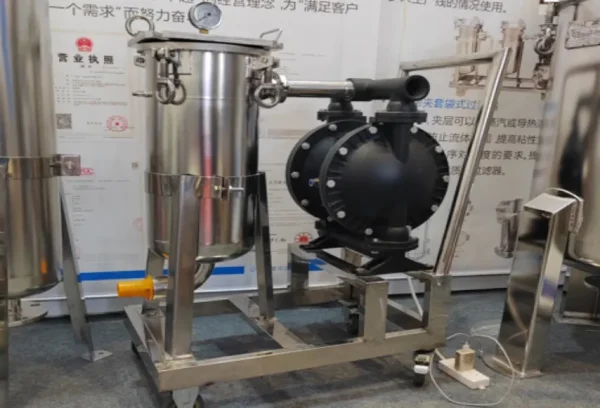
Programs that Work
In this section, we outline real-life cases for environmental protection where pneumatic diaphragm pumps proved effective for waste oil treatment as well as wastewater problems. These case studies will serve as needed clues to answer the very practical question where transient benefits environmental pollution treatment plants based on waste water pumps, waste water drainage diaphragm pump results are observable and on-going quality. air operated diaphragm waste oil pump
Case No.1: Revamping a Waste Water Treatment Plant
| Parameters | Details |
|---|---|
| Location | Industrial Park, City X |
| Problem | Water treatment process was inefficient |
| Solution | Install waste water treatment pump |
| Result | Water treatment efficiency rose markedly |
| Conclusions | Waste water treatment pumps are important to improving environmental quality |
At an industrial park in City X, for example, the introduction of one waste water treatment pump increased water treatment efficiency by a big margin. And with the application of advanced technology like drain diaphragm pumps all the more remarkable improvements in environmental sustainability were achieved.
Case Study 2: Reusing Waste Oil Plant
| Parameters | Details |
|---|---|
| Facility Type | Waste Oil Recycling Plant |
| Challenge | Efficient waste oil drainage required |
| Implemented Solution | Utilization of air-operated diaphragm waste oil pump |
| Outcomes | Streamlined waste oil drainage process, reduced operational costs |
| Insights | Air-operated diaphragm waste oil pumps offer cost-effective solutions for waste oil management |
Within a waste oil recycling plant, the adoption of air-operated diaphragm waste oil pumps has transformed waste oil drainage. This management mode, which both streamlined procedures and saved money, is typical of an enterprising environment protection project using new pump technology.
Through case after case and numerous successful examples, it is evident that waste water treatment pumps, waste water drainage diaphragm pumps, and air-operated diaphragm waste oil pumps are essentialtools for promoting environmental sustainability andefficiently conducting wastewater and waste oil treatment processes.
Conclusion
1) Pneumatic diaphragm pumps are the key to the efficient handling of wastewater and waste oil treatment processess, and its environmental protection.
2) The use of waste water treatment pumps ensures that wastewater is drained away effectively and there will not be environmental pollution.
3) Waste water drainage diaphragm pumps have reliable performance and long life, making them the perfect choice for environmental applications over the long term.
4) Air-operated diaphragm waste oil pumps provide a cost-effective solution to waste oil transfer and management, and protect the environment.
5) Introducing pneumatic diaphragm pumps into environmental protection activities promotes sustainable development and green waste management methods.
Q & A
Q: If I want data that shows what makes waste water treatment pumps a must for environmental protection, then what information do you have?
A: Waste water treatment pumps enable sewage on site not to pour directlyinto the river. Documents indicate that this system greatly cuts down on pollutiion.
Q: How do waste water drainage diaphragm pumps contribute to sustainable waste management?
A: Offering long-term utility with reliable performance, durability and flexibility, waste water drainage diaphragm pumps are essential to environmental applications.
Q: Why are air-operated diaphragm waste oil pumps considered cost-effective for waste oil treatment?
A: Air-operated diaphragm waste oil pumps are a reliable, economical way to transfer and manage waste oil that reduces operational costs and is harmless to the environment.
Q: How can pneumatic diaphragm pumps enhance environmental sustainability efforts?
A: By putting pneumatic diaphragm pumps in the waste treatment process, it promotes environmental sustainability through both efficient waste management practices and reduced environmental footprint.
Q: What role do pneumatic diaphragm pumps play in promoting eco-friendly waste management solutions?
A: Pneumatic diaphragm pumps provide an environmentally friendly way to transport and treat waste water and waste oil, thus promoting sustainable methods in waste management.
Explore BSK Pneumatic Diaphragm Pumps
Looking for the right AODD pump for your application? BSK Fluid Technology offers a complete range of pneumatic diaphragm pumps in aluminum, stainless steel, cast iron, PP, and PVDF. With 30+ years of manufacturing expertise and patented ceramic air valve technology, we deliver reliable fluid transfer solutions worldwide.
Frequently Asked Questions
What industries use AODD pumps?
AODD pumps are used in chemical processing, food & beverage (dairy, wine, CIP), painting & coating, ceramics & mining (slurries, glazes), pharmaceuticals, oil & gas, water treatment, electronics, automotive, and pulp & paper. Their ability to handle abrasives, solvents and shear-sensitive fluids makes them ideal across these sectors.
What pump body materials are available?
BSK offers five body materials: Aluminum alloy (general purpose, oils), Stainless steel 316 (corrosive chemicals, food, pharma), Cast iron (low-cost industrial, wastewater), Polypropylene/PP (acids, alkalis, lightweight), and PVDF (strong acids, solvents, high-purity).
When should I choose PTFE vs Santoprene diaphragms?
Choose PTFE for strong acids, aggressive solvents, high-purity or temperatures above 80°C (shorter flex life, higher cost). Choose Santoprene for mildly corrosive/neutral fluids, longer diaphragm life (2-3x vs PTFE), food-grade use and cost efficiency.
Can BSK pumps handle food-grade and sanitary applications?
Yes. BSK sanitary AODD pumps feature a 316L body with electropolished finish (Ra ≤ 0.8 μm), tri-clamp connections for CIP, FDA-compliant diaphragms, and no dead legs for complete drainage. They are used in dairy, beverages, sauces, edible oils and chocolate transfer.
Where can I get a quote for the right AODD pump for my application?
BSK Fluid Technology engineers provide a personalized pump selection within 24 hours. Share your fluid properties, flow rate and pressure requirements via the Contact page or WhatsApp +86-134-3105-8937, and we will recommend the optimal model from our aluminum, stainless steel, cast iron, PP and PVDF AODD range.


