
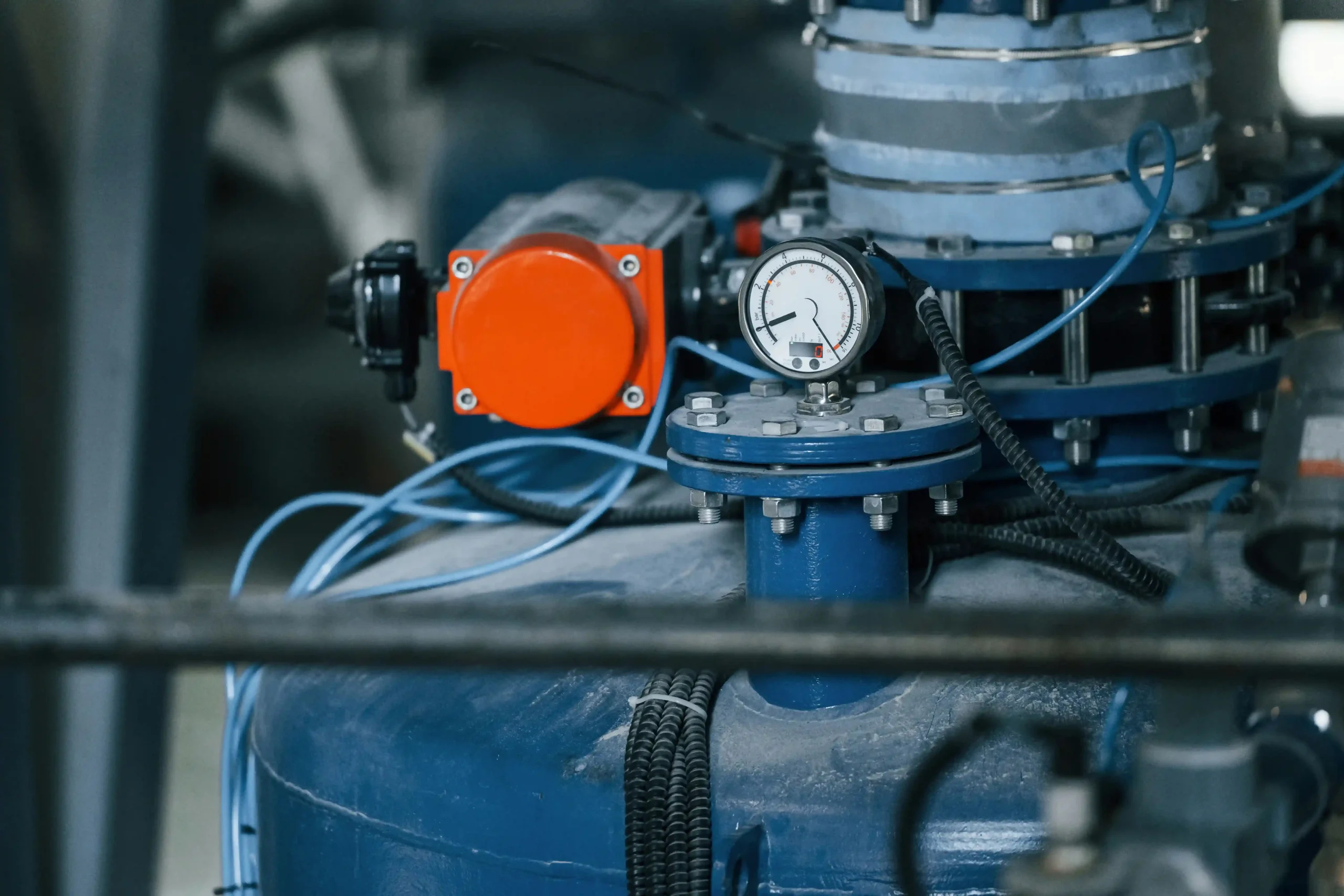
Factory floors rely on efficiency. One minute of unscheduled downtime can mean missed deadlines, wasted resources, and lost revenue. When equipment fails or the system fails, the cost to a business can be astronomical — especially in operations where production is never shut down.One of the ways that facilities are reducing downtime and improving reliability is by using air-driven diaphragm pumps. They’re cheap, effective, and long-lasting — and are becoming the go-to option for companies that want to operate without interruption. But just how do they do this, and why are they so good at minimising downtime?
Let’s start with the fundamentals.
What is an Air Driven Diaphragm Pump and How Does It Work?
The Fundamentals of Diaphragm Pump Design
Air-operated double diaphragm pumps, or air-operated diaphragm pumps, are positive-displacement pumps. That is, they displace fluid by sealing a volume of fluid and forcing it from the pump inlet to the pump outlet.
These pumps consist of two elastic diaphragms linked by a shaft. When compressed air travels from one chamber to another, it forces one diaphragm to move forward to expel the fluid and pulls the other diaphragm backward to draw more fluid into the pump. The cycle goes on continuously, generating a smooth and consistent flow.
Why Use Air Rather Than Electricity?
As opposed to electric motors consumed by electric pumps, air-driven diaphragm pumps utilize compressed air. This gives them several significant advantages:
- No power required, eliminating their application in explosive or hazardous circumstances
- Self-priming, so they don’t need manual priming before use.
- Can run dry without damage, unlike most other pump types
- Only deal with solids, slurries, and corrosive liquids.
Because of these benefits, these pumps are ideal for industries where safety and dependability are most important — and where even a moment’s loss of time would be costly delays.
Why Downtime is a Huge Problem for Factories
When a pump breaks down during manufacturing, the whole line shuts down in some businesses, which can cost thousands — even hundreds of thousands — of dollars an hour.
The Cost of a Blocked Production Line
The value of unplanned downtime to production is, on average, approximately $260,000 per hour, including the value of idle manpower, lost production, shipping delays, and even late delivery penalties. Large companies might have redundant systems, but not small and medium-sized plants.
And even where repairs are easy, simply locating the right technician, replacement parts, or equipment can take hours or days.
Common Causes of Plant Shutdown
Not all downtime is caused by pump failure — but pumps are often a system’s weak link. Here’s why:
- Clogs due to solids or blockages
- Corrosion from aggressive chemicals
- Overheating of electric motors
- Seal failure and leakage of fluid
- Sophisticated maintenance schedules
When a pump breaks down, it always affects something else besides fluid flow. It might shut down cleaning systems, chemical reactions, ingredient mixing, or even cooling systems.
Therefore, how can air-operated diaphragm pumps assist in remedying this?
How Air Driven Diaphragm Pumps Reduce Downtime
Not every pump is the same. Most are designed to do one thing but do not come up to scratch in actual use. Air-driven diaphragm pumps are designed to overcome hurdles that would leave other pumps in an icy standstill.
Simple Design Means Fewer Failures
With fewer parts to be moved and no motor, pumps of this sort have less to go wrong. They have no seals to leak and no impellers to wear out. The diaphragms are designed to bend and reload again and again.
In most cases, if maintenance is needed, the repair is quickly and easily done without special equipment.
They Can Run Dry — Without Breaking
The most common reason a pump fails is running dry — being operated without fluid within. Electric pumps overheat or burn out when this occurs. But air-driven diaphragm pumps are safe to run dry.
That means operators don’t have to monitor them all the time. If the tank empties or a valve closes by mistake, the pump won’t be destroyed. That’s a major reason why they’re used in industries such as mining, chemicals, and wastewater.
Maintenance is Easy and Quick
When pumps require repair, the clock is ticking. Traditional pumps typically must be dismantled entirely, re-aligned specifically, or replaced with precisely crafted components. Diaphragm pumps are built for quick service:
- Simple, pre-fabricated building
- Spontaneous diaphragm replacement
- Minimal downtime during maintenance
- Fewer components to keep in stock
That simplicity translates into reduced cost of maintenance and less delay — considerable advantages to any plant seeking to minimize downtime.
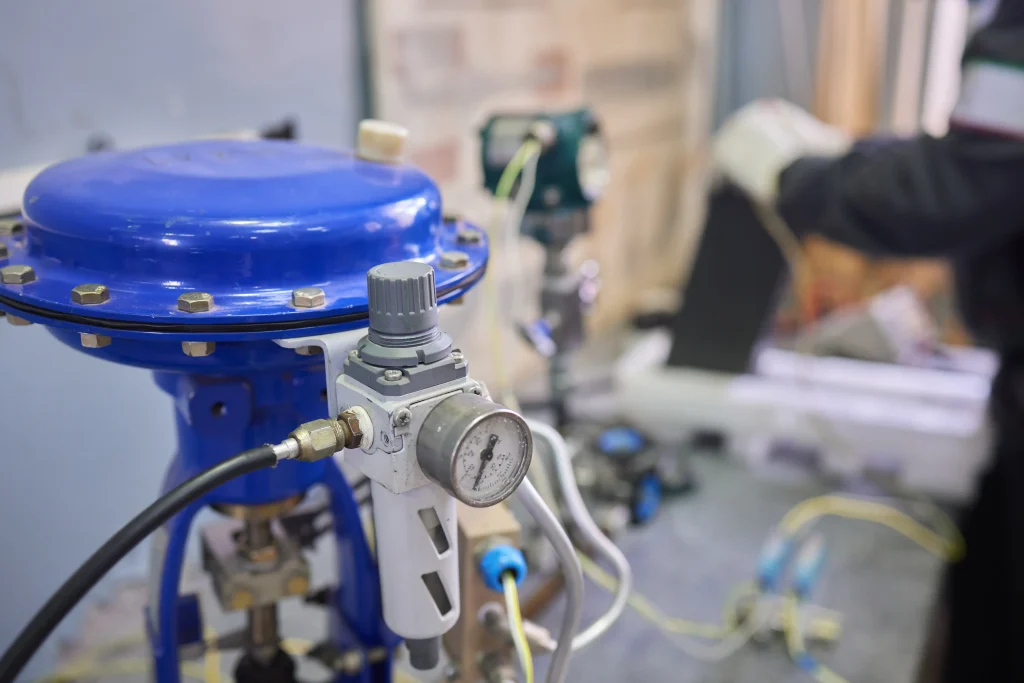
What is so special about BSK Air Driven Diaphragm Pumps?
There are many diaphragm pump brands available — but they are not all created equal. BSK Fluid Technology has emerged as a preferred supplier because of its emphasis on quality and customisation.
Meant to be Durable and Long-Term
BSK pumps are made from long-lasting materials like stainless steel, aluminum, PTFE, and polypropylene. They are wear-proof, corrosion-proof, and abrasion-proof — even for the most demanding uses.
Each pump is constructed to rigorous standards of quality control, so each model will always function well.
Designed to Save Energy and Money
BSK pumps are designed for optimal air consumption. That implies that they consume less compressed air to accomplish the same task — saving energy in the long run.
They also have facilities for:
- Low pulsation running
- Chemical resistance
- High viscosity handling
With capacities and flow rates to match a wide range, facilities can select a model perfectly matched to their application — no overkill, no waste.
Who utilizes Air Driven Diaphragm Pumps?
From food processing to drugs, there are many industries that utilize diaphragm pumps for transferring fluids economically and efficiently.
Real Solutions, Real Industries
Below are just a few examples of where air diaphragm pumps are used on a daily basis:
- Chemical Plants – acids, solvents, and resins
- Food & Beverage – shipping dairy food items, juices, or sauces without shear degradation
- Pharmaceuticals – keeping fluids sterile and controlled
- Mining Operations – pumping slurries and tailings
- Paint and Coatings – moving heavy, thick materials
What is common among them? A need for reliable equipment that will not delay production.
Are They Appropriate for Your Facility?
If your plant is subject to frequent shutdowns because of pump failure, clogging, or neglect, air-driven diaphragm pumps may be the solution. They work especially well in applications involving:
- Severe chemicals
- Systematic washing cycles
- Remote or inaccessible areas
- Intermittent operation
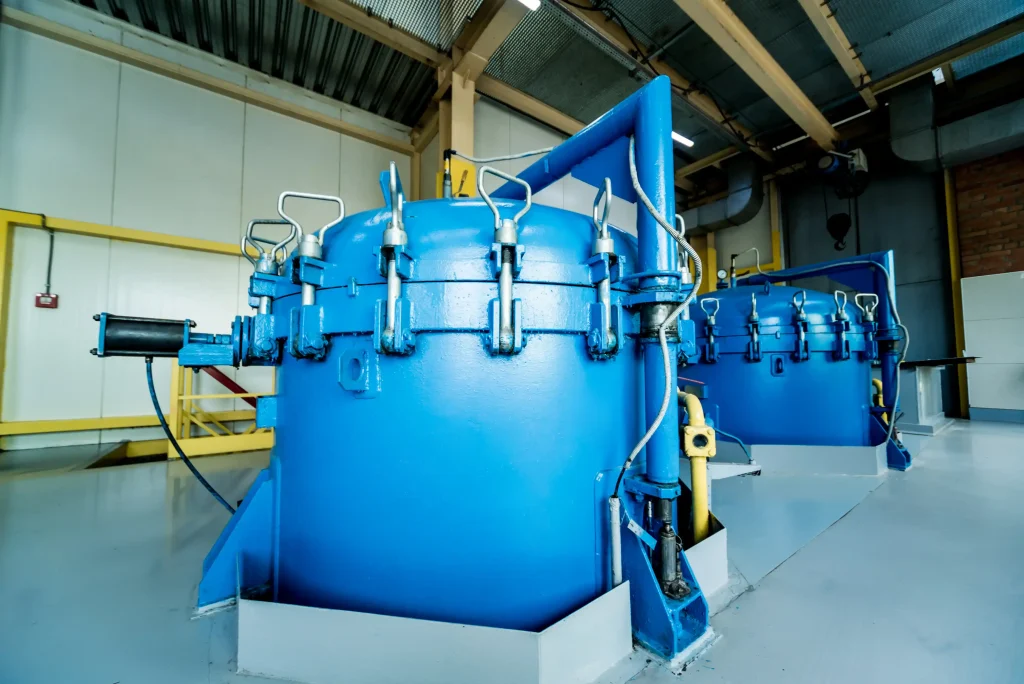
Why BSK Fluid Technology for Air Driven Diaphragm Pumps?
In choosing a pump supplier, there are numerous options for companies. Why then, BSK?
Quality, Price, and Global Reach
BSK offers:
- Direct factory price from its own factory in China
- Tailor-made models for specific fluid applications
- Global shipping with quick lead times
- Full range of technical assistance in English and other languages
Their pumps are already in operation across Asia, Europe, and North America, and are used by a range of customers from small retailers to global factories.
Tailored Pump Solutions and Service
All facilities are not created equal. That is why BSK works with customers to:
- Recommend the right pump for your business
- Tailor content and functionality.
- Provide diagrams and installation guides.
- Offer post-installation support and troubleshooting.
Whether you are adding a new system or building a new manufacturing facility, BSK can help design the appropriate fluid transfer solution for you.
Conclusion
One of the best ways to achieve maximum productivity within any factory plant is to minimize downtime. And in achieving this, choosing the right pump is a very important factor.
Air-operated diaphragm pumps are simple, safe, and highly reliable. They’re built to maintain fluid flow — even when the rest of the equipment does not. And with lower shutdowns, faster maintenance, and tough durability, they’re a wise decision for any plant.
Searching for a reliable diaphragm pump to keep your business functioning smoothly?
BSK Fluid Technology is available and ready. Visit bskfluidpumps.com to explore our full range of products, or contact our staff for more information.
Frequently Asked Questions (FAQs)
Q1: What is an air-driven diaphragm pump?
An air-operated diaphragm pump is a positive-displacement pump operated by compressed air. It is driven by two elastic diaphragms that push the fluids and is most appropriate for corrosive, viscous, and abrasive substances.
Q2: How does it reduce manufacturing downtime?
They have fewer moving parts, can be drained and dried out, and are easy to fix—fewer breakdowns and faster repair.
Q3: Are BSK pumps applicable for chemical or food industries?
Yes. BSK pumps can be fabricated using food-grade and chemical-resistant materials, and hence, they can be utilized in numerous industrial applications.
Q4: Does BSK provide customized pumps for specialty applications?
Yes. BSK can offer tailored solutions to your process needs, fluid type, and operating conditions.
Explore BSK Pneumatic Diaphragm Pumps
Looking for the right AODD pump for your application? BSK Fluid Technology offers a complete range of pneumatic diaphragm pumps in aluminum, stainless steel, cast iron, PP, and PVDF. With 30+ years of manufacturing expertise and patented ceramic air valve technology, we deliver reliable fluid transfer solutions worldwide.
Frequently Asked Questions
How does fluid viscosity affect AODD pump performance?
Higher viscosity reduces flow rate and increases air consumption. 0-500 cP: minimal reduction. 500-2000 cP: 10-20% reduction. 2000-5000 cP: 30-50% reduction (size up one port). 5000-10000 cP: significant reduction, use the largest practical pump. For viscous fluids use short, wide suction pipes.
What suction lift can an AODD pump achieve?
BSK AODD pumps achieve up to 4-5 meters dry lift and 7-9 meters wet lift. Actual lift depends on air pressure, fluid viscosity, suction pipe diameter/length and altitude. For lifts over 4 meters, flooded suction (pump below fluid level) is recommended.
What is the maximum discharge pressure of an AODD pump?
Maximum discharge pressure equals the air supply pressure minus minimal internal losses. Standard BSK pumps reach 6-8 bar; high-pressure models reach up to 15-16 bar via a booster configuration. The pump cycles slower as discharge pressure rises and stalls when discharge equals air supply pressure.
How much compressed air does an AODD pump consume?
Air consumption at 4 bar: 1/2" pump 0.3-0.5 m³/min, 1" pump 0.8-1.2 m³/min, 2" pump 2.5-4.0 m³/min, 3" pump 4.5-7.0 m³/min. The BSK ceramic air valve saves up to 30% air versus conventional metal valves.
Where can I get a quote for the right AODD pump for my application?
BSK Fluid Technology engineers provide a personalized pump selection within 24 hours. Share your fluid properties, flow rate and pressure requirements via the Contact page or WhatsApp +86-134-3105-8937, and we will recommend the optimal model from our aluminum, stainless steel, cast iron, PP and PVDF AODD range.


