

Soap making mixes chemistry and practical needs. From moving caustic lye to thick soap bases, each step requires equipment that handles varying textures and harsh materials. Pneumatic diaphragm pumps work well here, solving common issues for both small artisans and large factories.
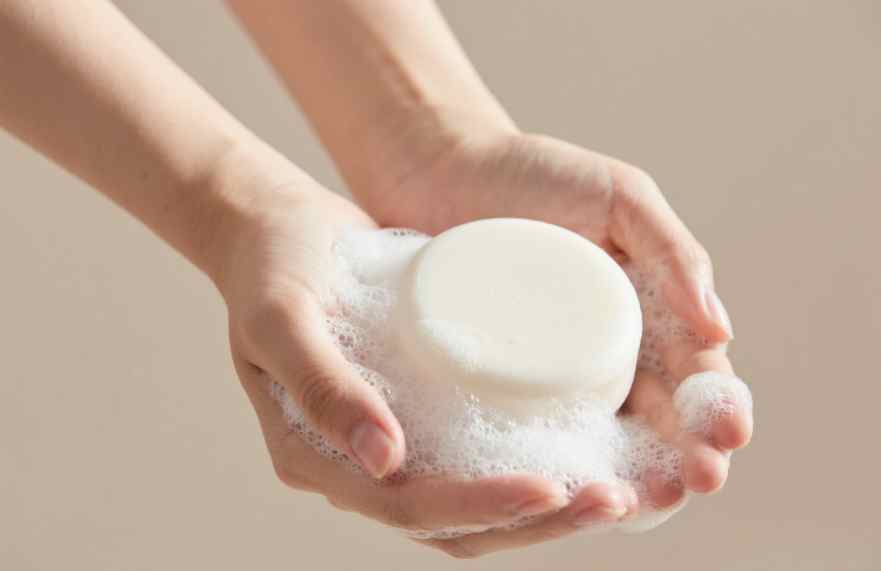
Soap production involves many fluids: watery, alkaline lye (needed for saponification), thick gel-like mixtures, and thin essential oils. Traditional pumps often fail. They may break delicate emulsions, clog with thick soap, or corrode quickly from caustic chemicals. Pneumatic diaphragm pumps adjust easily. Their air pressure can be changed to match the fluid—whether runny fragrances or thick soap. Made with 316 stainless steel and PTFE, they resist lye and acids longer than standard metal pumps. A UK soap maker cut downtime by 50% after switching to these pumps.
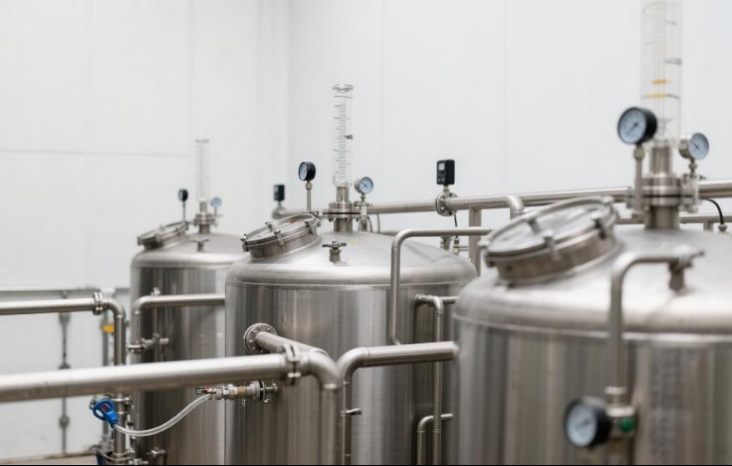
Hygiene matters in soap production, as these products touch skin. Pneumatic diaphragm pumps have smooth, crevice-free surfaces and FDA-approved materials, leaving no spots for bacteria or residue. This makes cleaning easy—important for facilities that switch between scents or formulas. Paired with Clean-in-Place systems, they flush clean in minutes without disassembly. This meets EU and FDA standards and lowers recall risks. A U.S. soap brand used this to stop cross-contamination between antibacterial and fragrance-free lines, reducing recalls by 30%.
These pumps help across production stages. During saponification, they move lye and oils to mixing tanks reliably, even when lines are empty, thanks to self-priming design. When blending fragrances or colorants, their gentle flow preserves emulsions, keeping scents and colors consistent. During packaging, steady, pulse-free output ensures uniform filling for bottles and bar molds, cutting waste.
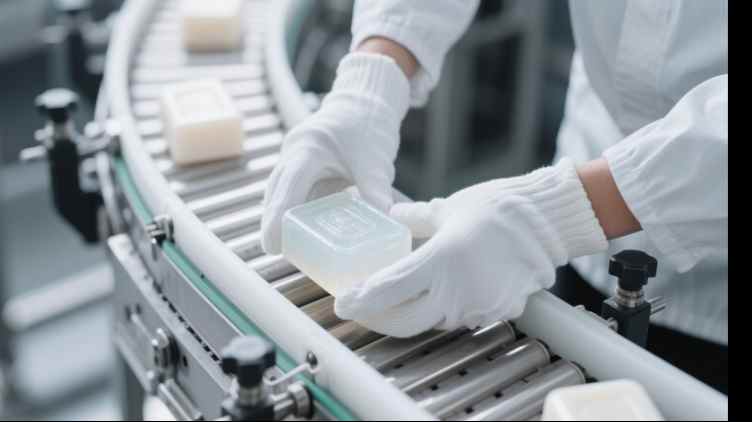
They also aid sustainability and cost control. Pneumatic diaphragm pumps run on compressed air, using less energy than electric models—good for eco-focused brands. Their modular design reduces waste: worn parts like diaphragms can be replaced quickly instead of replacing the whole pump. A German soap maker cut water use by 20% during cleaning and energy costs by 15% after switching.
For soap makers looking to streamline production without losing quality, BSK pneumatic diaphragm pumps work. Whether you’re a small artisan or a large factory, BSK pumps offer reliability, efficiency, and compliance with global standards. If you want to see how they fit your workflow or explore options for your needs, visit our site or contact our team today to find the perfect match.
Explore BSK Pneumatic Diaphragm Pumps
Looking for the right AODD pump for your application? BSK Fluid Technology offers a complete range of pneumatic diaphragm pumps in aluminum, stainless steel, cast iron, PP, and PVDF. With 30+ years of manufacturing expertise and patented ceramic air valve technology, we deliver reliable fluid transfer solutions worldwide.
Frequently Asked Questions
What pump body materials are available?
BSK offers five body materials: Aluminum alloy (general purpose, oils), Stainless steel 316 (corrosive chemicals, food, pharma), Cast iron (low-cost industrial, wastewater), Polypropylene/PP (acids, alkalis, lightweight), and PVDF (strong acids, solvents, high-purity).
When should I choose PTFE vs Santoprene diaphragms?
Choose PTFE for strong acids, aggressive solvents, high-purity or temperatures above 80°C (shorter flex life, higher cost). Choose Santoprene for mildly corrosive/neutral fluids, longer diaphragm life (2-3x vs PTFE), food-grade use and cost efficiency.
Can BSK pumps handle food-grade and sanitary applications?
Yes. BSK sanitary AODD pumps feature a 316L body with electropolished finish (Ra ≤ 0.8 μm), tri-clamp connections for CIP, FDA-compliant diaphragms, and no dead legs for complete drainage. They are used in dairy, beverages, sauces, edible oils and chocolate transfer.
Are BSK pumps suitable for explosive / ATEX environments?
Yes. AODD pumps are powered by compressed air with no electricity, making them inherently safe for ATEX Zone 1/2 (gas) and Zone 21/22 (dust). For ATEX compliance use a conductive grounded metallic body or PTFE diaphragms with conductive additive for plastic bodies, and route the air exhaust to a safe area.
Where can I get a quote for the right AODD pump for my application?
BSK Fluid Technology engineers provide a personalized pump selection within 24 hours. Share your fluid properties, flow rate and pressure requirements via the Contact page or WhatsApp +86-134-3105-8937, and we will recommend the optimal model from our aluminum, stainless steel, cast iron, PP and PVDF AODD range.


