

If you’re an engineer or technician working in industries like chemical processing, water treatment, or mining, chances are you’ve come across an air-operated diaphragm pump before. These pumps might not look as flashy as some high-tech machines, but they are some of the hardest-working tools on any plant floor.
So what makes them so special? Why are they used across so many different applications, and how do you make sure you’re choosing the right one for your system?
In this guide, we’ll break down exactly how an air-operated diaphragm pump works, what makes it different from other pumps, and how to choose the best one for your job. Let’s start with the basics.
What Is an Air Operated Diaphragm Pump and How Does It Work?
At its core, an air-operated diaphragm pump is a type of positive displacement pump. Instead of using electricity, it runs on compressed air. That air powers two flexible diaphragms inside the pump. These diaphragms move back and forth, creating suction and pressure that pull and push liquid through the pump.
This might sound simple, but the motion is carefully controlled through a set of air valves and chambers. The result is a reliable, self-priming pump that can move thick, thin, or even solid-filled liquids with ease.
You might be wondering how all these parts come together to make this possible. Let’s take a closer look at what’s going on inside.
Key Components That Make It All Happen
Diaphragms: These are flexible discs made from rubber or plastic. They move back and forth to push the liquid.
- Air Valve: Directs the air to one diaphragm, then the other, creating the pumping motion.
- Check Valves: Keep the liquid flowing in one direction, preventing backflow.
- Pump Body: Can be made from metal or plastic, depending on the chemicals or fluids being moved.
Each of these parts plays a role in keeping the system running smoothly. When everything works in sync, the pump can transfer fluids without electricity or complicated setups.
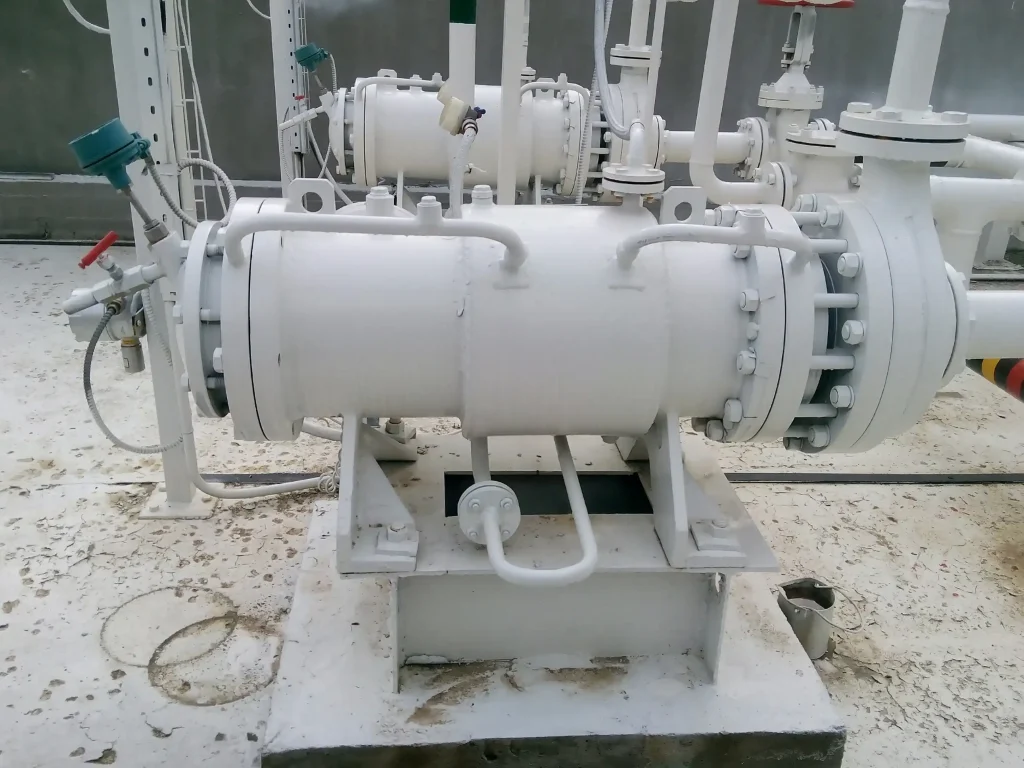
Why Choose an Air Operated Diaphragm Pump Over Other Types?
So now that you know how it works, you might be thinking: why would someone use an air-operated diaphragm pump instead of an electric or centrifugal pump?
The answer comes down to flexibility, safety, and performance.
An air-operated diaphragm pump is one of the few types that can handle nearly any fluid you throw at it — from water to acids to thick sludge. It’s also safe to use in places where electricity might be dangerous, like explosive or wet environments.
Let’s break down some of the benefits.
- Self-Priming, Safe, and Built for Tough Jobs
- Can run dry: No need to worry about damage if the pump runs without fluid.
- Handles solids: Great for slurries or fluids with grit or particles.
- Explosion-proof: Since it runs on air, it’s safe in hazardous areas.
- Low maintenance: Simple design with fewer parts that can fail.
These qualities make it an easy choice for engineers who need something dependable.
Where These Pumps Really Shine
You’ll find air-operated diaphragm pumps in just about every industry. They’re used for:
- Transferring chemicals in manufacturing
- Pumping slurry in mining
- Moving paint, ink, or coatings in factories
- Handling wastewater in treatment plants
- Dosing ingredients in food and beverage production
Each of these tasks has its own challenges, but the air-operated diaphragm pump is flexible enough to handle them all.
Common Applications of an Air Operated Diaphragm Pump
Still wondering where you might see these pumps in action? Let’s take a quick tour through some real-world examples.
In a chemical factory, these pumps are used to move strong acids and corrosive liquids. Because you can choose pump parts that resist chemical damage, they last a long time even in tough conditions.
In food production, these pumps are used for things like sauces, syrups, or even soft solids. Since they don’t have rotating blades, they don’t damage the product.
In mining, an air-operated diaphragm pump is often used to move sludge or wastewater. Its ability to run dry and handle solids makes it perfect for remote, rugged environments.
Across all these industries, one thing is clear: when you need a pump that won’t quit, this is the one to turn to.
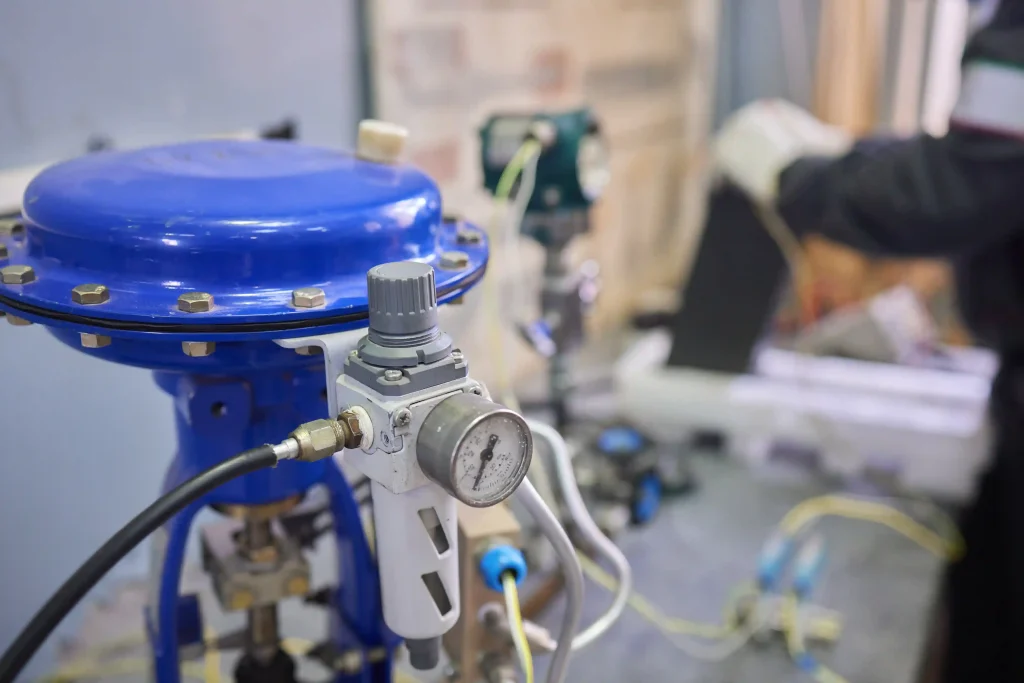
How to Choose the Right Air Operated Diaphragm Pump
Picking the right air-operated diaphragm pump might sound easy at first, but there are a few key factors you’ll want to keep in mind. Choosing the wrong size, material, or setup could lead to leaks, clogs, or pump failure.
Let’s walk through what you need to know.
Matching the Pump to Your Process
- Fluid Type: Are you pumping water, oil, chemicals, or sludge? Make sure the diaphragm and housing materials are compatible.
- Viscosity and Solids: Thick fluids or those with particles will need a pump that can handle them without clogging.
- Flow Rate and Pressure: Know how much fluid you need to move and how fast.
- Temperature Range: Some fluids might be very hot or cold — choose materials that can handle it.
- Environment: Will the pump be exposed to moisture, dust, or hazardous gases? That affects what materials and features you need.
Mistakes to Avoid When Selecting
- Don’t oversize the pump. Bigger isn’t always better and can waste air.
- Don’t ignore chemical compatibility. The wrong materials will wear out fast.
- Don’t skip checking the port size and orientation. It needs to fit your piping system.
- Taking a few extra minutes to get these things right can save you a lot of headaches later.
Why Engineers Trust BSK for Air Operated Diaphragm Pumps
Now that you know what to look for, the next step is finding a supplier you can count on. This is where BSK Fluid stands out.
BSK is a trusted manufacturer of air-operated diaphragm pumps based in China. With years of experience and a focus on quality, they’ve earned the trust of engineers around the world.
What makes BSK different? Let’s break it down.
What Makes BSK Pumps Stand Out
- Wide Range of Materials: BSK offers pumps in stainless steel, polypropylene, PVDF, and more to fit all fluid types.
- Custom Options: Need a special port size, flow rate, or configuration? BSK can customize to your needs.
- Global Reach: Serving industries across the globe with fast shipping and responsive support.
- Certified Quality: With ISO 9001 certification and strict quality control, you know you’re getting a reliable product.
Whether you’re buying one unit or outfitting an entire system, BSK delivers pumps that are built to last and perform under pressure.
Conclusion
Choosing the right air-operated diaphragm pump isn’t just about moving liquid from one place to another. It’s about ensuring safety, reducing downtime, and keeping your operations running smoothly.
These pumps offer a smart solution for complex challenges — whether you’re dealing with harsh chemicals, sensitive fluids, or tough environments. By understanding how they work and what to look for, you’re already one step ahead.
Want help picking the right pump for your process?
We’re here to help. Reach out to the team at BSK Fluid to discuss your needs, get expert advice, or request a quote. We’d love to hear about your project and help you find the perfect solution.
FAQs
1. What is an air-operated diaphragm pump?
An air-operated diaphragm pump is a type of positive-displacement pump that uses compressed air to move fluids through flexible diaphragms.
2. How does an air-operated diaphragm pump work?
It uses air pressure to move two diaphragms back and forth, creating suction and pressure to transfer liquids.
3. What types of fluids can it handle?
These pumps can handle water, oil, chemicals, slurries, and even thick or abrasive liquids.
4. Can an air-operated diaphragm pump run dry?
Yes, most models can run dry without damage, which makes them ideal for unpredictable flow conditions.
5. Are they safe for hazardous environments?
Absolutely. Since they use air instead of electricity, they are safe to use in explosive or flammable areas.
6. What industries use these pumps?
They are common in chemical processing, mining, food and beverage, pharmaceuticals, and water treatment.
7. How do I choose the right pump size?
Consider your required flow rate, fluid type, viscosity, and pressure needs when selecting.
8. What materials are available?
Pump bodies and diaphragms come in materials like stainless steel, polypropylene, and PTFE.
9. Are they easy to maintain?
Yes, their simple design makes them easy to service and repair.
10. Where can I get reliable air-operated diaphragm pumps?
BSK Fluid offers high-quality, customizable diaphragm pumps for industrial use worldwide.
Explore BSK Pneumatic Diaphragm Pumps
Looking for the right AODD pump for your application? BSK Fluid Technology offers a complete range of pneumatic diaphragm pumps in aluminum, stainless steel, cast iron, PP, and PVDF. With 30+ years of manufacturing expertise and patented ceramic air valve technology, we deliver reliable fluid transfer solutions worldwide.
Frequently Asked Questions
Why is my diaphragm pump losing pressure or flow?
Common causes: worn valve balls/seats (replace valve kit), blocked suction strainer (clean), insufficient air supply (check compressor), worn diaphragms (replace set), sticking air valve (clean/replace), or blocked muffler. Confirm discharge pressure has not risen to equal air supply pressure.
How long do AODD pump diaphragms last?
Diaphragm life: Santoprene 3-20 million cycles, PTFE 2-12 million, Viton 3-15 million (depending on duty). Life is reduced by high pressure, high temperature, abrasive particles, cavitation and rapid cycling. Replace diaphragms in pairs and keep spare kits on hand.
How does fluid viscosity affect AODD pump performance?
Higher viscosity reduces flow rate and increases air consumption. 0-500 cP: minimal reduction. 500-2000 cP: 10-20% reduction. 2000-5000 cP: 30-50% reduction (size up one port). 5000-10000 cP: significant reduction, use the largest practical pump. For viscous fluids use short, wide suction pipes.
What suction lift can an AODD pump achieve?
BSK AODD pumps achieve up to 4-5 meters dry lift and 7-9 meters wet lift. Actual lift depends on air pressure, fluid viscosity, suction pipe diameter/length and altitude. For lifts over 4 meters, flooded suction (pump below fluid level) is recommended.
Where can I get a quote for the right AODD pump for my application?
BSK Fluid Technology engineers provide a personalized pump selection within 24 hours. Share your fluid properties, flow rate and pressure requirements via the Contact page or WhatsApp +86-134-3105-8937, and we will recommend the optimal model from our aluminum, stainless steel, cast iron, PP and PVDF AODD range.


