
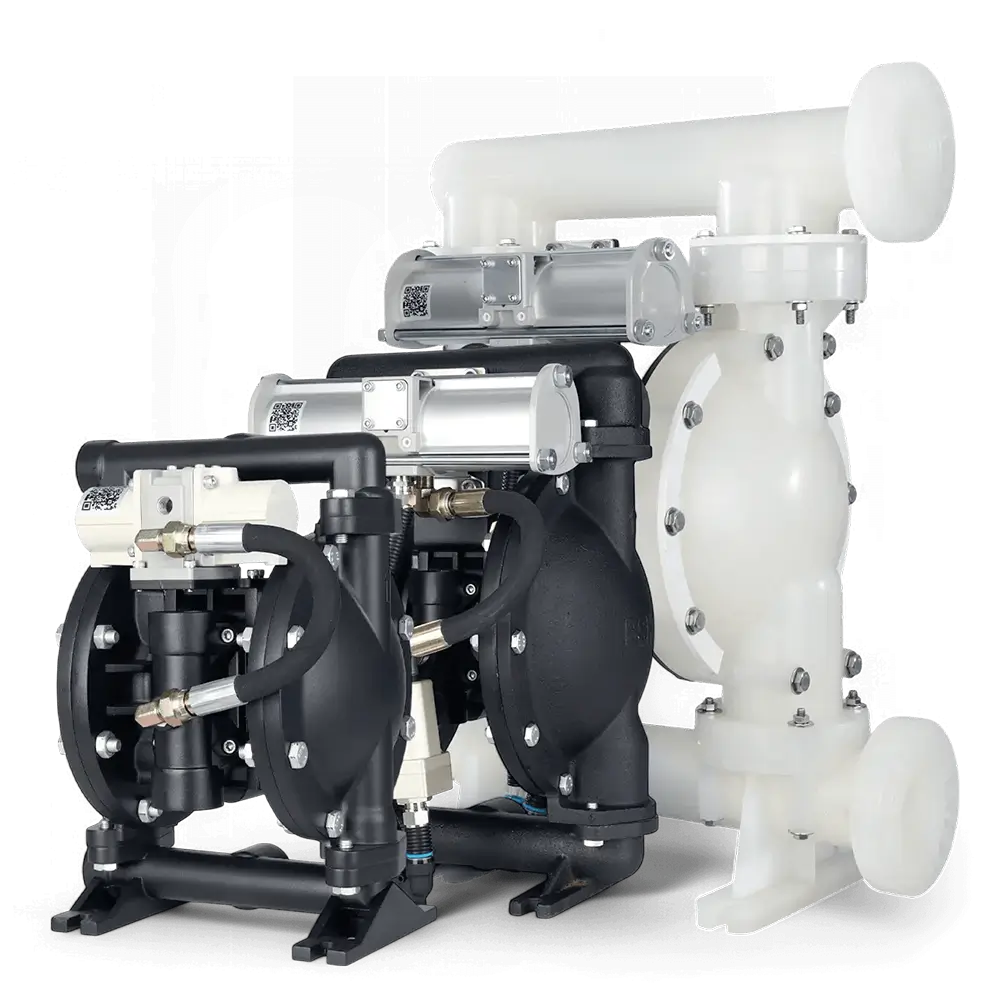
In today’s rapidly evolving industrial environment, high pressure pneumatic diaphragm pumps are an indispensable element in a wide range of applications—anything from chemical processing to oil & gas production and heavy manufacturing. These highly versatile systems are designed to develop and manage high – fluid pressures with precision, enabling efficient fuel injection in some cases, providing high hydraulic motion, and ensuring the smooth transfer of chemicals.
Particularly in corrosive fluid environments, pneumatic diaphragm booster pumps shine. Their unique design allows them to handle such challenging substances without significant wear and tear, ensuring long – term reliability. Understanding how these pumps operate is the key to achieving maximum efficiency and reliability. Whether it’s for maintaining the smooth operation of a chemical processing line or for supporting critical operations in the oil & gas industry, pneumatic diaphragm booster pumps play a crucial role in various industrial processes.
As a Chinese manufacturer, we at BSK Fluid Technology take pride in delivering competitive pricing, tailor-made pump solutions, and patented products with global quality standards. We possess robust OEM, ODM, and OBM service models that serve clients from multiple industries with custom-made solutions catering to specific project demands. Our engineering team unites deep R&D skills with mass-produce capabilities to ensure each high pressure pump supplied by us is made to last, perform, and innovate.
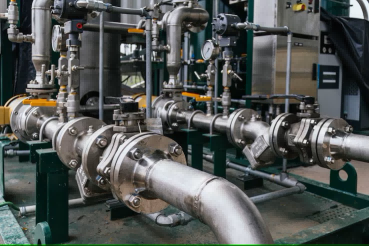
What are High Pressure Pumps?
As industries continue to evolve, the significance of high pressure pneumatic diaphragm pumps becomes ever more pronounced. In a wide range of industrial processes, from chemical processing to environmental protection and food – pharmaceutical production, high – pressure pneumatic diaphragm pumps play a crucial role. These pumps are designed to handle various fluids with precision. They are capable of generating the necessary pressure to ensure smooth and efficient fluid transfer, which is essential for maintaining optimal process performance. Understanding the structure and operation of pneumatic diaphragm pumps helps us realize why they are indispensable in multiple industrial applications. Their unique design allows for reliable operation even in harsh environments, making them a preferred choice for many industries.
Purpose and Industrial Significance
The high pressure pneumatic diaphragm pump is designed to provide air pressure from the source to the application two times greater than that provided by standard pumps. The high pressure feed is necessary for various industrial processes, which need precise control and fluid distribution for efficient operation.With increasingly complex industrial systems and machinery, high – pressure pneumatic pumps are critical in ensuring optimal process performance and resource management. These pumps enable accurate and reliable delivery of fluids, whether in chemical processing, food production, or environmental protection, meeting the demands of modern industries for high – head and efficient operation.
High Pressure Fuel Pump vs. Standard Pump
One of the main differences between high pressure pneumatic diaphragm pumps and standard pneumatic diaphragm pumps lies in the output pressure. A standard pneumatic diaphragm pump usually operates within a relatively lower pressure range, which is sufficient for common fluid – transfer tasks like general liquid transportation in some simple production lines.In contrast, high – pressure pneumatic diaphragm pumps can generate pressures that are many times higher. They are designed for applications that demand intense fluid pressure, like when pumping highly viscous fluids through long pipelines, transferring slurries laden with solids over large distances, or pushing fluids through intricate and constricted piping systems.
What Makes High Pressure Pumps Fail?
Failure of high – pressure pneumatic diaphragm pumps can lead to major disruptions in industrial processes and incur substantial repair expenses. Understanding the underlying causes of failure is crucial for formulating effective preventive maintenance strategies. A variety of factors, ranging from the nature of the conveyed fluid to component wear and tear, can contribute to the failure or malfunction of these pumps.
Fluid – related issues
High – viscosity fluids: When handling highly viscous substances, the pump has to work under greater load. Over time, this can cause excessive stress on components like the diaphragm and valves, leading to premature wear and tear. For example, pumping thick molasses or heavy lubricating oils can strain the pump.
Contaminated fluids: Fluids containing particles, debris, or corrosive substances can damage internal parts. Solid particles can scratch the diaphragm, causing leaks, while corrosive chemicals may erode metal components, such as the pump housing and valves.
Inconsistent air pressure
Fluctuations in the compressed air supply pressure can affect the pump’s performance. If the air pressure is too low, the pump may not generate sufficient pressure to move the fluid. On the other hand, overly high air pressure can cause excessive stress on the pump components, accelerating wear.
Improper installation and operation
Incorrect piping: Incorrectly sized or poorly installed pipes can create excessive resistance to fluid flow. If the pipes are too narrow or have too many bends, it can put additional strain on the pump. Similarly, improper alignment of the pump with the piping system can lead to vibration and mechanical stress.
Overloading: Running the pump continuously at pressures or flow rates beyond its rated capacity can cause overheating and component failure. For example, using a pump designed for a certain pressure range to handle much higher pressures will quickly degrade its performance and lifespan.
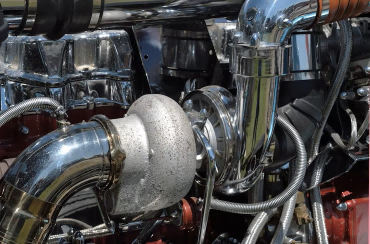
How to Test High Pressure Pumps
Periodic inspection of high pressure pumps is critical to identifying issues before they turn into major problems. By employing both manual and electronic diagnostic methods, technicians can determine if a pump is operating within optimal parameters. This preventative approach enhances pump performance and reliability.
Air Pressure Test with a Gauge
With an air pressure gauge, technicians are able to check the pressure that is actually being supplied by the pneumatic pump. This is done by attaching the gauge to the air supply line and comparing it against the manufacturer’s guideline. Deviation from the standard pressure levels can show signs of worn parts, air restriction, internal damage to the pump, or the absence or damage of internal seals in the product.
Performing a Flow Rate Test
In addition to pressure, the assessment of the flow rate is also crucial for a high pressure pump. This test is carried out to determine the volume of fluid supplied by the pump within a specific period of time, ensuring that the pump can meet the actual requirements of the system it serves.A low flow rate, even if the pressure meets the specified standards, can cause a series of problems. For instance, in a printing or packaging system where the pump is used to transfer inks or adhesives, insufficient flow rate may lead to uneven coating, poor printing quality, or incomplete bonding. In a wastewater treatment process, it could result in ineffective treatment due to an inadequate supply of chemicals or a slow movement of wastewater through the system. Overall, it will significantly affect the normal operation and performance of the entire process.
Visual Inspection and Pre-Check
The first step in checking a high – pressure pneumatic diaphragm pump is a visual inspection. Look for signs of damage on the outside, like leaks, corrosion, or cracked hoses. Check the air intake for blockages and make sure all connections are tight. Also, ensure there’s no debris in the fluid – handling components. This pre – check can identify issues that are simple to repair early on.
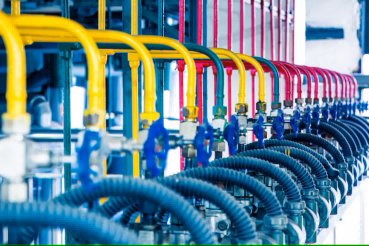
High Pressure Pumps in Chemical and Industrial Applications
High pressure pumps are a critical component in chemical and industrial processes. Ranging from handling hazardous fluids to supporting high-flow applications, the pumps offer unprecedented versatility. Having the correct pump for an application offers safety, efficiency, and reliability in the long run.
High Pressure Diaphragm Pump: Ideal for Aggressive Fluids
The high pressure diaphragm pump stands out due to its leak-free construction and ability to handle a wide range of aggressive fluids. Its design isolates the pumping mechanism from the fluid, preventing contamination and prolonging pump life. This makes it suitable for the processing of acids, slurries, and other corrosive materials in chemical and wastewater treatment plants.
Materials That Match the Media
Material selection plays an important role while choosing the right high pressure diaphragm pump. Polypropylene, PVDF, stainless steel, aluminum alloy, cast iron, and carbon steel all offer advantages. PVDF is particularly good in chemical resistance, and stainless steel is appropriate for sanitary purposes. Choosing the material compatible with the fluid gives compatibility as well as long-term reliability.
Applications Across Various Industries
High pressure pumps find application in almost all industrial uses. In the oil and gas industry, fluid injection and well stimulation are aided by them. In food and beverage, they aid in product transfer and sanitation. In agriculture, they aid in pesticide spraying and irrigation. Their flexibility of application and durability make them the norm in most applications.
BSK Fluid Technology: High Pressure Pumps Engineered for Power, Control, and Reliability
When it comes to high-performance fluid systems, BSK Fluid Technology’s High Pressure Pumps stand out as a benchmark of excellence, precision, and durability. Designed with decades of technical know-how and a relentless pursuit of innovation, BSK’s high pressure solutions meet the stringent demands of modern industries—where power, pressure stability, and system reliability are non-negotiable. Whether you need a high pressure diaphragm pump for chemical resistance or a high pressure fuel pump for automotive systems, BSK offers engineered solutions built for uncompromising environments.
BSK’s High Pressure Pumps are trusted across critical sectors, including energy, automotive, process manufacturing, and industrial engineering, where fluid control at elevated pressures is essential. These pumps are crafted not only for performance but also for long-term operational stability, low maintenance needs, and reduced system downtime. With advanced design features, customizable configurations, and a selection of rugged materials, BSK ensures that every high pressure pump delivers consistent, safe, and efficient operation—even in the most demanding use cases.
Conclusion
In short, high pressure pumps are essential components in many industries. They generate the thrust required to move fluids economically, whether in engine fuel systems, industrial applications, or chemical processing. With the knowledge of differences in pump types, materials, and functions, companies are able to make practical decisions that increase efficiency, reduce downtime, and ensure long-term reliability.
Whichever you need, a pump for high – head or high – viscosity material transfer, choosing the right solution depending on fluid type, application, and required pressure is critical. For solid, high-performance solutions, we recommend checking BSK Fluid Technology’s product page at BSK(Guangdong) Fluid Technology Co., Ltd. for a comprehensive list of industrial-quality high pressure pumps made to suit your applications.
Explore BSK Pneumatic Diaphragm Pumps
Looking for the right AODD pump for your application? BSK Fluid Technology offers a complete range of pneumatic diaphragm pumps in aluminum, stainless steel, cast iron, PP, and PVDF. With 30+ years of manufacturing expertise and patented ceramic air valve technology, we deliver reliable fluid transfer solutions worldwide.
Frequently Asked Questions
What is the maximum discharge pressure of an AODD pump?
Maximum discharge pressure equals the air supply pressure minus minimal internal losses. Standard BSK pumps reach 6-8 bar; high-pressure models reach up to 15-16 bar via a booster configuration. The pump cycles slower as discharge pressure rises and stalls when discharge equals air supply pressure.
How much compressed air does an AODD pump consume?
Air consumption at 4 bar: 1/2" pump 0.3-0.5 m³/min, 1" pump 0.8-1.2 m³/min, 2" pump 2.5-4.0 m³/min, 3" pump 4.5-7.0 m³/min. The BSK ceramic air valve saves up to 30% air versus conventional metal valves.
Why is my diaphragm pump losing pressure or flow?
Common causes: worn valve balls/seats (replace valve kit), blocked suction strainer (clean), insufficient air supply (check compressor), worn diaphragms (replace set), sticking air valve (clean/replace), or blocked muffler. Confirm discharge pressure has not risen to equal air supply pressure.
How long do AODD pump diaphragms last?
Diaphragm life: Santoprene 3-20 million cycles, PTFE 2-12 million, Viton 3-15 million (depending on duty). Life is reduced by high pressure, high temperature, abrasive particles, cavitation and rapid cycling. Replace diaphragms in pairs and keep spare kits on hand.
Where can I get a quote for the right AODD pump for my application?
BSK Fluid Technology engineers provide a personalized pump selection within 24 hours. Share your fluid properties, flow rate and pressure requirements via the Contact page or WhatsApp +86-134-3105-8937, and we will recommend the optimal model from our aluminum, stainless steel, cast iron, PP and PVDF AODD range.


