
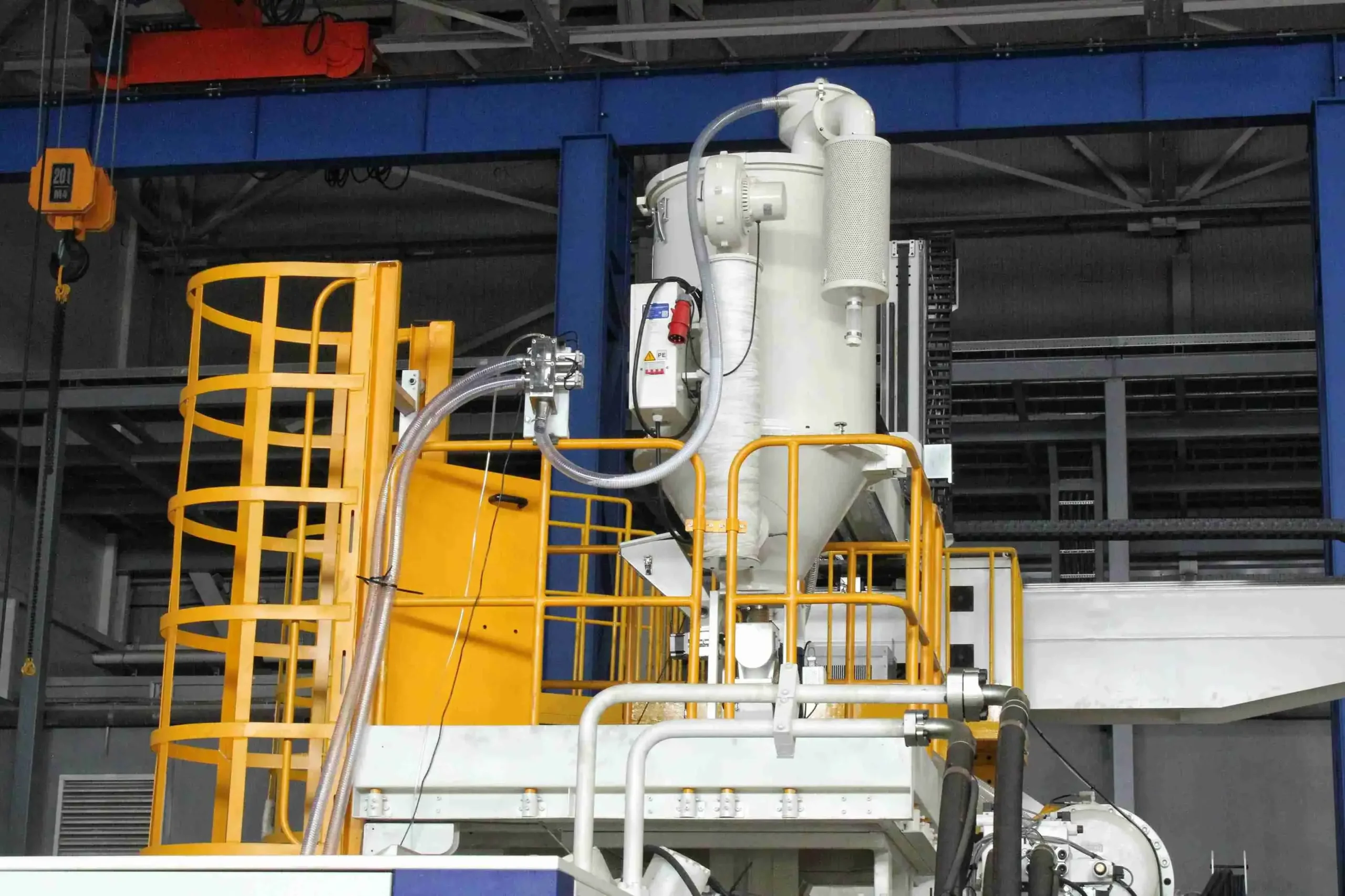
If you work in an industry where powders play a big role, you already know that moving them around is not as simple as it sounds. Flour in a bakery, cement on a construction site, or chemicals in a factory all need to be handled with care. The wrong equipment can slow down production, create safety hazards, or even ruin the product. That is why many businesses rely on a powder pump.
A powder pump is not just another piece of equipment. It is what keeps your operation clean, efficient, and safe. But here is the catch: not every pump is built to handle demanding conditions. Standard pumps might do the job at first, but they often reach their limits quickly. high-performance powder pumps, on the other hand, are built to take on tougher challenges.
So, what exactly makes a high-performance powder pump different from a standard pump? Let’s walk through the differences step by step.
What is a Powder Pump and Why Does it Matter
Think of a powder pump as the bridge between storage and production. Its job is to move powders or granular materials from one place to another, safely and consistently. Without it, companies would have to rely on manual handling, which is messy, risky, and inefficient.
Powder pumps are everywhere. Food companies use them to transfer sugar, cocoa, or flour without contamination. Pharmaceutical plants rely on them to handle delicate chemical ingredients. And in construction, they keep materials like cement and lime flowing to where they are needed.
Now imagine trying to run any of these industries without a powder pump. Production slows down, waste piles up, and safety risks increase. This is why choosing the right pump is such a big deal. But to really understand the value of a high-performance model, we first need to see why standard pumps often fall short.
The Limits of a Standard Powder Pump
At first, a standard pump seems like an easy win. It is affordable and can handle basic tasks. But as production scales up or materials become more challenging, cracks begin to show. One of the biggest headaches is clogging. Standard pumps often cannot cope with sticky or ultra-fine powders, which causes blockages and frustrating downtime.
How Wear and Tear Affects Performance Over Time
Another drawback is wear and tear. Abrasive powders like cement or chemical compounds quickly eat away at seals and valves. Repairs become a regular expense, and eventually the pump spends more time in maintenance than in operation.
Why Standard Powder Pumps Struggle in Large Scale Operations
Even when they are running, standard powder pumps may not deliver the steady flow industries need. Instead of a smooth transfer, the material may come through in bursts or clumps. In industries where consistency is everything, that is a serious problem. And when the workload demands higher pressure or larger volumes, standard pumps simply cannot keep pace.
This is where businesses start asking an important question: if standard pumps are holding us back, what is the smarter alternative? The answer is a high-performance powder pump.

What Makes a high-performance Powder Pump Different
high-performance powder pumps are designed to overcome the very issues that limit standard pumps. The difference starts with smarter engineering. Internal flow paths are built to reduce buildup and clogs, so materials move freely. Stronger sealing systems mean fewer leaks, which is especially important in industries that need high levels of hygiene.
Materials also play a big role. Instead of wearing out quickly, high-performance pumps use stainless steel, wear-resistant alloys, or food-grade coatings. This gives them the strength to handle abrasive powders and the durability to last much longer.
Another advantage is compatibility with automation. Many high-performance powder pumps connect seamlessly with modern controls and sensors, allowing companies to fine-tune operations and ensure precision.
In other words, a high-performance pump does more than just move powders. It helps run smarter, safer, and more reliable production systems.
Features to Look For in a high-performance Powder Pump
When deciding which pump to invest in, pay attention to these features:
- Durability: Built with high-grade metals and coatings, these pumps resist wear and keep working for years.
- Flow efficiency: A smooth, pulse-free transfer saves time and energy.
- Safety and hygiene: Food-grade finishes, explosion-proof designs, and easy cleaning options protect both workers and products.
- Automation readiness: high-performance pumps can connect with modern systems for precise control and monitoring.
When these features come together, a pump is no longer just a piece of equipment. It becomes a reliable partner in keeping production moving.
Benefits of Using a high-performance Powder Pump
One of the clearest benefits of a high-performance powder pump is efficiency. Because it uses energy more effectively, the same job gets done faster while using less power. That means lower bills and higher productivity.
Reduced Downtime and Lower Maintenance Costs
Durability also pays off in fewer breakdowns. Stronger seals and smarter designs keep the pump running longer between maintenance stops. Less downtime means operations stay on schedule and unexpected repair bills go down.
Consistent Quality and Reliable Powder Transfer
When every batch matters, consistency is key. high-performance powder pumps deliver powders at a steady rate, which improves quality control. This is especially valuable in industries like food and pharmaceuticals where precision is everything.
Safer Work Environments with a high-performance Powder Pump
high-performance models also improve safety. They contain dust, prevent leaks, and create a cleaner workplace. That means less risk for employees and less damage to surrounding equipment.
Put together, these benefits mean companies save money, produce better products, and keep workers safer. Even if the initial investment is higher, the long-term payoff makes it the smarter choice.

How to Choose the Right Powder Pump for Your Needs
So, how do you pick the pump that is right for your operation? It starts with understanding your material. Sticky powders like starch behave differently than abrasive powders like cement. The pump has to match the material.
Next, think about scale. A small facility might only need a compact pump, while a large industrial site benefits from a heavy-duty high-performance model.
The work environment also matters. Food and pharmaceutical facilities need hygienic, easy-to-clean pumps. Factories handling flammable materials need explosion-proof designs.
And finally, look beyond the price tag. A standard pump might seem cheaper today, but over time the repairs and lost production cost far more. A high-performance powder pump is an investment that pays itself back in reliability and efficiency.
Of course, the choice is easier when you have a trusted partner. At BSK FLUID TECHNOLOGY, we provide expertise, custom solutions, and ongoing support to make sure businesses get exactly the pump they need.
Conclusion
Moving powders may sound simple, but in reality it is one of the most important steps in many industries. Standard pumps can work for a while, but as demands increase, their limits quickly appear.
high-performance powder pumps are built to do more. With smarter designs, stronger materials, and compatibility with modern systems, they deliver efficiency, consistency, and safety that standard models cannot match.
If your business is ready to cut downtime, improve product quality, and get more value from your equipment, now is the time to explore a high-performance powder pump.
At BSK FLUID TECHNOLOGY, we know every operation is different. That is why we work closely with our clients to recommend the right solution. If you would like to see how the right pump can improve your process, contact our team today. We are here to help you find the powder pump that keeps your business running at its best.
Frequently Asked Questions
1. What is a powder pump?
It is a machine that transfers powders or granular materials safely and efficiently.
2. What industries use powder pumps?
They are common in food, pharmaceuticals, chemicals, and construction.
3. How is a high-performance powder pump different?
It is stronger, lasts longer, and delivers smoother, more consistent flow.
4. Do powder pumps reduce downtime?
Yes, high-performance models are designed to need fewer repairs.
5. How do I choose the right powder pump?
Match the pump to your material, production scale, and safety needs.
Explore BSK Pneumatic Diaphragm Pumps
Looking for the right AODD pump for your application? BSK Fluid Technology offers a complete range of pneumatic diaphragm pumps in aluminum, stainless steel, cast iron, PP, and PVDF. With 30+ years of manufacturing expertise and patented ceramic air valve technology, we deliver reliable fluid transfer solutions worldwide.
Frequently Asked Questions
How long do AODD pump diaphragms last?
Diaphragm life: Santoprene 3-20 million cycles, PTFE 2-12 million, Viton 3-15 million (depending on duty). Life is reduced by high pressure, high temperature, abrasive particles, cavitation and rapid cycling. Replace diaphragms in pairs and keep spare kits on hand.
How does fluid viscosity affect AODD pump performance?
Higher viscosity reduces flow rate and increases air consumption. 0-500 cP: minimal reduction. 500-2000 cP: 10-20% reduction. 2000-5000 cP: 30-50% reduction (size up one port). 5000-10000 cP: significant reduction, use the largest practical pump. For viscous fluids use short, wide suction pipes.
What suction lift can an AODD pump achieve?
BSK AODD pumps achieve up to 4-5 meters dry lift and 7-9 meters wet lift. Actual lift depends on air pressure, fluid viscosity, suction pipe diameter/length and altitude. For lifts over 4 meters, flooded suction (pump below fluid level) is recommended.
What is the maximum discharge pressure of an AODD pump?
Maximum discharge pressure equals the air supply pressure minus minimal internal losses. Standard BSK pumps reach 6-8 bar; high-pressure models reach up to 15-16 bar via a booster configuration. The pump cycles slower as discharge pressure rises and stalls when discharge equals air supply pressure.
Where can I get a quote for the right AODD pump for my application?
BSK Fluid Technology engineers provide a personalized pump selection within 24 hours. Share your fluid properties, flow rate and pressure requirements via the Contact page or WhatsApp +86-134-3105-8937, and we will recommend the optimal model from our aluminum, stainless steel, cast iron, PP and PVDF AODD range.


