——How Pneumatic Diaphragm Pumps Solve Leather Processing Wastewater Challenges
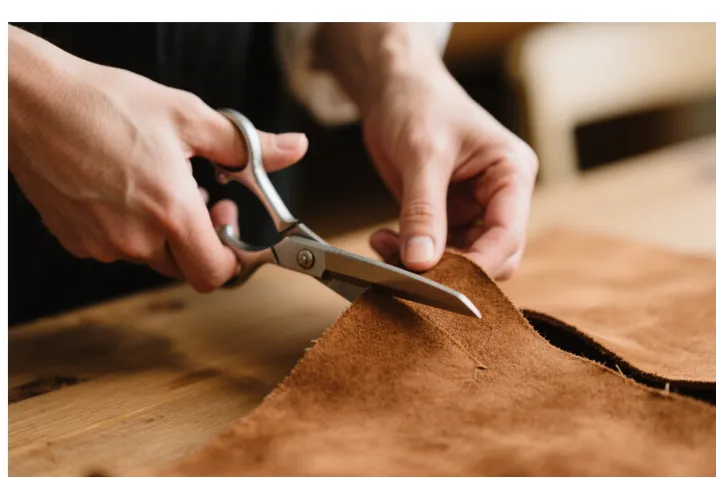
Leather processing is a complex craft, blending tradition with modern techniques to transform raw hides into durable, high-quality materials. But behind the scenes, this industry faces a significant challenge: managing wastewater that’s as tough as the products it creates. From tanning chemicals to fats and fibrous residues, leather wastewater demands specialized handling—and that’s where pneumatic diaphragm pumps shine.
The Unique Hurdles of Leather Wastewater
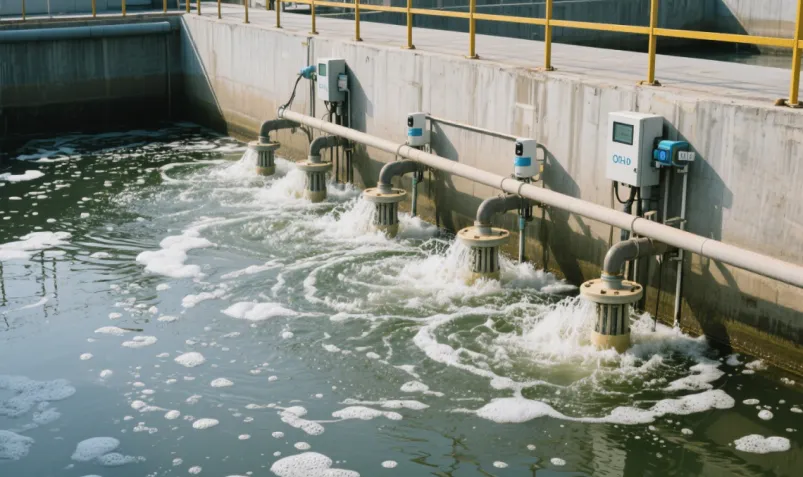
Leather production generates wastewater with a tricky mix of components. Tanning processes introduce harsh chemicals like chromium salts and acids, while fleshing and dehairing stages leave behind fats, proteins, and small hide fragments. This combination creates a fluid that’s corrosive, prone to clogging, and difficult to pump consistently with standard equipment.
Traditional pumps often struggle here. Centrifugal models can get bogged down by fibrous residues, leading to frequent clogs and unplanned downtime. Metal pumps, meanwhile, suffer from corrosion when exposed to tanning chemicals over time, requiring costly replacements. And with strict environmental regulations governing pollutant discharge, inconsistent flow or chemical handling can put facilities at risk of non-compliance.
Why Pneumatic Diaphragm Pumps Make a Difference
Pneumatic diaphragm pumps are engineered to tackle these specific challenges. Their positive displacement design uses flexible diaphragms to move fluid, avoiding the impellers that make other pumps susceptible to clogs. This means they handle fibrous residues and small solids without skipping a beat, keeping wastewater flows steady even in the messiest stages of processing.
When it comes to chemicals, these pumps are built to resist corrosion. Their construction uses materials that stand up to acids, salts, and other harsh compounds common in tanning, reducing wear and extending equipment life. This durability translates to fewer replacements and less maintenance—keeping operations running smoothly.
Hygiene and compliance get a boost too. Diaphragm pumps feature smooth, crevice-free interiors that prevent residue buildup, making them easier to clean and maintain. This helps facilities meet strict environmental standards for wastewater discharge, avoiding fines and keeping production on track.
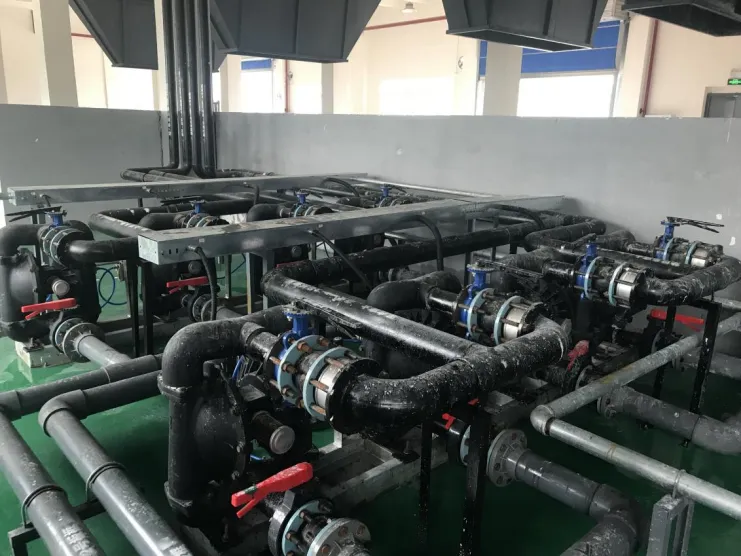
BSK Pneumatic Diaphragm Pumps: Built for Leather’s Needs
In leather processing, where reliability and resilience matter most, BSK Pneumatic Diaphragm Pumps are designed to fit the bill. Whether handling chemical-heavy tanning wastewater or fibrous residues from hide preparation, our pumps deliver consistent performance that keeps your treatment systems running efficiently.
With BSK, you get equipment that adapts to the unique demands of leather production—resisting corrosion, avoiding clogs, and simplifying maintenance. It’s not just about pumping wastewater; it’s about keeping your entire operation compliant, cost-effective, and focused on what you do best: crafting quality leather.
Ready to tackle your leather processing wastewater challenges? Contact the BSK team today to find the right pump solution for your facility.
Explore BSK Pneumatic Diaphragm Pumps
Looking for the right AODD pump for your application? BSK Fluid Technology offers a complete range of pneumatic diaphragm pumps in aluminum, stainless steel, cast iron, PP, and PVDF. With 30+ years of manufacturing expertise and patented ceramic air valve technology, we deliver reliable fluid transfer solutions worldwide.
Frequently Asked Questions
What industries use AODD pumps?
AODD pumps are used in chemical processing, food & beverage (dairy, wine, CIP), painting & coating, ceramics & mining (slurries, glazes), pharmaceuticals, oil & gas, water treatment, electronics, automotive, and pulp & paper. Their ability to handle abrasives, solvents and shear-sensitive fluids makes them ideal across these sectors.
What pump body materials are available?
BSK offers five body materials: Aluminum alloy (general purpose, oils), Stainless steel 316 (corrosive chemicals, food, pharma), Cast iron (low-cost industrial, wastewater), Polypropylene/PP (acids, alkalis, lightweight), and PVDF (strong acids, solvents, high-purity).
When should I choose PTFE vs Santoprene diaphragms?
Choose PTFE for strong acids, aggressive solvents, high-purity or temperatures above 80°C (shorter flex life, higher cost). Choose Santoprene for mildly corrosive/neutral fluids, longer diaphragm life (2-3x vs PTFE), food-grade use and cost efficiency.
Can BSK pumps handle food-grade and sanitary applications?
Yes. BSK sanitary AODD pumps feature a 316L body with electropolished finish (Ra ≤ 0.8 μm), tri-clamp connections for CIP, FDA-compliant diaphragms, and no dead legs for complete drainage. They are used in dairy, beverages, sauces, edible oils and chocolate transfer.
Where can I get a quote for the right AODD pump for my application?
BSK Fluid Technology engineers provide a personalized pump selection within 24 hours. Share your fluid properties, flow rate and pressure requirements via the Contact page or WhatsApp +86-134-3105-8937, and we will recommend the optimal model from our aluminum, stainless steel, cast iron, PP and PVDF AODD range.