
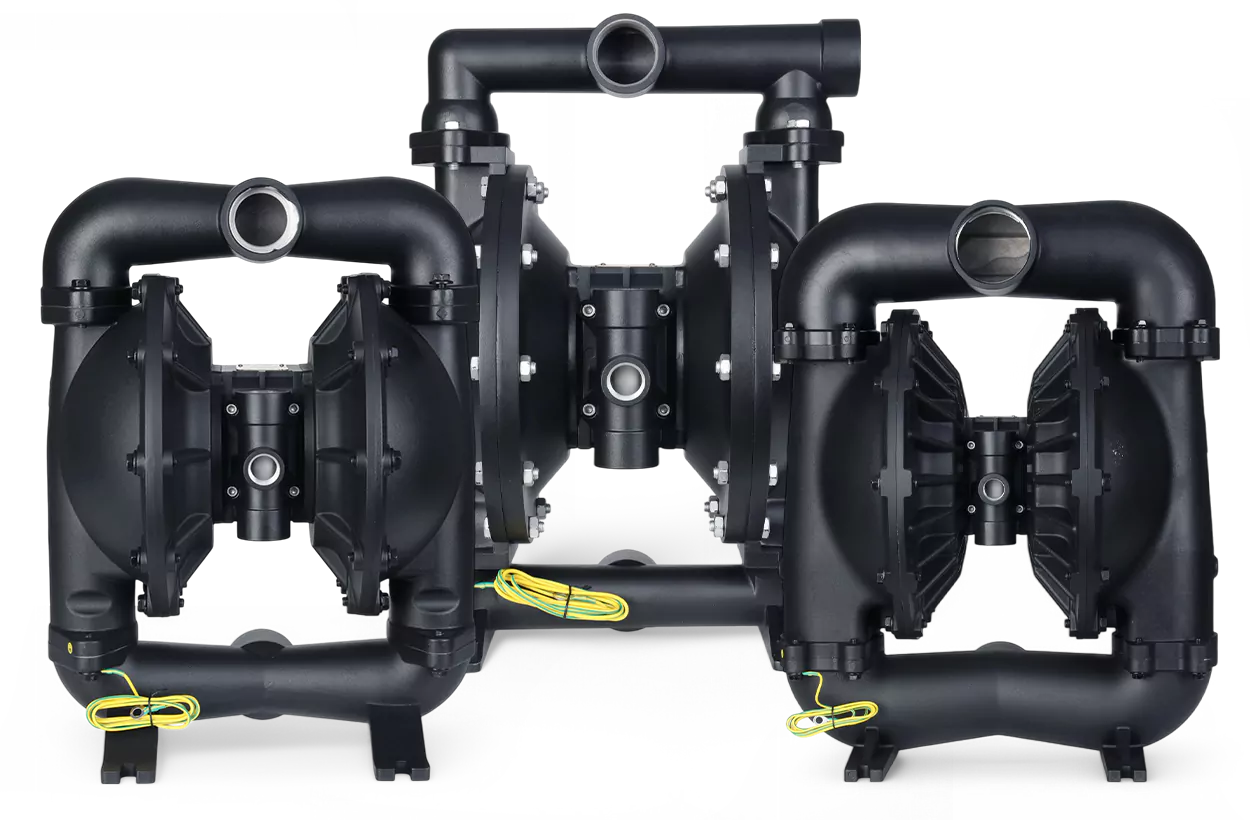
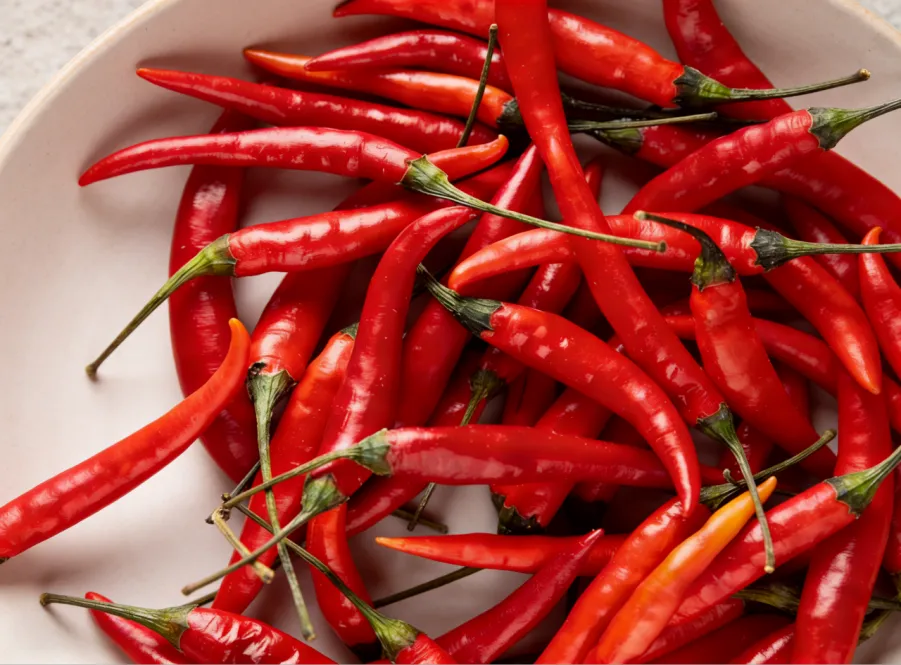
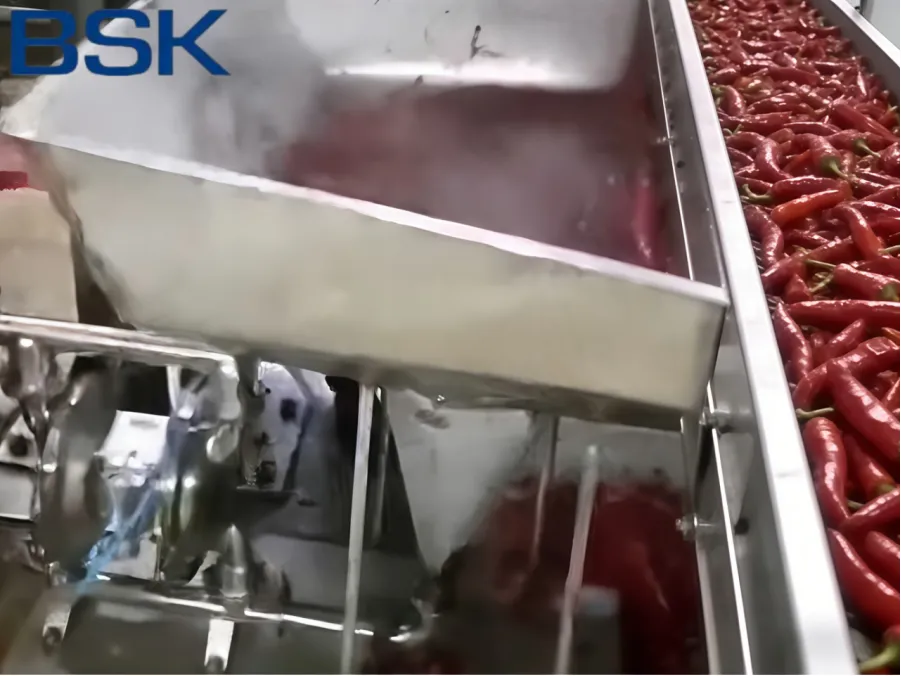
As one of the world’s most consumed spicy condiments, chili is widely used in making chili sauce, pickled chili, chili powder, and spicy snacks. Yet chili conveyance brings major industry challenges: fresh chili’s tender texture breaks easily and oozes juice; dried chili has seeds and tendrils that cause blockages; capsaicin is mildly corrosive; and strict hygiene standards apply. Traditional conveying equipment often leads to high damage rates, blockage shutdowns, and poor hygiene compliance—causing heavy raw material waste, low efficiency, and food safety hazards. With core advantages of low shear, anti-clogging, food-grade build, and corrosion resistance, BSK pneumatic diaphragm pumps offer customized solutions for the entire chili processing chain, becoming a top choice for food manufacturers.
Four Core Chili Conveyance Pain Points: Traditional Equipment Fails
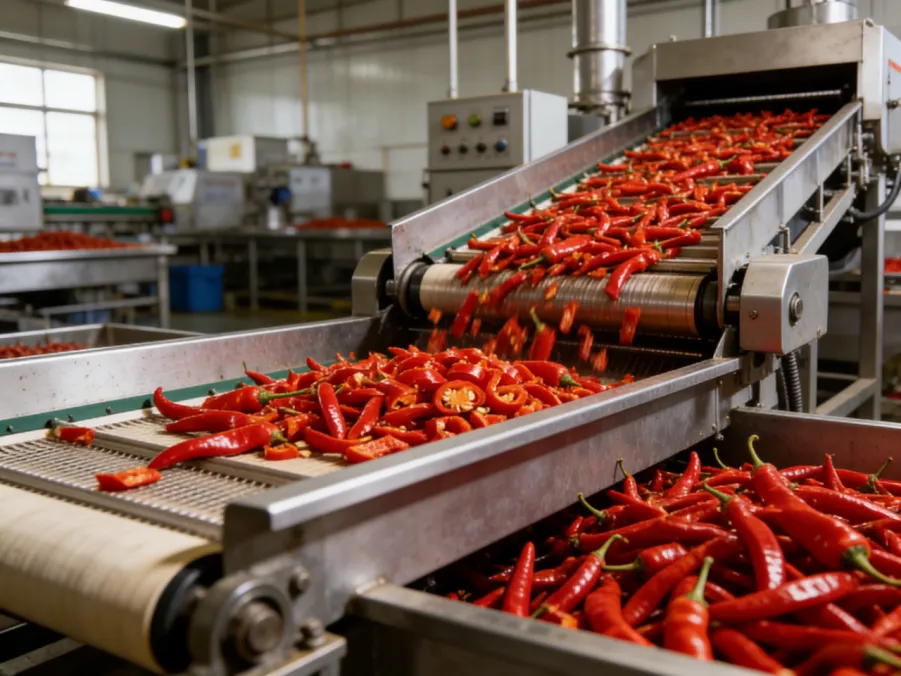
Chili processing covers stages from fresh chili cleaning/conveyance, to pre-grinding transport for sauce, to dried chili powder handling. Each stage needs specific equipment, but traditional methods face key bottlenecks:
1. High Fresh Chili Damage, Costly Waste
Fresh chili has high moisture and thin, brittle skin. Rotating parts in screw/centrifugal pumps squeeze and shear it, causing breakage and juice loss. This harms product color/flavor and makes cleaning harder due to residue—hitting cost control hard.
2. Dried Chili Blockages, Frequent Shutdowns
Cut or crushed dried chili has irregular seeds/tendrils. Narrow flow channels in pipeline/gear pumps clog easily, forcing frequent disassembly and cleaning. Some even add extra seed sorting, raising labor costs and process complexity.
3. Capsaicin Corrosion + Hygiene Gaps
Capsaicin’s weak alkalinity corrodes ordinary metal equipment over time, risking metal ion migration. Traditional gear also has hard-to-clean welds/seals, failing CIP (Clean-in-Place) processes and creating microbial growth risks.
4. Poor Multi-Scenario Adaptability
Chili varies (fresh/dried, block/granule/powder) across processing steps. Traditional equipment only handles one form, forcing manufacturers to buy multiple units—increasing investment and layout complexity.
BSK’s Custom Solutions: Targeted Fixes
Tailored to chili conveyance needs, BSK pumps use structural design, material selection, and performance tweaks to deliver food-grade solutions with minimal damage, zero blockages, full hygiene, and multi-scenario use:
1. Low-Shear Drive Protects Fresh Chili
BSK’s reciprocating diaphragm design (no rotating parts) uses compressed air for gentle conveyance. Optimized flow channel size and diaphragm speed let fresh chili pass smoothly, minimizing damage. A Sichuan chili sauce maker saw sharp damage reduction and notable monthly material savings.
2. Wide Flow Channels + Anti-Adhesion: No Blockages
For dried chili, BSK uses wide-diameter flow channels and polished inner walls (reducing friction/adhesion). Strong self-priming ensures continuous, blockage-free runs—even for semi-dried chili—slashing cleaning shutdowns.
3. Food-Grade Materials + Sealed Build
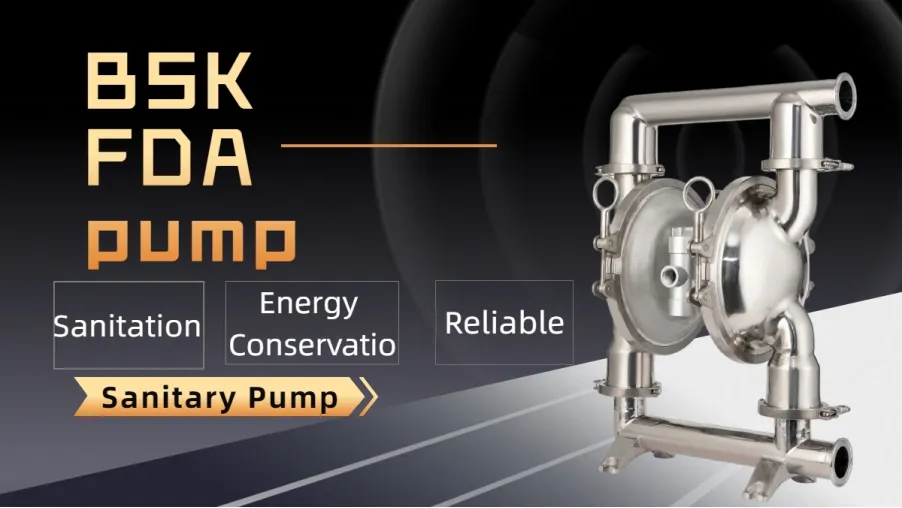
All wetted parts meet food standards: 316L stainless steel (capsaicin-resistant), FDA-certified EPDM/PTFE diaphragms (no harmful migration), and food-grade silicone seals. Quick-assembly, dead-angle-free design works with CIP systems to remove capsaicin residue, meeting HACCP/GMP standards.
4. Flexible for All Processing Stages
Adjusting air pressure controls flow, fitting all scenarios:
Fresh chili post-cleaning: Low flow prevents damage;
Chili sauce pre-grinding: Medium flow matches grinding speed;
Dried chili powder: High flow (with accessories) stops dispersion;
Pickled chili brine: Salt-resistant materials handle high-salt environments.
Real-World Impact: A Hunan Spicy Food Firm’s Upgrade
A major spicy food firm (making dried tofu, pickled chili chicken feet) uses tons of fresh/dried chili daily. Previously, screw pumps damaged fresh chili, bucket elevators clogged often, and cleaning took hours—limiting capacity.
After adopting BSK pumps in 2024:
Fresh chili damage dropped sharply, cutting monthly waste;
Dried chili ran blockage-free, boosting efficiency;
Cleaning time shortened drastically, saving water;
Material/hygiene compliance passed client safety audits.
Beyond Chili: Empowering Fruit/Vegetable Processing
BSK’s advantages extend to fragile, particle-rich produce like tomatoes, mangoes, ginger, and garlic. They prevent tomato breakage (avoiding sauce browning) and resist gingerol corrosion (stopping ginger fiber clogs). Today, this line serves hundreds of Chinese food firms in condiments, canned goods, and snacks.
As the food industry chases “cost cuts, efficiency, and safety,” BSK pumps solve conveyance pain points via innovation. They not only optimize chili processing but also help food businesses upgrade to smarter, greener production.
To learn more about BSK pumps in food processing, contact the BSK team for custom solutions—let professional gear drive your production efficiency and cost savings.
Explore BSK Pneumatic Diaphragm Pumps
Looking for the right AODD pump for your application? BSK Fluid Technology offers a complete range of pneumatic diaphragm pumps in aluminum, stainless steel, cast iron, PP, and PVDF. With 30+ years of manufacturing expertise and patented ceramic air valve technology, we deliver reliable fluid transfer solutions worldwide.
Frequently Asked Questions
Are BSK pumps suitable for explosive / ATEX environments?
Yes. AODD pumps are powered by compressed air with no electricity, making them inherently safe for ATEX Zone 1/2 (gas) and Zone 21/22 (dust). For ATEX compliance use a conductive grounded metallic body or PTFE diaphragms with conductive additive for plastic bodies, and route the air exhaust to a safe area.
Why choose an AODD pump instead of a centrifugal pump?
AODD pumps excel with high-viscosity fluids (up to 10,000 cP), abrasive slurries and shear-sensitive liquids. They run dry without damage, are self-priming, handle solids up to 6mm, and are safe for explosive environments with no electricity. Centrifugal pumps suit very high flow (>1000 L/min) or high pressure (>10 bar).
What industries use AODD pumps?
AODD pumps are used in chemical processing, food & beverage (dairy, wine, CIP), painting & coating, ceramics & mining (slurries, glazes), pharmaceuticals, oil & gas, water treatment, electronics, automotive, and pulp & paper. Their ability to handle abrasives, solvents and shear-sensitive fluids makes them ideal across these sectors.
What pump body materials are available?
BSK offers five body materials: Aluminum alloy (general purpose, oils), Stainless steel 316 (corrosive chemicals, food, pharma), Cast iron (low-cost industrial, wastewater), Polypropylene/PP (acids, alkalis, lightweight), and PVDF (strong acids, solvents, high-purity).
Where can I get a quote for the right AODD pump for my application?
BSK Fluid Technology engineers provide a personalized pump selection within 24 hours. Share your fluid properties, flow rate and pressure requirements via the Contact page or WhatsApp +86-134-3105-8937, and we will recommend the optimal model from our aluminum, stainless steel, cast iron, PP and PVDF AODD range.


