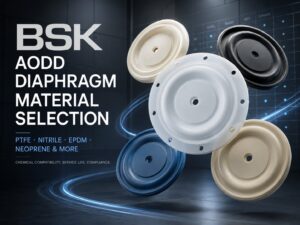
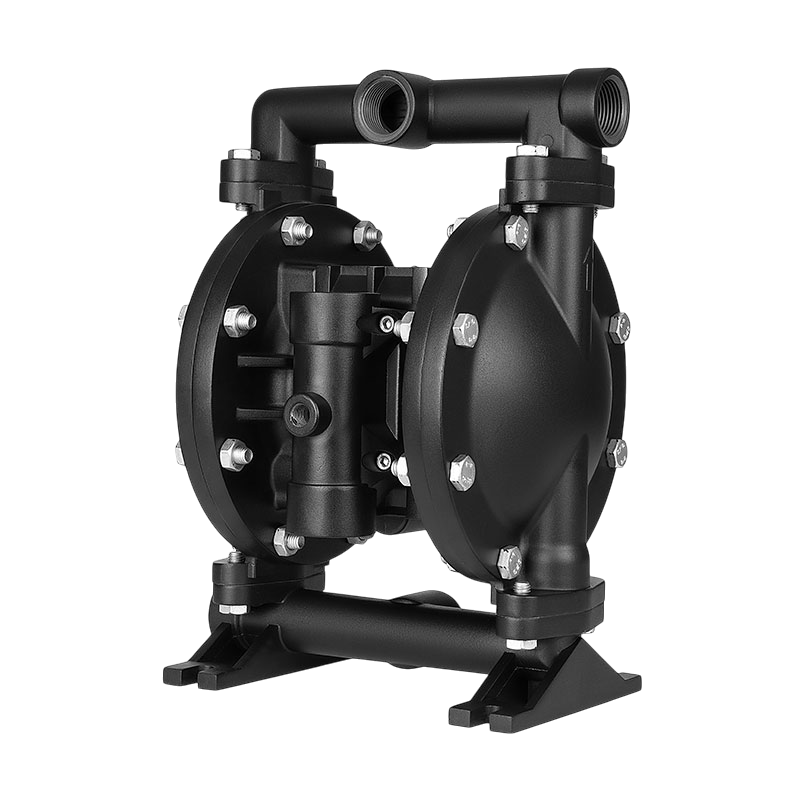
When it comes to keeping your operations running smoothly, knowing the parts of your pneumatic diaphragm pump and how to replace them can save you time, money, and frustration. This pneumatic diaphragm pump parts and replacement guide will walk you through the three main components you need to understand: the diaphragm, the valve ball, and the air valve.
If you’re new to air-operated diaphragm pumps or just looking to refresh your maintenance knowledge, you’re in the right place. So, let’s break it all down and learn what makes these pumps tick — and how you can keep yours working like new.
What Are Pneumatic Diaphragm Pump Parts and How Do They Work?
A pneumatic diaphragm pump, also known as an air-operated double diaphragm pump (AODD), is a type of positive displacement pump. It moves fluid by using compressed air and two flexible diaphragms that move back and forth.
But what makes this pump special? It does not need electricity, which makes it perfect for explosive or hazardous environments. It is also ideal for handling different kinds of liquids — even thick, abrasive, or corrosive ones.
Now, let’s look at the main parts of these pumps:
- Diaphragm: A flexible membrane that moves back and forth, creating suction and pressure to move fluid.
- Valve Ball: A one-way check valve that opens and closes to control fluid flow.
- Air Valve: The part that directs air to the chambers, helping the diaphragms move.
These pneumatic diaphragm pump parts must work together perfectly. If one fails, the entire system can lose efficiency or stop working. So, how can you tell when it’s time to replace one?
Let’s start with the part that does most of the heavy lifting — the diaphragm.
The Diaphragm for Air Pump: What It Does and When to Replace It
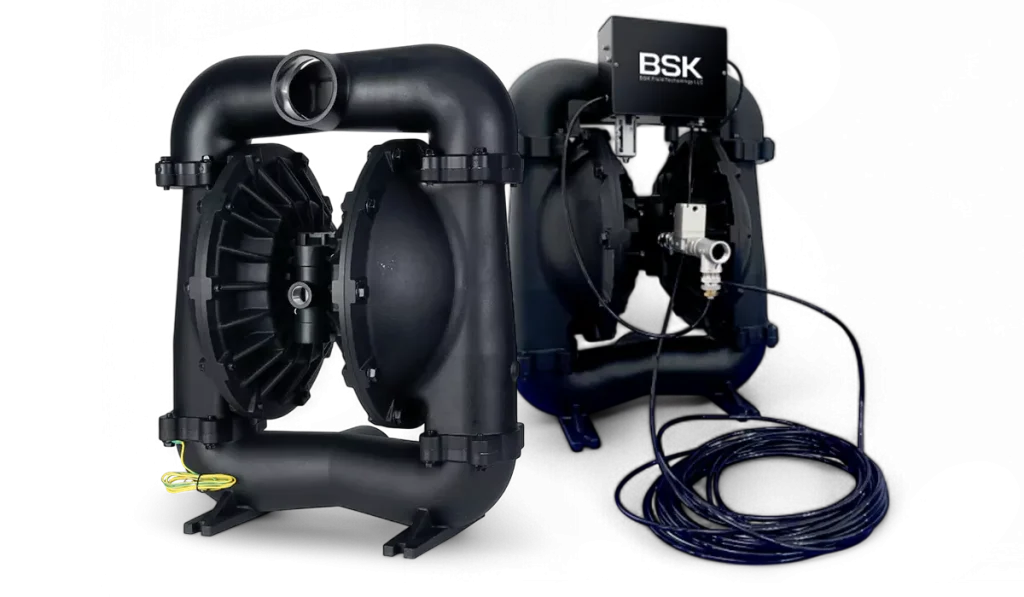
The diaphragm is the heart of the pump. It flexes back and forth with every cycle, moving fluid from one side of the pump to the other. Without it, nothing moves.
So, how do you know when to change it?
Common signs of diaphragm wear include:
- Visible cracks or pinholes
- Decreased pump pressure or flow
- Fluid leakage
- Strange noises during operation
The good news is, you don’t need to wait for failure. Most maintenance teams follow a schedule for air pump diaphragm replacement, especially in high-use systems. Replacing diaphragms every six to twelve months is a common rule, depending on the liquid type and usage.
Benefits of Timely Air Pump Diaphragm Replacement
Replacing your diaphragm for an air pump before it fails helps you:
- Avoid unplanned downtime
- Prevent damage to other pump parts
- Maintain a steady flow rate
- Reduce the risk of leaks and contamination
And here’s a tip: always replace diaphragms in pairs, even if only one side is worn out. This helps keep the pump balanced and working smoothly.
But the diaphragm is only one part of the system. What about the valve balls?
Valve Ball Troubles? Here’s What You Need to Know
After the diaphragm, the valve balls play a major role in how your pump works. These small but important components make sure that the fluid only flows in one direction. When one wears out, your pump may lose its prime, run unevenly, or even stop pumping altogether.
Common signs of valve ball failure include:
- Reduced or no suction
- The pump is losing its prime
- Leaks or backflow
- Ball sticking or jamming
Valve balls are often made of materials like stainless steel, PTFE, or rubber, depending on the fluid you’re pumping. Over time, these materials can wear out, especially when exposed to chemicals or abrasive materials.
Tips for Replacing Valve Balls Effectively
Always replace both the valve ball and its seat together for a proper seal.
Make sure the material matches your fluid type for chemical resistance.
Keep spare valve balls in stock if your system runs 24/7.
As you can see, both the diaphragm and the valve ball are crucial for proper operation. But they can’t do their job without the air valve — the part that makes everything move.

Understanding the Air Valve and Its Impact on Pump Performance
The air valve is what keeps your pump cycling. It shifts air from one chamber to the other, pushing the diaphragms back and forth. If the air valve fails, your pump can stall, slow down, or make a constant hissing noise.
Some common problems with air valves include:
- Dirt or debris clogging the valve
- Air leaks due to worn seals
- Sticky movement caused by moisture or oil in the air supply
- Good air quality (clean, dry, and oil-free) goes a long way in protecting your air valve. If your pump stalls often or if you hear constant hissing, the air valve is the first thing to check.
So far, we’ve covered how each part works and when to replace it. But how do you make sure you’re choosing the right replacement parts?
Choosing the Right Pneumatic Diaphragm Pump Parts for Long-Term Performance
Picking the correct replacement parts is just as important as knowing when to replace them. Using the wrong diaphragm or valve ball can cause leaks, pump failure, or even damage to other equipment.
So, how do you choose wisely?
- Know your pump model: Always check the pump’s serial number or model ID.
- Match materials to your liquid: For example, use PTFE for acids, but go with rubber for water or oil.
- Check for compatibility: Not all aftermarket parts fit perfectly. Stick with high-quality or OEM-compatible components.
Maintenance Tips to Extend Pump Life
Inspect diaphragms and valve balls regularly
Keep your air supply clean and dry
Replace parts on a set schedule, not just when they fail
Use reliable air diaphragm pump parts for long-term savings
Still wondering where to find trusted parts that won’t let you down? That’s where we come in.
Why Choose BSK FLUID TECHNOLOGY for Diaphragm Pump Parts and Support?
If you’re looking for durable, affordable, and reliable pneumatic diaphragm pump parts, BSK FLUID TECHNOLOGY is a name you can trust.
Here’s what makes BSK stand out:
- Factory-direct quality: As a manufacturer, we control the quality from start to finish. No middlemen, no inflated prices.
- Wide material options: We offer diaphragms for air pumps in a variety of materials for different industries.
- Fast global shipping: We ship worldwide and support businesses across different time zones.
- Custom solutions: Need a part built for special conditions? We can help.
- Years of experience: We’ve been solving pump problems for a long time, and we’re proud of our reputation for reliability.
From chemical plants to mining sites, customers trust us to keep their systems running with the right parts at the right time.
Conclusion
We’ve covered a lot in this pneumatic diaphragm pump parts and replacement guide, from how these parts work to when and why they should be replaced. Keeping an eye on your diaphragms, valve balls, and air valves can help you avoid downtime, reduce maintenance costs, and get the most from your pump investment.
Remember, the right parts do more than keep your pump running — they protect your entire operation.
Need help finding the right part? Have questions about replacements or compatibility?
Reach out to us at BSK FLUID TECHNOLOGY — we’re always here to help, and we make it easy to get what you need.
Frequently Asked Questions
1. What is the diaphragm in a pneumatic diaphragm pump used for?
The diaphragm moves back and forth to create suction and pressure, which helps move fluid through the pump.
2. How often should I replace the diaphragm for an air pump?
It depends on usage, but in heavy-duty environments, every 6 to 12 months is a good rule of thumb.
3. What causes valve balls to fail?
Wear and tear, corrosion, or debris in the fluid can cause valve balls to stick or lose sealing, leading to poor performance.
4. How do I know when the air valve needs replacing?
If your pump stalls, runs unevenly, or hisses constantly, the air valve might be worn or clogged.
5. Can I use non-OEM parts for replacements?
Yes, but make sure they are compatible with your pump model and fluid type to avoid performance issues.
6. What are the signs that I need air pump diaphragm replacement?
Look for cracking, leaking, low pressure, or reduced flow rate.
7. Where can I buy reliable air diaphragm pump parts?
You can order quality parts directly from BSK Fluid Pumps with fast global delivery and expert support.
Explore BSK Pneumatic Diaphragm Pumps
Looking for the right AODD pump for your application? BSK Fluid Technology offers a complete range of pneumatic diaphragm pumps in aluminum, stainless steel, cast iron, PP, and PVDF. With 30+ years of manufacturing expertise and patented ceramic air valve technology, we deliver reliable fluid transfer solutions worldwide.
Frequently Asked Questions
How does fluid viscosity affect AODD pump performance?
Higher viscosity reduces flow rate and increases air consumption. 0-500 cP: minimal reduction. 500-2000 cP: 10-20% reduction. 2000-5000 cP: 30-50% reduction (size up one port). 5000-10000 cP: significant reduction, use the largest practical pump. For viscous fluids use short, wide suction pipes.
What suction lift can an AODD pump achieve?
BSK AODD pumps achieve up to 4-5 meters dry lift and 7-9 meters wet lift. Actual lift depends on air pressure, fluid viscosity, suction pipe diameter/length and altitude. For lifts over 4 meters, flooded suction (pump below fluid level) is recommended.
What is the maximum discharge pressure of an AODD pump?
Maximum discharge pressure equals the air supply pressure minus minimal internal losses. Standard BSK pumps reach 6-8 bar; high-pressure models reach up to 15-16 bar via a booster configuration. The pump cycles slower as discharge pressure rises and stalls when discharge equals air supply pressure.
How much compressed air does an AODD pump consume?
Air consumption at 4 bar: 1/2" pump 0.3-0.5 m³/min, 1" pump 0.8-1.2 m³/min, 2" pump 2.5-4.0 m³/min, 3" pump 4.5-7.0 m³/min. The BSK ceramic air valve saves up to 30% air versus conventional metal valves.
Where can I get a quote for the right AODD pump for my application?
BSK Fluid Technology engineers provide a personalized pump selection within 24 hours. Share your fluid properties, flow rate and pressure requirements via the Contact page or WhatsApp +86-134-3105-8937, and we will recommend the optimal model from our aluminum, stainless steel, cast iron, PP and PVDF AODD range.