
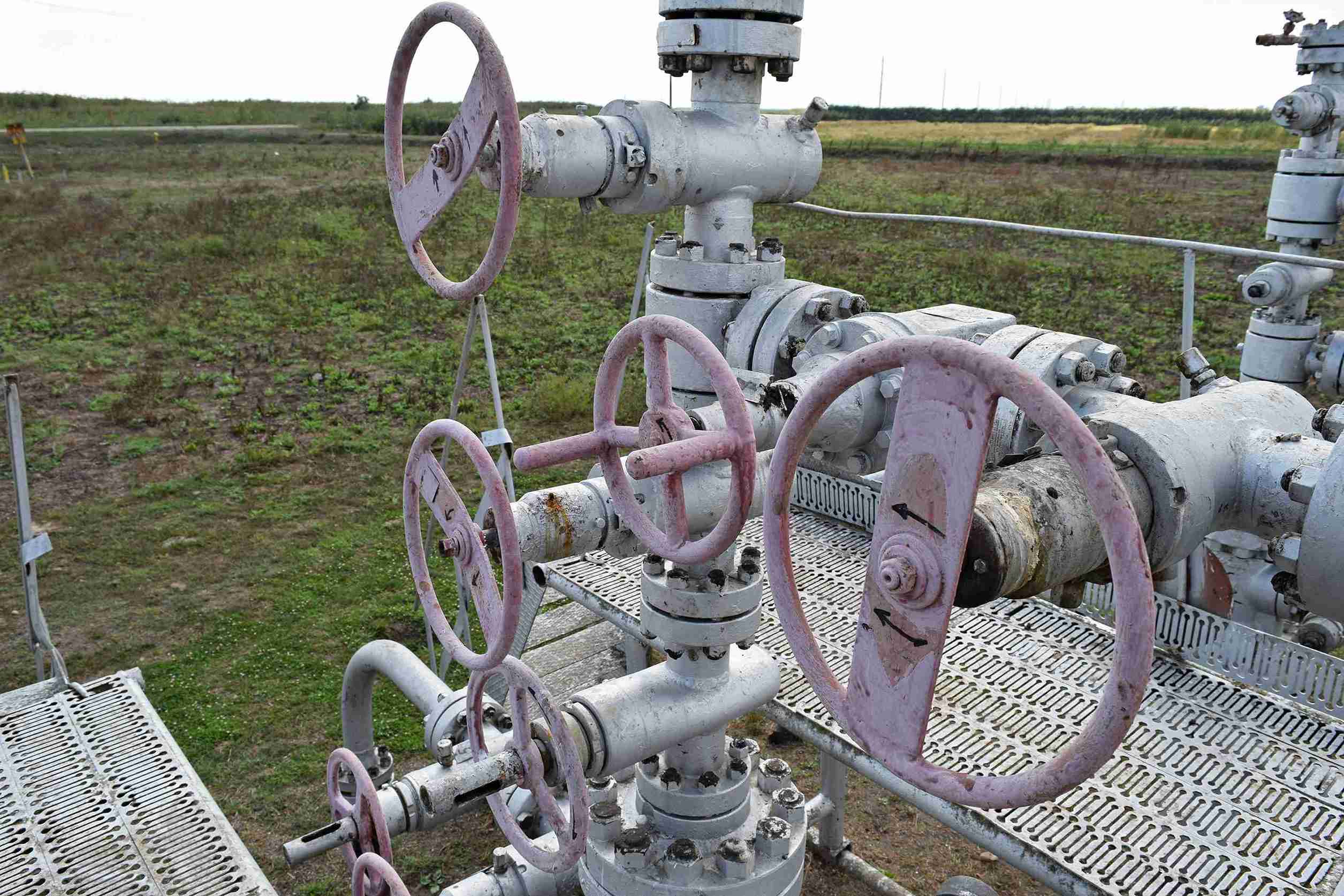
When you hear the word mining, you think of large machines excavating deep in the ground. But perhaps the most critical component of any mining operation is not so readily apparent—it’s the mining pumps that drive it all. From displacing water from way below the ground to transporting heavy rock and liquid suspensions hundreds of feet, these pumps are the lifeblood of mining operations.
Here’s where mining pumps are used at different stages of a mining operation. You’ll discover how they keep workspaces free of water, transport heavy slurries, and reduce downtime. If you’re part of a mining team, a planner, or just curious about how the business operates, this guide will give you a clear picture of why mining pumps matter—and how the right ones can be the difference-maker.
So, where do these pumps really belong in the larger picture? Let’s start by finding out where they belong, beginning with the bottom.
Why Mining Pumps are a Necessity of Every Mining Operation
It’s simple to overlook how much slurry and water a mining operation has to contend with. But in fact, both are in a continuous flow—sometimes in the form of underground water tables, sometimes in the form of processing operations. That’s where mining pumps fit in. They assist with everything from draining floodwater to transporting waste material, ensuring operations are safely and efficiently maintained.
Without operating mining pumps, mines flood, processing is held up, and shipping material becomes impossible. These pumps have to be rugged enough to survive heavy use, flexible enough to be installed in innumerable places, and easy enough to fix when something does go wrong.
What kind of work do they perform, then? The biggest are dewatering and slurry transport, so let’s have a closer look at each.
Mining Dewatering: Keeping Sites Productive and Safe
Every mining activity is faced with water. Rainwater, groundwater, and processing fluid all build up rapidly. Water can destroy equipment, make work unsafe, and even close down the operation completely if it’s not removed. That’s why dewatering is most traditionally the initial and most important use of mining pumps.
Whether an open-pit or a deep tunnel mine, the removal of water effectively and quickly is the secret to success.
Submersible Pumps
Submersible pumps are one of the most widely used applications in mining. Submersible pumps are used underwater and are usually dropped into water-filled trenches or pits. They are compact, lightweight, and perfect for places where water will accumulate in remote areas.
Centrifugal Pumps
Centrifugal pumps are sturdy, quick, and durable. They’re used when water needs to be carried over long distances or pumped up from deep shafts. Since they come in diesel as well as electrical versions, they’re versatile to use in various types of mines.
Vertical Turbine Pumps
If water needs to be lifted from a deep source, such as a borehole or well, vertical turbine pumps are generally the most suitable. The pumps are optimized to transfer large volumes over long vertical distances and are thus best suited for deep dewatering.
Why do we need dewatering? Because without it, mining would be slower, riskier, and an awful lot more expensive. But half the fight is letting out the water—now we’re faced with talking about moving something even more challenging: slurry.
Slurry Transfer: Transporting the Most Difficult Materials using Mining Pumps
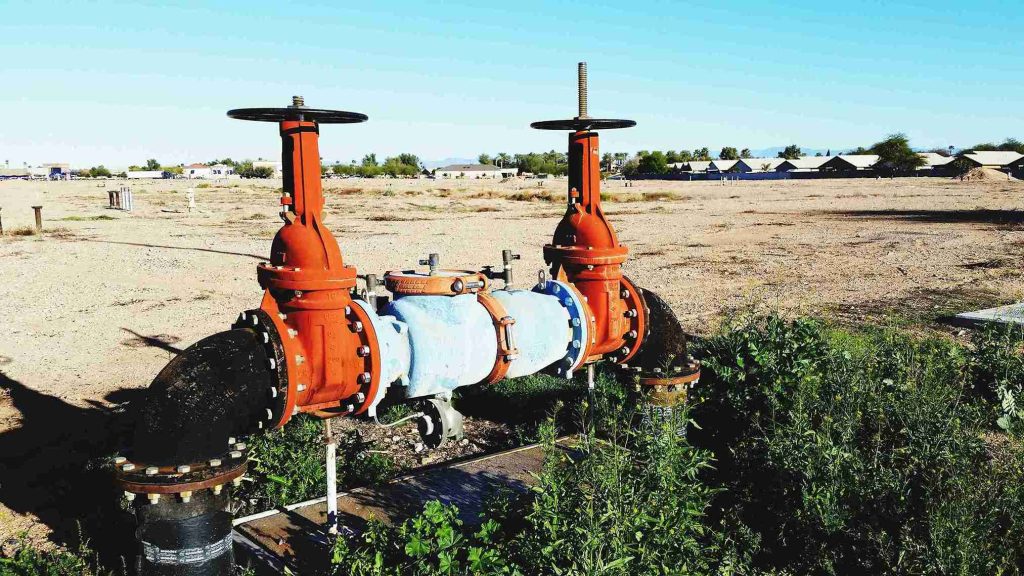
Now that we’ve addressed the water, what do you do with the rest of the mud, rocks, and crushed ore? That’s where slurry transfer comes into play. Slurry is a heavy, dense material consisting of solids and liquids, typically crushed stone, sand, and water. It’s one of the most demanding tasks in mining, and that’s where specialized mining pumps are put to the test.
These blends will wear down ordinary pumps rapidly. They’re corrosive, at times, and abrasive, and may clog pipes if not constantly in motion. So, what do mining operations do about this problem?
Horizontal Slurry Pumps
They are heavy-duty, high-pressure, and high-flow pumps that are ideal for use in heavy-duty applications. They are fitted with heavy-duty casings and liners that are resistant to wear, and their impellers are typically made of metal or rubber to achieve maximum life. Horizontal slurry pumps are widely used in large mining operations because they are long-lasting and easy to repair.
Submersible Slurry Pumps
For submerged zones or slurry sumps, submersible slurry pumps are the best option. They can be fully submerged under water and pump heavy, abrasive slurries without sacrificing performance. They are particularly handy to operate in tight or inaccessible spaces.
At this point, you are probably asking yourself: how do you choose the right pump if mining conditions change day after day? That is what we are going to tackle next.
Choosing the Right Mining Pump for Harsh Environments
All pumps for mining aren’t created equal. Some are made for velocity. Some are made for longevity. But when you’re working in difficult, demanding environments, you need a pump that can do it all.
These are some things to keep in mind when selecting the right pump for an application in mining.
Factors to Consider in Selection
- Material Compatibility: Pumps must be made from materials resistant to solids wear and chemical corrosion.
- Flow Rate and Head: Quantity of fluid carried by the pump, and how far it must travel.
- Solids Handling: Certain pumps are able to handle bigger particles without clogging.
- Energy Consumption: Energy-efficient pumps reduce long-term costs.
- Ease of Maintenance: The best pump is one that can be serviced by your personnel without requiring specialized tools or extensive delays.
Error to Avoid
- Choosing a pump that is not big enough for the job
- Ignoring the abrasive nature of the slurry
- Purchasing cheap alternatives that deteriorate prematurely
- Forgetfulness regarding the availability of spare parts
Choosing the right mining pump can be the difference between a smooth process and repeated breakdowns. So what is it that makes BSK pumps the ideal choice for such challenging conditions?
How BSK FLUID TECHNOLOGY Meet the Demands of Modern Mining
At BSK Fluid, we don’t just sell pumps—we engineer solutions just for real-world mining applications. Our range of mining pumps is engineered to dewater and pump slurry with reliability, durability, and effectiveness.
- Our slurry pumps consist of abrasion-resistant components that are longer-lasting under harsh conditions.
- Submersible dewatering pumps are easy to install, effective, and suitable for flooded underground areas and pits.
- Individual performance or dimensions can be fulfilled by custom-made pump solutions for mines.
- BSK pumps are field-maintenance accessible. That means fewer breakdowns, less cost, and less downtime—all of which are valuable in a high-pressure mining operation.
- We have assisted mining operations worldwide in upgrading to improved systems, and we stand at your service to provide assistance and guidance each step of the way.
Conclusion
From draining water to pumping heavy slurries, mining pumps are the workhorses of every successful mining operation. With the right pump for the task, you accomplish more, with less stress, and more safely.
Whether you’re building a new mining facility or optimizing an existing unit, BSK Fluid can help you choose the best pumping solution—one that will endure for years to come and take advantage of true expertise.
Let’s discuss your issues. Contact us today to speak with a mining pump specialist who knows your operation and can help you select the right solution for your company—no hard sell—just open discussion and documented experience.

Frequently Asked Questions
1. What is the use of mining pumps?
The mining pumps are utilized for dewatering and conveying slurry (liquid suspension of solids) in mining applications.
2. What is dewatering in mining?
Dewatering is draining water out of mines to maintain dry and safe working conditions.
3. What is a slurry pump?
A slurry pump is used to transport very thick suspensions of solid and liquid, like mud, ore, or sand.
4. Which pump is best to dewater a mine?
Centrifugal or submersible pumps have their most common application in mine dewatering.
5. How do I choose the correct mining pump?
You would need to consider flow rate, solids size, material of the pump, energy use, and your specific mine requirements.
6. Are mining pumps wear and tear resistant?
Yes, abrasion-resistant components are used in constructing high-grade mining pumps that can withstand tough environments.
7. Do mining pumps deal with chemicals?
Some pumps for mining are designed to handle corrosive fluids. Ensure you obtain one constructed using the appropriate materials.
8. What differs between horizontal and vertical slurry pumps?
Horizontal pumps are more efficient and simpler to maintain, while vertical pumps are ideal for sumps or enclosed areas.
9. How frequently should mining pumps be serviced?
It is usage and condition-dependent, but the breakdowns are prevented with maintenance and regular checking.
10. Does BSK Fluid offer tailored pump solutions?
Yes, BSK Fluid provides custom mining pump systems to accommodate site-specific conditions.
Explore BSK Pneumatic Diaphragm Pumps
Looking for the right AODD pump for your application? BSK Fluid Technology offers a complete range of pneumatic diaphragm pumps in aluminum, stainless steel, cast iron, PP, and PVDF. With 30+ years of manufacturing expertise and patented ceramic air valve technology, we deliver reliable fluid transfer solutions worldwide.
Frequently Asked Questions
Why choose an AODD pump instead of a centrifugal pump?
AODD pumps excel with high-viscosity fluids (up to 10,000 cP), abrasive slurries and shear-sensitive liquids. They run dry without damage, are self-priming, handle solids up to 6mm, and are safe for explosive environments with no electricity. Centrifugal pumps suit very high flow (>1000 L/min) or high pressure (>10 bar).
What industries use AODD pumps?
AODD pumps are used in chemical processing, food & beverage (dairy, wine, CIP), painting & coating, ceramics & mining (slurries, glazes), pharmaceuticals, oil & gas, water treatment, electronics, automotive, and pulp & paper. Their ability to handle abrasives, solvents and shear-sensitive fluids makes them ideal across these sectors.
What pump body materials are available?
BSK offers five body materials: Aluminum alloy (general purpose, oils), Stainless steel 316 (corrosive chemicals, food, pharma), Cast iron (low-cost industrial, wastewater), Polypropylene/PP (acids, alkalis, lightweight), and PVDF (strong acids, solvents, high-purity).
When should I choose PTFE vs Santoprene diaphragms?
Choose PTFE for strong acids, aggressive solvents, high-purity or temperatures above 80°C (shorter flex life, higher cost). Choose Santoprene for mildly corrosive/neutral fluids, longer diaphragm life (2-3x vs PTFE), food-grade use and cost efficiency.
Where can I get a quote for the right AODD pump for my application?
BSK Fluid Technology engineers provide a personalized pump selection within 24 hours. Share your fluid properties, flow rate and pressure requirements via the Contact page or WhatsApp +86-134-3105-8937, and we will recommend the optimal model from our aluminum, stainless steel, cast iron, PP and PVDF AODD range.


