
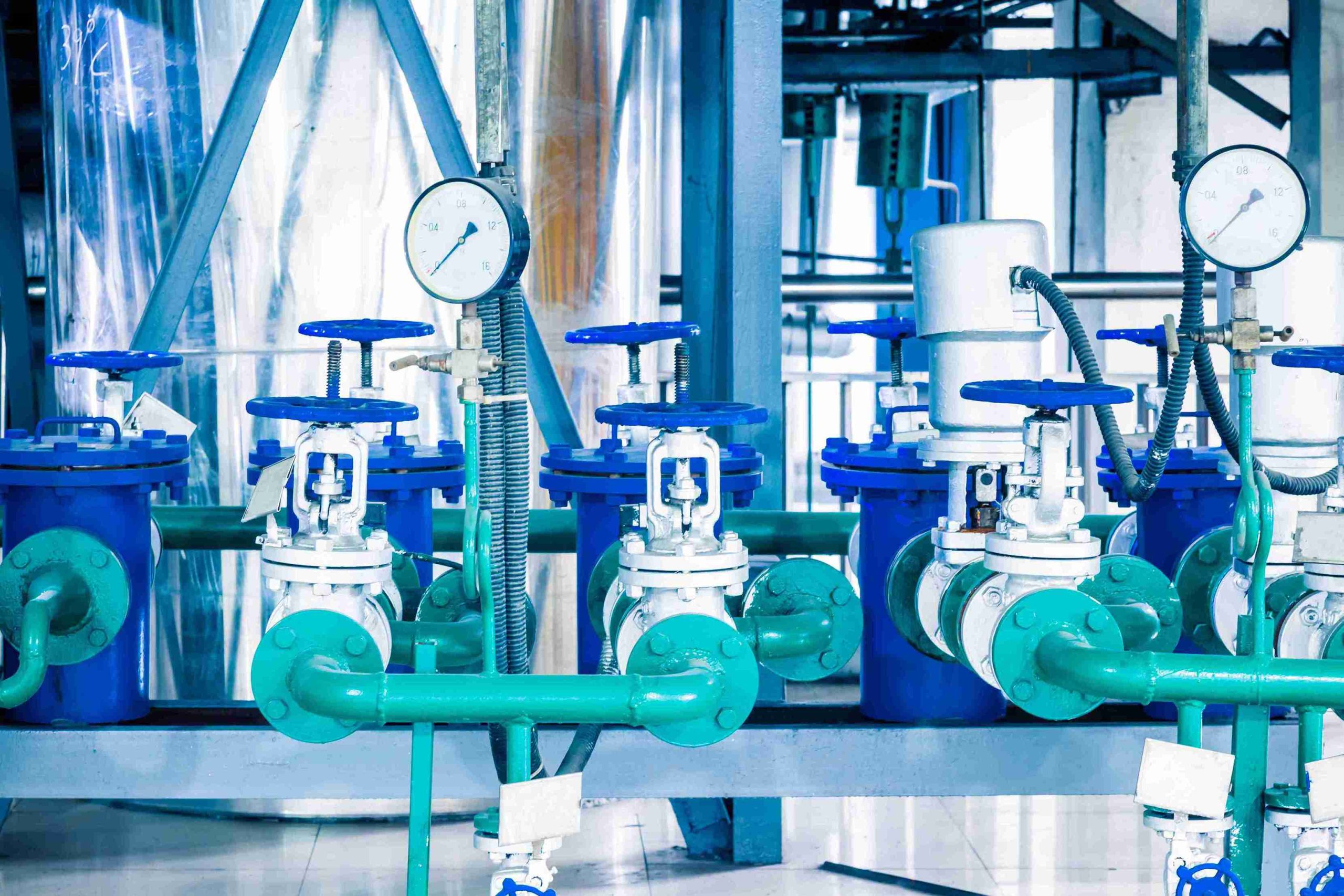
When you’re dealing with high-demand industrial applications, there just isn’t anything a normal pump can handle. You’re going to need something tough, effective, and built to take a beating, that’s where a high pressure pump comes in. But which one for your company? With all the various models, materials, and options available, it can seem overwhelming.
Don’t worry, we take you through it step by step in this guide. We’ll explain what high-pressure pumps are, what to look for when buying, and how to avoid pitfalls. You’ll be able to pick the perfect solution for you by the time you’ve read this.
Let’s start at the start.
What is a High Pressure Pump and Why Do You Need It?
Not all pumps are the same. A high-pressure pump is designed to move liquids at very high pressures. In each industry, that translates to pressures of around 800 PSI and up to 30,000 PSI or more.
And then, where are high-pressure pumps used?
They’re utilized in numerous locations, such as:
- Car washes and cleaning systems
- Oil and gas production
- Chemical plants
- Water treatment facilities
- Food and beverage processing
- Manufacturing
In each of these applications, you need a pressure-resistant pump — literally. If you purchase the wrong kind, it could fail too soon, be expensive to fix, or even ruin your whole system.
But what are you supposed to look for, anyway?
Key Things to Be Considered When Choosing a High Pressure Pump
Before you make a trip out and buy a high-pressure pump, there are a few questions that you need to ask yourself. They will assist you in finding a pump that will work well for your system and not fail when you need it most.
1. What Flow Rate and Pressure Do You Need?
First, figure out the pressure and flow rate your system requires. Pressure is usually measured in PSI (pounds per square inch), and flow rate is measured in GPM (gallons per minute). If your pump cannot generate the right pressure or flow, your system won’t function as you’d like it.
Think about:
- How much fluid do you need to transfer
- How much ground does it have to traverse
- What the fluid is accomplishing (cleaning, cooling, mixing, etc.)
2. What’s the Type of Fluid You’re Dealing With?
All fluids are not alike. Some are clean, like water. Some are viscous, caustic, or have tiny solids. Your pump needs to be built for the fluid you will be pumping.
For example:
- Water-based fluids: Often fine with stainless steel
- Chemicals or corrosive liquids: Can be needed with special coatings or parts like Teflon or Hastelloy
- Abrasive fluids: Call for wear-resistant parts
The improper materials will ruin your pump quickly, so make sure to check for compatibility.
3. What is a Duty Cycle?
Some pumps literally operate all day and all night. Others operate in short bursts for a few minutes at a time. Duty cycle — how long and how often a pump operates — determines what you’ll need.
If your equipment operates 24/7, you will need a pump designed for continuous operation, with heavy-duty seals and minimal maintenance needs.
Now that you have an idea of what to search for, how do you decide between the different types?
Types of High Pressure Pumps: Which One is for You?
There are various kinds of high-pressure pumps, and each has its strengths and weaknesses. The most appropriate for you will be based on your specific application and system setup.
Plunger Pumps
Plunger pumps use a piston to force liquid out of a cylinder. They are famous for super high pressure and are typically used in pressure washing or hydroblasting.
- Pros: Simple to repair, high pressure, reliable
- Disadvantages: Need for frequent maintenance of plungers and seals
Piston Pumps
These are similar to plunger pumps but typically smaller and for more fluid flow control.
- Advantages: For smaller systems, adjustable output
- Cons: More costly for the same level of pressure
Diaphragm Pumps
Instead of a piston, diaphragm pumps use a flexible membrane to push fluid. They’re ideally suited for corrosive or abrasive fluid.
- Advantages: No liquid touches the moving parts, can handle chemicals well
Then how do you go about without choosing the wrong one?
Most Common Mistakes to Avoid When Buying a High Pressure Pump
Even experienced engineers make mistakes, though, when selecting a high-pressure pump. Here are some of the most common mistakes to watch out for — and how to avoid them.
Overestimating Pressure Needs
More pressure does not always equal better. When you buy a pump that will perform a lot more than your system needs to, you can:
- Burn energy
- Wear out the pump faster.
- Spend more than required.
- Always pump size to actual needs and not “bigger is better.”
Overlooking Chemical Compatibility
Pumping harsh chemicals through the wrong materials can lead to leaks, corrosion, or even failure. Always consult the chemical compatibility chart when choosing pump materials.
Forgetting to hold
Even the best pump will need servicing. Prior to purchasing, inquire:
- How often does it need maintenance?
- Are replacement parts readily available?
- Can your business service it in-house?
If it’s too expensive or time-consuming to keep running, it may bog down your whole system.
Benefits of Choosing the Right High Pressure Pump
Once you have the correct high-pressure pump, all of your system runs more smoothly. Here’s what you can anticipate:
- Better performance: Your equipment gets the proper flow and pressure, every time.
- Less downtime: A good pump will not fail as often.
- Less expense: Less maintenance, lower energy utilization, and less wastage of fluids.
- Safety: The right pump reduces pressure and leak problems that may cause accidents.
So you are likely wondering to yourself — where do I obtain my pump?
Why Choose BSK FLUID TECHNOLOGY?
Here at BSK FLUID TECHNOLOGY, we know how crucial the proper pump is to your system. That’s why we don’t simply sell pumps — we assist you in designing smarter systems.
Here’s what differentiates BSK from others:
Custom Solutions
Every business is different. We work together with our customers to design custom pump systems that meet your unique needs.
Expert Opinion
We’re highly experienced with the working of oil & gas, manufacturing, chemical process, and various other types of high-pressure pumps. We’re prepared to help you whenever you require it for troubleshooting, upgrading, or designing your next project.
Dependable Parts and Service
We carry a wide range of spares and accessories and have rapid assistance to make sure your system is performing at its best. When you choose BSK, you’re not buying a product — you’re buying extra support.
Conclusion
Choosing the right high-pressure pump doesn’t have to be complicated. Start with the pressure and flow you need. Think about the fluid, your system duty cycle, and the kind of pump that will work. Don’t fall into the pitfalls — and if unsure, bring in the experts.
We are here at BSK FLUID TECHNOLOGY to help you do it correctly the first time. If you need a custom application or just want to ask a few questions, our team is here to help you.
Ready to create the ultimate pump? Contact us today and let’s create something that’s built to last.
Frequently Asked Questions (FAQs)
1. What is a high-pressure pump used for?
There is a high-pressure pump that is used to transfer high-pressure fluids in such applications as cleaning, oil & gas, chemical processing, and water treatment.
2. How do I choose the right high-pressure pump?
Start by establishing your pressure and flow demands, fluid type, and running frequency of the pump. Then, choose a proper pump type and material.
3. What are high-pressure pumps classified as?
The most common types are plunger pumps, piston pumps, and diaphragm pumps — they are all appropriate for different situations.
4. What pressure is considered “high pressure”?
Pressure above 800 PSI constitutes high pressure in factory environments, though some pumps are rated at 30,000 PSI or more.
5. Do high-pressure pumps handle chemicals?
Yes, but you need to choose materials that are compatible with the chemical you are handling to prevent damage.
6. How often should high-pressure pumps be maintained?
It is dependent on use, but most pumps require periodic inspection of seals and valves, as well as lubrication, for proper functioning.
7. What if I receive the wrong pump?
The defective pump may cause leakage, pressure loss, equipment malfunction, and increased repair cost.
8. Are high-pressure pumps energy efficient?
The majority of contemporary high-pressure pumps are designed for efficiency, especially if properly sized to the system.
9. Which industries employ high-pressure pumps?
Some of the sectors that use high-pressure pumps are manufacturing, agriculture, food processing, oil & gas, and water treatment.
10. Where can I buy a high-pressure pump that is efficient?
You can acquire high-quality, tailored high-pressure pumps from BSK FLUID TECHNOLOGY with the assistance of technical guidance and after-sales support.
Explore BSK Pneumatic Diaphragm Pumps
Looking for the right AODD pump for your application? BSK Fluid Technology offers a complete range of pneumatic diaphragm pumps in aluminum, stainless steel, cast iron, PP, and PVDF. With 30+ years of manufacturing expertise and patented ceramic air valve technology, we deliver reliable fluid transfer solutions worldwide.
Frequently Asked Questions
How do I select the right AODD pump size (flow rate)?
BSK AODD pumps range from 1/4" (20-30 L/min) to 3" (900-1000 L/min). Select a pump that delivers 20-30% more flow than your minimum requirement so you can throttle for longer diaphragm life. Port sizes: 1/4" for lab/dosing, 1" for general industrial, 2" for large transfer, 3" for bulk/mining applications.
What air pressure does an AODD pump need?
BSK AODD pumps operate between 2-7 bar (30-100 PSI). The patented ceramic air valve allows an ultra-low 0.6 bar start pressure (competitors need 1.5-2 bar). The optimal operating range is 3-6 bar for the best balance of flow, energy use, and diaphragm life.
How do I choose the right diaphragm material?
PTFE (Teflon) for strong acids, alkalis and solvents; Santoprene for general purpose, food-grade and mild chemicals (longer life); Viton (FKM) for oils, fuels and high temperature; Nitrile (Buna-N) for petroleum and wastewater. BSK also offers PTFE-backed Santoprene composite diaphragms combining chemical resistance with long flex life.
Can an AODD pump run dry without damage?
Yes. AODD pumps can run dry indefinitely without damage, unlike centrifugal pumps that suffer seal failure. Prolonged dry running does accelerate diaphragm wear, so we recommend a liquid-level sensor or timer to stop the air supply when the source is empty.
Where can I get a quote for the right AODD pump for my application?
BSK Fluid Technology engineers provide a personalized pump selection within 24 hours. Share your fluid properties, flow rate and pressure requirements via the Contact page or WhatsApp +86-134-3105-8937, and we will recommend the optimal model from our aluminum, stainless steel, cast iron, PP and PVDF AODD range.


