
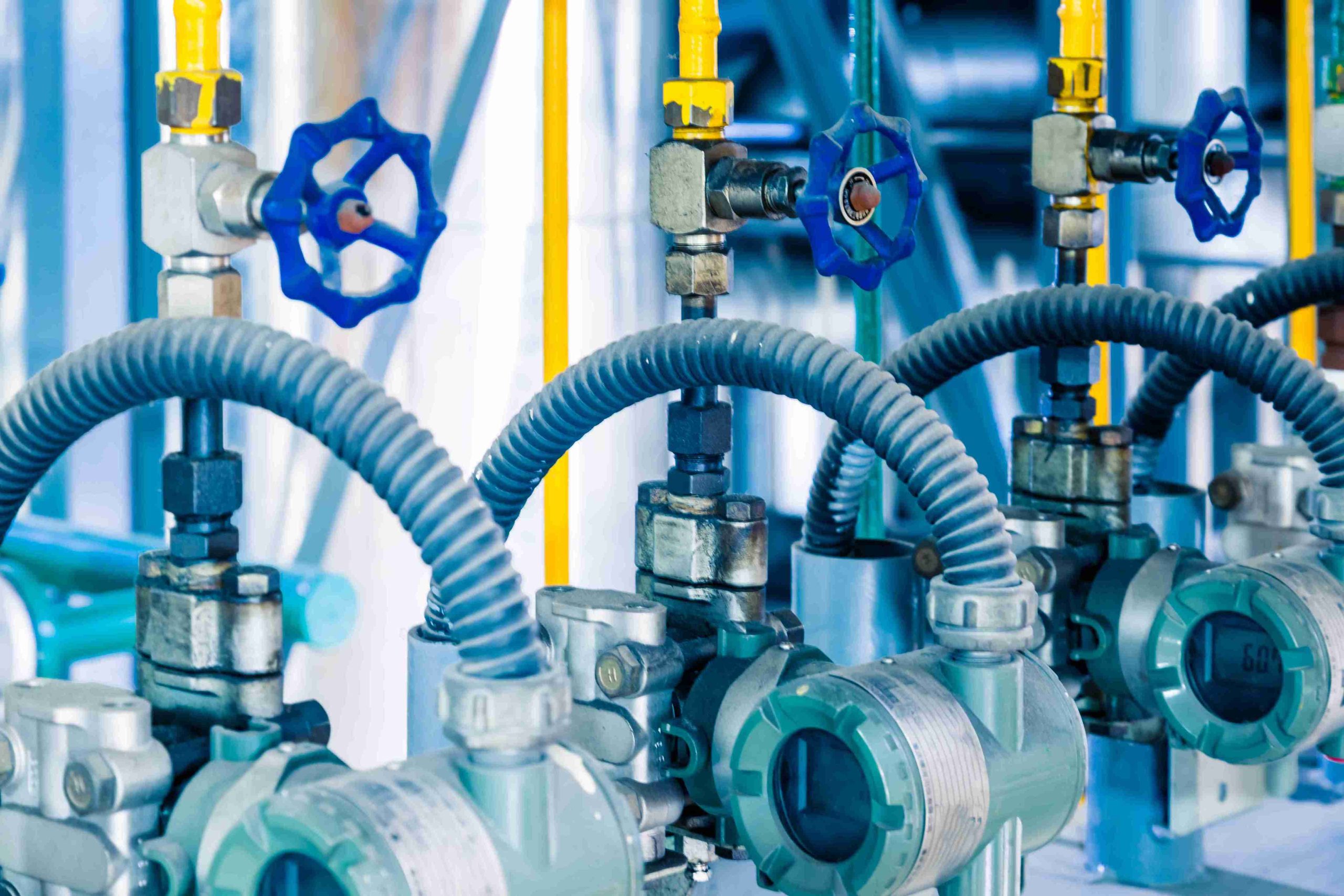
In the chemical processing world, where time is critical, line continuity is paramount. Any loss of time, no matter how brief, can result in delays, product loss, and exorbitantly expensive repairs. At the center of the majority of chemical processing lines is one solitary unit of equipment that goes generally unnoticed but is critically important in reducing downtime: the high-pressure pump.
A high-pressure pump is utilized to force liquids through the system at the pressures and flow rates necessary for chemical reaction, filtration, or transfer. Your entire line is improved when these pumps are working efficiently and effectively. But when they fail or even need servicing, the impact is felt across the entire plant.
How does a high-pressure pump really reduce downtime? What are you looking for when you select one? Let’s talk about five ways a high-pressure pump can reduce downtime and keep chemical process lines flowing smoothly.
Why High-Pressure Pump Downtime Hurts Chemical Processing
Downtime is more than minutes lost on the clock. In chemical processing, even a minute shutdown can translate to wasted raw materials, missed delivery schedules, and even safety hazards. The high-pressure pump is usually the component of the system where issues first emerge. Because it regulates the fluid flow through high pressure, any breakdown can shut down the entire process immediately.
When a pressure pump fails, it disrupts the continuous flow of liquids needed for reaction or transportation. The shutdown may result in a pressure imbalance and variable product quality. It may also result in costly shutdowns as maintenance staff rush to find and fix the problem.
Some of the most prevalent causes of downtime for high-pressure pumps include seal failure, worn bearings, corrosion, and leaks. Pumps not specifically designed for the chemicals or pressures involved will wear out faster and create more unexpected downtime.
Keeping this in mind, selecting a high-pressure pump that is engineered specifically to address the specific demands of your chemical process can save you from repeated failures and expensive repairs.
But what does “engineered for reliability” mean?
High-Pressure Pump Design Reduces Unexpected Stops
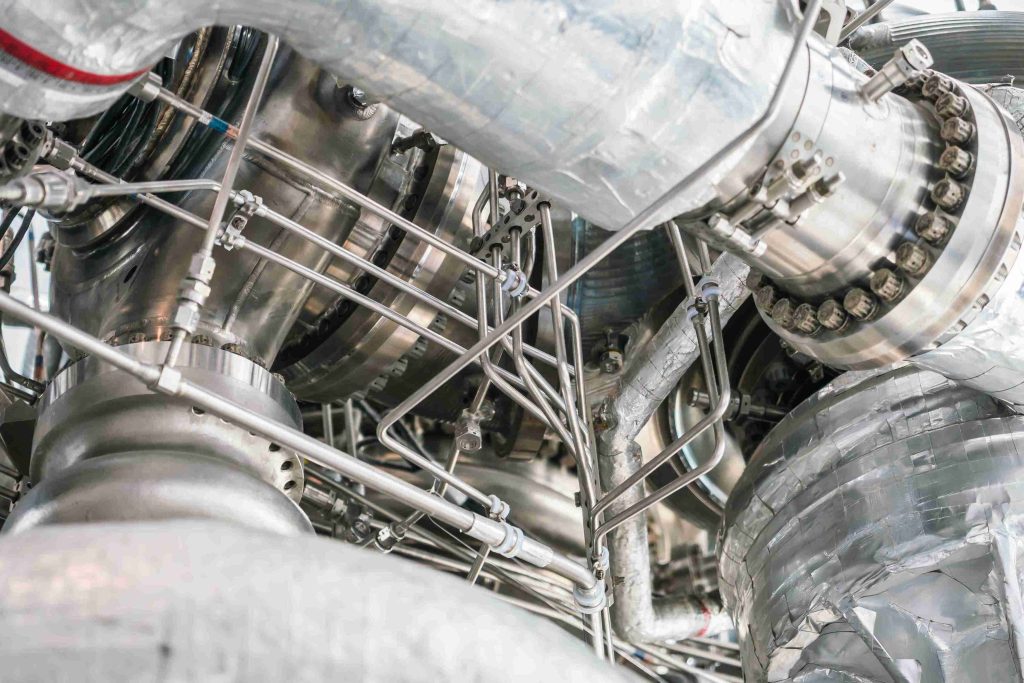
The build quality and durability of a high-pressure pump are essential to minimizing downtime. If pumps are engineered with high-level materials that are durable and hard-wearing, they will be able to withstand more mechanical stress and abrasive chemical environments.
Chemical treatment usually consists of corrosive fluids, high temperature, and high pressure. A high-pressure pump that is corrosion-resistant and made from stainless steel or specialty composite will last longer and resist damage better than cheaper options. These parts do not rust or erode, which are common causes of pump failure.
Additionally, the inner parts are subjected to strict design, including shafts and bearings. Hardened shafts resist the pressure and torque without bending, and good quality bearings reduce friction and wear, optimizing the mean time between failures.
Seals are another crucial design component. Seals keep fluid from escaping from the pump as well as contaminants out. High-performance seals, such as mechanical cartridge seals, offer greater reliability and easier replacement, cutting maintenance time.
The Benefits of High-Tech Pump Design
By investing in a high-pressure pump with advanced design features, you acquire a series of valuable benefits:
- Increased service life: The pump serves for years without requiring significant repairs.
- Fewer surprise shutdowns: Durable components mean fewer breakdowns.
- Reduced maintenance costs: Good material and workmanship minimize wear and tear.
- Improved safety: Secure seals prevent leakage of poisonous chemicals.
- Uniform process operation: Stable pumps provide uniform pressures and flow rates.
While design is paramount, even the best pump will eventually wear out if not properly maintained. How you maintain your pump will have a direct impact on its uptime.
Maintenance Tips to Maximize Your High-Pressure Pump’s Uptime
Maintenance is the most critical element for avoiding downtime due to high-pressure pump failure. Permits a pump to fail before repairing it—known as reactive maintenance—is most likely to result in extended production shutdowns and increased repair costs. Rather, a proactive maintenance program can prolong your pump’s life and detect issues before they escalate into major problems.
Regular inspections are the key to proper maintenance. Look for leaks, strange noises, or vibrations. Check seals, couplings, and bolts to see if they are tight and in good condition. These routine checks can show you early warning signs of wear before they become expensive breakdowns.
Lubrication is also a necessary factor. Moving parts and bearings need to be lubricated to minimize friction. Lubrication ports are usually incorporated into most pumps to make maintenance easier. Following the manufacturer’s lubrication cycle guidelines can prevent premature bearing failure.
Technology can also assist. Vibration analysis and infrared scanning detect faults like misalignment, imbalance, or overheating. These tools allow maintenance personnel to plan repairs before the pump fails unexpectedly.
Major Maintenance Practices for High-Pressure Pump Life
To maintain your high-pressure pump in prime condition:
- Perform periodic inspections for wear, leaks, and sounds.
- Lubricate the moving parts and bearings as recommended.
- Use vibration analysis to detect early mechanical defects.
- Inspect the shafts of the pump and motor for alignment regularly.
- Replace seals in advance of usage and condition.
The utilization of a properly designed pump combined with routine maintenance will reduce downtime. However, downtime could be further reduced by reducing the duration to perform repairs when necessary.
Quick-Change Parts Drive High-Pressure Pumps
If they have to be repaired, time is of the essence. In traditional pumps, they are usually taken apart and require special tools to access seals, bearings, or cartridges. It takes hours or days, with the production line idle.
New high-pressure pumps offer change-out parts that are designed to minimize downtime. Cartridge-type mechanical seals are one such feature that allows technicians to replace parts easily without having to remove the pump.
These quick-change components are simple to install and remove, cutting down on time wasted in repairs and installation errors. Quick-change configurations also mean less downtime to wait for replacement parts or specialist technicians.
The Fast Seal and Cartridge Swaps Explained
Cartridge seals encapsulate all of the sealing elements into a single assembly that is inserted into the pump housing. Instead of working with hundreds of tiny pieces, technicians only have to work with one assembly. This process speeds up repairs, and seals are installed correctly every time.
Likewise, the bearing cartridges are replaceable entirely, without the inconvenience of bearing disassembly and reassembly.
Employing rapid-change part pumps allows you to:
- Cut repair time from hours to minutes.
- Lower downtime expenses for faster turnaround.
- Empower your maintenance team to repair quickly.
- Maintain your chemical processing line operating for longer periods without shutdown.
But stopping downtime isn’t merely about repairing things quickly—it’s about anticipating when they’re going to occur.
Smart Monitoring Prevents Shutdown of High-Pressure Pump
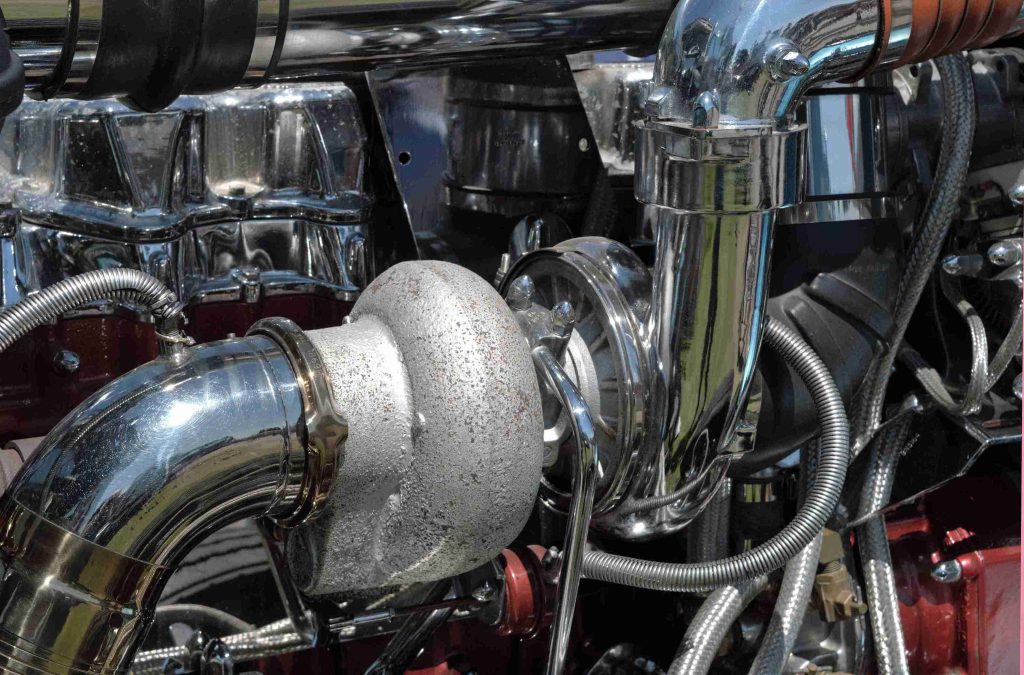
As computer technology improves, intelligent monitoring systems can be installed on pumps. Intelligent monitoring systems use sensors to track critical operating parameters like pressure, temperature, vibration, and flow rate in real time.
Smart monitoring by constant data collection can alert controllers prior to a small malfunction turning into a large failure. For example, increased vibration can be a sign of bearing wear, or a rise in temperature can be a sign of seal deterioration.
This pre-emptive warning system allows for the maintenance to be scheduled during planned downtime instead of having to deal with unplanned downtime. The result? Fewer unscheduled downtimes and more predictable maintenance costs.
Role of analytics in high-pressure pump maintenance
Most smart systems do more than offer basic alerts. They examine long-term patterns to predict when parts will fail. Predictive maintenance allows you to replace parts just before they fail, optimizing spare parts and labor usage.
Connecting your high-pressure pump to these intelligent systems is equivalent to greater pump condition insight and more consistent, longer-lasting operation.
Why Choose BSK FLUID TECHNOLOGY for High-Pressure Pump Solutions
With everything riding on your pumps, selecting a proper supplier matters. BSK FLUID TECHNOLOGY has a background in engineering and manufacturing high-pressure chemical processing pumps.
Our pumps are backed with innovative engineering and corrosion-resistant materials, heavy-duty seals, and easy-change parts. We also offer technical support, training, and customized solutions to meet the needs of your plant.
BSK customers have fewer unexpected failures, faster repair times, and more life out of their pumps. We are a name you can trust because we are dedicated to service and quality.
Conclusion
Reducing downtime in chemical processing lines starts with choosing an elite-level high-pressure pump. From design and material to maintenance and smart monitoring, every step matters.
Investing in a reliable pump with features like corrosion protection, module-based design, and predictive alarms can save your operation considerable time and money. With proactive maintenance and expert advice from BSK FLUID TECHNOLOGY, you can keep your production line at optimal levels.
If downtime reduction and uptime optimization are on your to-do list for your chemical processing facility, then contact BSK FLUID TECHNOLOGY today. Our experts are ready to help you choose the correct high-pressure pump solution for your application.
FAQs
1. Why is a high-pressure pump so crucial in chemical processing?
It carries fluids at the pressure demanded for reaction and transfer, and it sustains processes steadily.
2. How does pump design affect downtime?
Durable materials and advanced technology engineering reduce failures and increase pump life, improving downtime.
3. What prevents pumps from failing?
Periodic inspections, lubrication, vibration analysis, and prompt seal replacement ensure pumps are dependable.
4. What are quick-change components?
Components such as quick-change cartridge seals that are easily replaced, saving time and downtime.
5. Can intelligent monitoring help with pump reliability?
Yes, sensors and analytics anticipate problems ahead of time, avoiding surprise breakdowns.
Explore BSK Pneumatic Diaphragm Pumps
Looking for the right AODD pump for your application? BSK Fluid Technology offers a complete range of pneumatic diaphragm pumps in aluminum, stainless steel, cast iron, PP, and PVDF. With 30+ years of manufacturing expertise and patented ceramic air valve technology, we deliver reliable fluid transfer solutions worldwide.
Frequently Asked Questions
How do I choose the right diaphragm material?
PTFE (Teflon) for strong acids, alkalis and solvents; Santoprene for general purpose, food-grade and mild chemicals (longer life); Viton (FKM) for oils, fuels and high temperature; Nitrile (Buna-N) for petroleum and wastewater. BSK also offers PTFE-backed Santoprene composite diaphragms combining chemical resistance with long flex life.
Can an AODD pump run dry without damage?
Yes. AODD pumps can run dry indefinitely without damage, unlike centrifugal pumps that suffer seal failure. Prolonged dry running does accelerate diaphragm wear, so we recommend a liquid-level sensor or timer to stop the air supply when the source is empty.
How can I control the flow rate of an AODD pump?
Flow is controlled by adjusting air pressure (simplest), installing a needle valve on the air supply, throttling the discharge valve (AODD pumps can dead-head safely), or using a solenoid valve with a PLC for batch dosing. Never throttle the suction side, as this causes cavitation.
What is an air-operated double diaphragm (AODD) pump?
An AODD pump is a positive displacement pump powered by compressed air. Two flexible diaphragms connected by a common shaft are driven back and forth by an air valve. When one diaphragm pushes fluid out, the other draws fluid in, creating continuous flow. AODD pumps are self-priming, can run dry, need no electricity, and handle a wide range of viscosities and solids.
Where can I get a quote for the right AODD pump for my application?
BSK Fluid Technology engineers provide a personalized pump selection within 24 hours. Share your fluid properties, flow rate and pressure requirements via the Contact page or WhatsApp +86-134-3105-8937, and we will recommend the optimal model from our aluminum, stainless steel, cast iron, PP and PVDF AODD range.


