
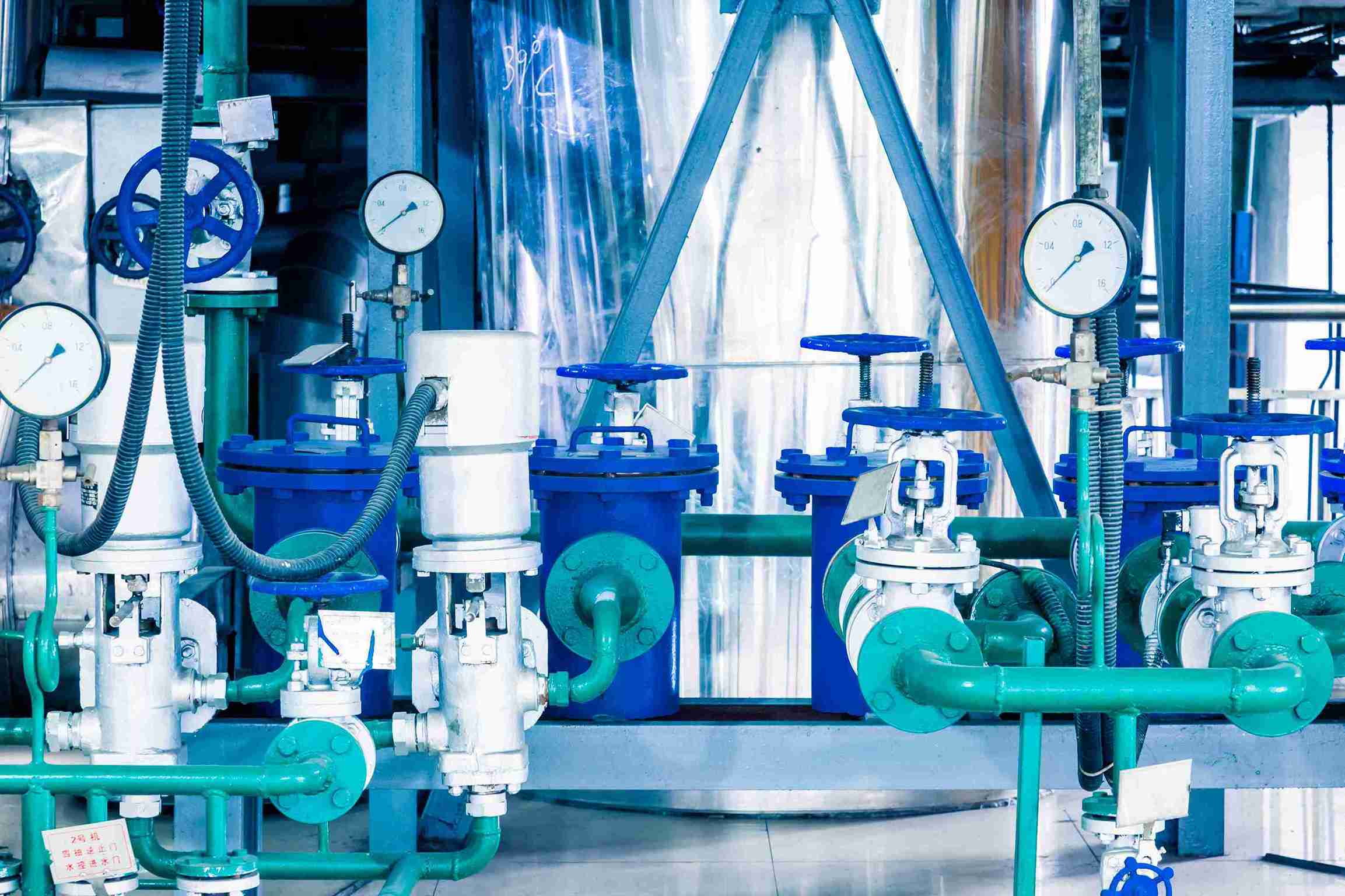
In each food processing, beverage, cosmetic, or pharmaceutical facility, cleanliness isn’t merely a good practice — it’s mandatory. One error can be a gigantic issue, from recall to a health hazard. That’s where FDA-Approved Sanitation Pumps enter the picture.
These pumps will help keep your production line clean, efficient, and compliant with strict industry regulations. Whether you’re blending sauce or filling bottles of shampoo, the right pump can make all the difference.
But why are these pumps so important? And how can they keep your company on the cutting edge? Let’s take a closer look and discover why FDA-Approved Sanitation Pumps are becoming an industry requirement in today’s manufacturing.
What are FDA-Approved Sanitation Pumps?
So first, let’s establish that we understand what we’re talking about. A sanitation pump is a device that is used to pump liquids down a production line. It could be fruit juice or hand cream. But when a pump is FDA-approved, what that means is that it meets some safety requirements set by the U.S. Food and Drug Administration.
These specifications are aimed at materials coming in contact with the product — i.e., pump surfaces, hoses, and seals. The material must be clean, safe, and non-toxic in order to be approved. Most FDA-approved pumps are made of 316L stainless steel and FDA-approved elastomers and are Clean-in-Place (CIP) or Steam-in-Place (SIP) compatible.
So, why is that significant to you?
If your product is ingested, applied to the body, or enters the body’s circulatory system, it needs to be treated through equipment of high sanitation quality. FDA-approved sanitation Pumps ensure your company is safe and legal.
Now that we have discovered what these pumps are let us discover what they can actually do for your company.
Top Benefits of FDA-Approved Sanitation Pumps
Using FDA-approved sanitation Pumps is less about being compliant and more about building a smarter, safer, and more efficient production line. Here is why.
Hygiene and Contamination Prevention
When you’re manufacturing food or healthcare products, there is no margin for mistakes. A small degree of contamination can be devastating. FDA-qualified pumps contain smooth, non-porous surfaces that can be easily cleaned and will not accumulate bacteria.
This design minimizes the risk of cross-contamination from batch to batch as much as possible. That means a safer product — and one less headache for your customers and employees.
But hygiene is not just about safety. It also leads to better shelf life, better taste, and better performance in your products. All of this leads to greater trust in your brand.
Designed for Clean-In-Place and Safety
One of the best features of these pumps is that the majority of them are CIP-compatible. Clean-in-place systems enable you to sanitize the pump without having to break it down. This saves time and labor and improves sanitation consistency.
Clean-in-Place technology is especially useful for companies that are making a changeover in product or operate continuously 24/7. You can have a cleaning cycle between batches without having to shut down for long periods.
And it just keeps getting better — because these pumps can be serviced safely, your staff is also less likely to be exposed to harmful chemicals or taking apart heavy equipment.
Long-Term Cost Savings
Yes, FDA-approved pumps can be more costly upfront than non-approved varieties. But they actually save you in the long run.
How? They last longer, require less repair, and are less likely to fail an inspection or require recalls. It’s like insurance on your own operation. One recall can cost you thousands — or millions — of dollars in fines, lost product, and reputation damage.
By investing in Sanitation Pumps FDA-Approved, you’re not only staying risk-free — you’re also making your whole system more reliable.
Establishes Customer Trust
Would you purchase a food or drug product made on low-cost, uncontrolled equipment? So would your customers.
By using FDA-compliant equipment, you’re telling your customers that you care about quality and safety. This helps to win your customer loyalty and differentiate you from your competitors.
Therefore, beyond the factory floor, these pumps help to build credibility in the eyes of customers, inspectors, and business partners.

How FDA-Approved Sanitation Pumps Keep You in Compliance
We’ve discussed safety and savings thus far — but now let’s discuss compliance a little more thoroughly. In the world of manufacturing today, regulators have to be complied with. It’s not an option.
No matter if you are regulated by the FDA, USDA, FSMA, or GMP, you are going to be required to show that your equipment can keep up. If your facility is audited, you will be required to show that your production line has sanitary, approved equipment — including your pumps.
This is where FDA-Approved Sanitation Pumps truly excel. Since they’re to known standards, they make documentation easier, are more likely to pass inspection and lower the risk of citations or fines.
And let’s get real — no one wants to endure a product recall or temporary shut-down due to non-compliance. Having the necessary equipment from the start prevents all of those worst-case scenarios.
So, which companies are most at risk? And in which sectors do they most rely on these pumps? Let’s find out.
Industries That Need FDA-Cleared Sanitation Pumps
Almost all manufacturing sectors that make consumer products for human consumption can utilize — or even require — FDA-Approved Sanitation Pumps. Some of the most prominent are:
Food and Beverage
Take milk, sauces, beer, juice, or baby food, for example. Whatever is food must be processed by sanitary machinery. Cross-contamination or bacterial growth can cause spoilage or illness.
Pharmaceutical
Accuracy and cleanliness come first in pharma. Pumps in this environment often need to be USP Class VI or similar medical grade and FDA compliant.
Personal Hygiene and Cosmetics
These cosmetics, like shampoos, toothpaste, and lotions, are not consumed but are applied to the skin. Hence, both quality control and cleanliness are equally important.
Specialty chemicals
Some of the chemicals used in flavor, preservatives, or health products must also meet FDA requirements when used in food products. Sanitary handling is necessary in such cases.
As you might well imagine, these pumps are not just for food processors — they are critical to many other industries. They are not, however, all created equal.
So, how do you pick the right one? And why should you pick BSK?
Why Choose BSK FLUID TECHNOLOGY?
In the case of FDA-Approved Sanitation Pumps, BSK FLUID TECHNOLOGY understands what is most important: compliance, dependability, and convenience.
BSK pumps are made of FDA-grade components like 316L stainless steel and sanitary-grade elastomers. They are designed to be used in CIP and SIP systems and are made for lower shear to support delicate products like creams or biological fluids.
But that’s not all.
BSK produces diaphragm and peristaltic pumps that are suited for high-sanitization applications. These pumps are engineered to accommodate the requirements of high-speed production lines — and to be easy to maintain.
It’s actually their service and customization that truly set BSK apart—having difficulty selecting a pump for your unique product or application? Their technical staff consults closely with customers to decide the proper solution. Are you building a new plant or replacing current lines? They’re on it.

Conclusion
Recap time. FDA-Approved Sanitation Pumps do a whole lot more than just move liquids around — they protect your product, your customers, and your reputation. They help keep you in compliance with tough regulations, reduce costly risks, and work better.
In safety-critical uses, the right pump is not a good thing to have — it’s essential.
If you’re ready to make your production line cleaner, smarter, and more compliant, don’t wait. Contact BSK FLUID TECHNOLOGY today, and let us guide you to the ideal FDA-approved solution for your company. We’re here to make it easy and to keep your business in motion — safely and smoothly.
Frequently Asked Questions
1. What is an FDA-Approved Sanitation Pump?
It is a pump that is made of FDA-compatible materials and designs regarding hygiene and safety regulations, especially in food, drug, and cosmetics production.
2. Why do I need an FDA-approved sanitation Pump in my production?
To comply with regulations, prevent contamination, and protect your products and consumers.
3. What are FDA-Approved Sanitation Pumps constructed of?
Typical materials used are 316L stainless steel, FDA-grade elastomers, and non-toxic and easy-to-clean plastics.
4. Are FDA-Approved Sanitation Pumps mandatory by law?
They are needed in most industries governed by the FDA, USDA, or other such agencies where hygiene and product safety are paramount.
5. How often should FDA-Approved Sanitation Pumps be cleaned?
They are predominantly Clean-in-Place (CIP) compatible, i.e., they can be cleaned between batches without being broken down. How often depends on your product and process.
6. Are the pumps able to handle thin and thick liquids?
Yes. The majority of FDA-approved pumps, such as peristaltic or diaphragm pumps, will accommodate a broad range of viscosities.
7. What industries utilize FDA-Approved Sanitation Pumps?
They rely on food and beverage, pharmaceutical, cosmetic, and some specialty chemicals sectors for safe processing.
8. What will happen if I do not use an FDA-approved pump?
You expose yourself to the risk of compliance, inspection, product recall, or safety risks.
9. Are FDA-Approved Sanitation Pumps more expensive?
They cost more upfront but repay themselves over the long term through increased durability, fewer breakdowns, and lower liability to the law.
10. Where can I get FDA-Approved Sanitation Pumps?
You can contact BSK FLUID TECHNOLOGY for professional guidance in selecting an FDA-compliant pump that suits your application.
Explore BSK Pneumatic Diaphragm Pumps
Looking for the right AODD pump for your application? BSK Fluid Technology offers a complete range of pneumatic diaphragm pumps in aluminum, stainless steel, cast iron, PP, and PVDF. With 30+ years of manufacturing expertise and patented ceramic air valve technology, we deliver reliable fluid transfer solutions worldwide.
Frequently Asked Questions
Can an AODD pump run dry without damage?
Yes. AODD pumps can run dry indefinitely without damage, unlike centrifugal pumps that suffer seal failure. Prolonged dry running does accelerate diaphragm wear, so we recommend a liquid-level sensor or timer to stop the air supply when the source is empty.
How can I control the flow rate of an AODD pump?
Flow is controlled by adjusting air pressure (simplest), installing a needle valve on the air supply, throttling the discharge valve (AODD pumps can dead-head safely), or using a solenoid valve with a PLC for batch dosing. Never throttle the suction side, as this causes cavitation.
What is an air-operated double diaphragm (AODD) pump?
An AODD pump is a positive displacement pump powered by compressed air. Two flexible diaphragms connected by a common shaft are driven back and forth by an air valve. When one diaphragm pushes fluid out, the other draws fluid in, creating continuous flow. AODD pumps are self-priming, can run dry, need no electricity, and handle a wide range of viscosities and solids.
How do I select the right AODD pump size (flow rate)?
BSK AODD pumps range from 1/4" (20-30 L/min) to 3" (900-1000 L/min). Select a pump that delivers 20-30% more flow than your minimum requirement so you can throttle for longer diaphragm life. Port sizes: 1/4" for lab/dosing, 1" for general industrial, 2" for large transfer, 3" for bulk/mining applications.
Where can I get a quote for the right AODD pump for my application?
BSK Fluid Technology engineers provide a personalized pump selection within 24 hours. Share your fluid properties, flow rate and pressure requirements via the Contact page or WhatsApp +86-134-3105-8937, and we will recommend the optimal model from our aluminum, stainless steel, cast iron, PP and PVDF AODD range.


