

In the fast-paced world of pharmaceutical manufacturing, efficiency is not an option—it’s a necessity. Every step of the process needs to be precise, sanitary, and fast, especially when it comes to dealing with powders. Powders are employed in many types of pharmaceuticals, such as tablets, capsules, and dry powder inhalers. However, sending powders from one place to another in a sanitary and controlled environment might not be easy.
That’s where powder pumps used in pharmaceuticals production come in. These new devices are changing the way companies conduct business with powder materials. They reduce waste, improve safety, and improve productivity—three advantages that any manufacturing plant can benefit from.
So, how do these pumps really work, anyway? How do they differ from antiquated techniques like scooping or gravity-feed systems? And how can the installation of the right powder pump at your facility really make a difference? Let’s take a closer look.
What are Pharmaceutical Manufacturing Powder Pumps?
Powder pumps are machines that move dry, solid powders from one container or region to another. While pumps for liquids are designed for liquids, pumps for powders are designed to move materials that don’t move on their own naturally. During the production of medicine, powder pumps are used to move powders safely and effectively from one stage of the process to the next.
The majority of powder pumps operate through vacuum, pressure, or mechanical suction of powder into a chamber and blowing it into the subsequent process stage. Many can be closed system designs, which reduce contamination and protect the product—and the people who are working with it.
They have much more control than old methods like hand scooping, gravity-fed hoppers, or mechanical conveyors. Powder pumps possess the ability to transfer powders without causing clouds of dust, and the air is cleaner and safer as a result.
But why is powder so difficult to manage in the first place?
Why Powder Transfer is a Challenge in the Pharmaceutical Industry
Powders can be harmless, but in pharmacy environments, they are extremely troublesome. First of all, there are an enormous number of powders that are sold in medications that are extremely light and fluffy. They are difficult to manage and simple to spill. A small cloud of dust can be dangerous to employees and the product itself.
Cross-contamination is also a serious issue. If powders from different products mix—even in tiny quantities—it can ruin a whole batch. To prevent this, pharmaceutical companies have strict measures to ensure powders are kept in closed, clean systems.
And then, of course, there is product loss. Spillage, adhesion, or blockage during transfer will lead to lost material and additional cost. Add this to the need for sterile environment and accurate dosing, and it is not hard to see why powder transfer needs to be handled with care.
How do powder pumps solve these problems?
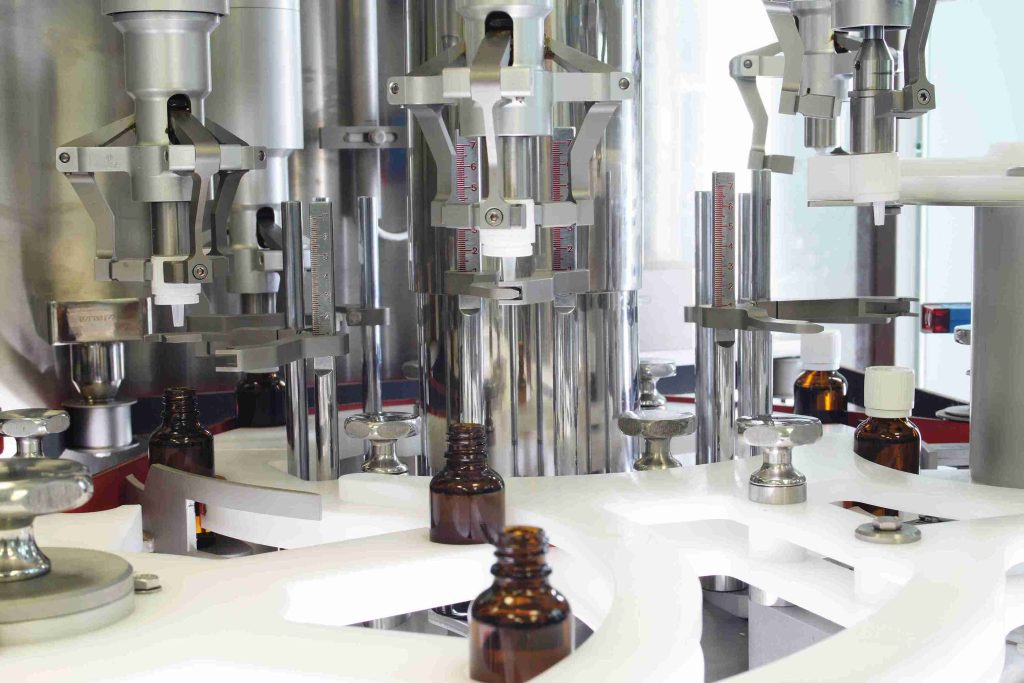
How Powder Pumps Enhance the Efficiency of Pharmaceutical Production
Powder pumps address most of the most prevalent powder-handling issues of the time—and do so with speed and accuracy. Let’s take a look at how they make efficiency a reality in everyday applications.
First, powder pumps save waste. Because they move powder in a closed system, there’s less opportunity for clogs or spills. The payoff? More product gets through the process, saving you money and boosting output.
Second, powder pumps speed up production. Older methods like hand scooping or vacuum conveying can bring the line to a halt. Powder pumps move product faster, and that means more batches in less time.
Third, they are safer. Powders are not safe for workers when inhaled or handled. Enclosing the material in an environment, powder pumps shield operators from exposure.
And finally, they reduce downtime. It is easier to clean and maintain with modern powder pumps—especially those for Clean-In-Place (CIP) or Sterilize-In-Place (SIP) systems. That means less lost time to close down production for cleaning.
Examples of Efficiency in Real Life
Some of the drug production facilities have increased their productivity by 20–30% since implementing powder pumps. Others have cut powder loss in half. When you’re producing high-value pharmaceuticals, those kinds of improvements can make a big difference in your bottom line.
With all those benefits, it’s no wonder powder pumps are at the forefront of modern manufacturing. But not all powder pumps are made equal. What do you want to look for when you choose one?
Key Features to Look for in Powder Pumps for Pharmaceutical Manufacturing
Choosing the right pump is not just a question of moving powder from point A to point B. In the pharmaceutical sector, there are strict standards of cleanliness, precision, and safety on all sides of the process. The foremost things to note when choosing a high-quality powder pump for pharmaceutical production are as follows.
1. Cleanability:
CIP and SIP capability allow the pump to be cleaned more easily without dismantling. This is particularly critical in sterile applications where any risk of contamination whatever small is unacceptable.
2. Correct Dosing:
Pharma products require accurate quantities of ingredients. A good powder pump must be capable of controlling the quantity of powder transferred accurately, giving the right amount per batch.
3. Delicate Product Handling:
Some powders are friction- or pressure-sensitive. The best pump will move them without changing their shape or damaging them.
4. Material Compatibility:
Pumps should be made of materials that do not touch the product. Stainless steel and pharmaceutical-grade plastics are standard.
5. Space-saving design:
In close-knit manufacturing environments, a small pump with simple installation can improve the layout and workflow of a large business.
Now that you know what to look for, it’s time to consider who to trust your money with. That’s where BSK comes in.

Why Choose BSK Powder Pumps for Pharmaceutical Production
BSK is known for powder transfer solutions that meet the high standards of the pharma industry. Their pharma manufacturing powder pumps are precise, clean, and efficient.
One of the greatest advantages of BSK’s pumps is that they are modular. This facilitates easy maintenance and cleaning without having to shut down production for extended periods of time. CIP/SIP systems are used by most of their pumps, which reduces downtime even more.
BSK knows flexibility too. Their powder pumps can be installed into any configuration, whether you are pumping powder from bags, silos, or other equipment.
Other than the equipment, the thing that sets BSK apart is the customer service. The staff takes the time to learn customers’ processes and suggest the optimal solutions. That is, you don’t just receive a pump—you receive a system that will streamline your production and make it more efficient.
Therefore, do you have to consider a powder pump upgrade?
Conclusion
If your pharmaceutical factory is still using old or manual powder handling methods, perhaps it is time for a change. From lower waste expenses to increased safety, powder pumps for pharmaceutical manufacturing offer real advantages that can make a positive impact on your everyday operations.
Ask yourself: Do you want faster transfer times? Fewer spills? Easier cleaning and maintenance? If you’ve answered yes, it might be time to investigate how a new powder pump system can help you.
And when you’re ready to take that next step, there’s one more thing to do. Let’s Discuss Your Powder Pump Requirements. Your operation also deserves equipment that’s as efficient and clean as the products you make. If you’ll take the initiative to reduce waste, boost production, and keep your operation clean and in regulation, we can help.
Contact BSK today to learn how our pharmaceutical manufacturing powder pumps can be designed to fit your plant. Let’s get you the best solution.
FAQs
1. What is a powder pump?
A powder pump is equipment that conveys dry powders from one place to another without water or liquid.
2. Why is a powder pump utilized in the pharmaceutical industry?
They are employed to transport powders utilized in drug preparation without spilling, dust, or contamination.
3. How do powder pumps function?
They will utilize vacuum pressure or compressed air to inhale and expel powders through tubes.
4. Are cleanroom powder pumps safe to use?
Yes, the majority of powder pumps used in pharmaceutical production are designed to satisfy strict cleanliness regulations.
5. Do powder pumps work for all powders?
They are able to process many varieties, but there are pumps that prefer specific powder sizes or textures.
6. Do powder pumps minimize waste?
Yes, since they transfer powder in a closed system, less product is lost in the process.
7. Are powder pumps easy to clean?
Most pumps are easy to clean, and others do not even need to be taken apart for cleaning.
8. Can powder pumps be applied in mass production?
Yes, they are employed in tiny labs and enormous factories.
9. What is a good powder pump to use in pharma?
It should be accurate, cleanable, safe, and made of quality materials.
10. Where can I get high-quality powder pumps used in drug manufacturing?
You may contact BSK Fluid Pumps to learn more about the best powder pumps for your use.
Explore BSK Pneumatic Diaphragm Pumps
Looking for the right AODD pump for your application? BSK Fluid Technology offers a complete range of pneumatic diaphragm pumps in aluminum, stainless steel, cast iron, PP, and PVDF. With 30+ years of manufacturing expertise and patented ceramic air valve technology, we deliver reliable fluid transfer solutions worldwide.
Frequently Asked Questions
Why choose an AODD pump instead of a centrifugal pump?
AODD pumps excel with high-viscosity fluids (up to 10,000 cP), abrasive slurries and shear-sensitive liquids. They run dry without damage, are self-priming, handle solids up to 6mm, and are safe for explosive environments with no electricity. Centrifugal pumps suit very high flow (>1000 L/min) or high pressure (>10 bar).
What industries use AODD pumps?
AODD pumps are used in chemical processing, food & beverage (dairy, wine, CIP), painting & coating, ceramics & mining (slurries, glazes), pharmaceuticals, oil & gas, water treatment, electronics, automotive, and pulp & paper. Their ability to handle abrasives, solvents and shear-sensitive fluids makes them ideal across these sectors.
What pump body materials are available?
BSK offers five body materials: Aluminum alloy (general purpose, oils), Stainless steel 316 (corrosive chemicals, food, pharma), Cast iron (low-cost industrial, wastewater), Polypropylene/PP (acids, alkalis, lightweight), and PVDF (strong acids, solvents, high-purity).
When should I choose PTFE vs Santoprene diaphragms?
Choose PTFE for strong acids, aggressive solvents, high-purity or temperatures above 80°C (shorter flex life, higher cost). Choose Santoprene for mildly corrosive/neutral fluids, longer diaphragm life (2-3x vs PTFE), food-grade use and cost efficiency.
Where can I get a quote for the right AODD pump for my application?
BSK Fluid Technology engineers provide a personalized pump selection within 24 hours. Share your fluid properties, flow rate and pressure requirements via the Contact page or WhatsApp +86-134-3105-8937, and we will recommend the optimal model from our aluminum, stainless steel, cast iron, PP and PVDF AODD range.


