
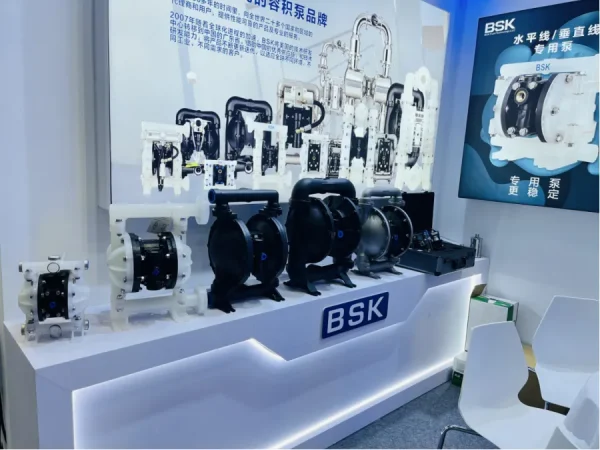
If you’re facing a harsh environment, it’s essential to choose the right pump for your fluid management needs. Diaphragm pumps, especially those made from stainless steel and other tough materials, are often that choice. This opening chapter will make you aware of when and how diaphragm pumps are right for tough conditions, and present different models such as a stainless steel air diaphragm pump , a chemical injection diaphragm pump or a roughneck air operated pump to meet harsh circumstances.
Why Choose Diaphragm Pumps for Harsh Environments?
Reliability and robustness are essential in environments where chemicals such as acid, heat sources and abrasive material need coping mechanisms. With their distinctive design, diaphragm pumps can handle many different fluids -hazardous or not- without putting internal components at risk of damage. Here’s a quick outline:
- Chemical Resistance: Diaphragm pumps can be made from materials resistant to harsh chemicals, thus they are very suitable for industries such as chemical processing plants or waste disposal facilities.
- Dry Running Capabilities: Unlike some other types of pump, diaphragm pumps can continue running without any damage being caused when the liquid supply is cut off.
- Ease of Maintenance: With fewer moving components than other pumps, it’s easier to maintain and repair diaphragm pumps.
Types of Diaphragm Pumps Used in Harsh Environments
To help you get a proper feeling for how these pumps hold up under tough conditions, here are the major types used in harsh environments:
- Stainless Steel Air Diaphragm Pump: Known for its durability and corrosion resistance, this pump is appropriate for applications involving corrosive fluids.
- Chemical Injection Diaphragm Pump: Developed specifically to accurately dose aggressive chemicals, that are often used in water treatment plants.
- roughneck air operated diaphragm pump : Designed for heavy duty use, this pump can take material like sand or sludge.
Comparison of performance
To better understand the performance differentiation among these pump varieties, consider the following comparison chart:
| Pump Type | Best Use Case | Advantages | Disadvantages |
|---|---|---|---|
| Stainless Steel Air Diaphragm Pump | Corrosive fluids at industrial facilities | Strong, highly durable, corrosion-resistant | Higher costs compared to many other materials |
| Chemical Injection Diaphragm Pump | Accurate, reliable for harsh chemicals | Accurate | Regularly requires regular maintenance |
| roughneck air operated diaphragm pump | Handling abrasive materials | Highly robust, can handle solids | Noisy, uses more power |

How to Choose the Right Pump
If you are choosing a diaphragm pump for use in harsh environments then consider the following factors in making your decision:
- Material Compatibility: Ensure that the pump material is compatible with the fluids you plan to handle.
- Operational Requirements: Determine the flow rate and pressure requirements for your application.
- Maintenance and Repair: Easily find parts and take care of your pumps relatively simple maintenance needs.
By understanding these factors, you can make an informed decision about which diaphragm pump is best suited to your individual requirements in harsh environments. Be it aggressive chemicals or abrasive slurry handling, there is a diaphragm pump designed to meet the challenge.
Stainless Steel Air Diaphragm Pumps’ Features
When considering a pump for industrial use, and especially in harsh environments, the stainless steel air diaphragm pump comes highly recommended. In particular, this kind of pump is known for enduring performance and getting the job done. Here you can learn about the principal features of stainless steel air diaphragm pumps, and why they have emerged as top choices for professionals such as yourself.
Durability and Corrosion Resistance
Using a robotic welding process in a cleanroom, stainless steel air diaphragm pumps achieve the highest strength and integrity with consistent welding quality. Known for glasslike smoothness and a 1800 rpm surface finish on the micro level, the stainless steel can be modified even further in many cases, toward smoother finishes than can be achieved by any number of existing methods such as shot blasting or polishing. This results in pumps that look nearly brand new when they are taken out of service after many years of work.
The design of stainless steel air diaphragm pumps depends on over 40 years of engineering experience to produce an all-metal pump that minimizes the number of wear parts and problems linked to them. More over, all these designs eliminate the hazardous activities involved in manufacturing composite (plastic) pumps nowadays. One example illustrates the point: in a single piece with each internal surface fully exposed to laser equipment for surface treatment afterwards, design 8YB yields a drastically reduced number of moving assemblies and components compared to designs made by other manufacturers.
The production base The production line for stainless steel air diaphragm pumps produces a seamless product, limiting the number of weak points while also stifling potential sources of pollution. The manufacturing process involves a total of 185 workers who work diligently in two shifts daily respectively over six days per week year-round even going into recess over important holidays like Lunar New Year and MayDay. Open 365 days per year to ensure ongoing supplies, the plant has seen over 3 million man hours (or an average of 4,000 people/year) of operation without a single lost time injury since 1985; there’s been no serious accident on site either.
Efficiency and Performance
The efficiency of stainless steel air diaphragm pumps—from early single-stage machines up to the present two-speed machines — can be measured by calculating their efficiency stagnation points. Higher speed machines have lower efficiency when delivering one liter of liquid per minute in fresh tap water at 20C| A key advantage of stainless steel air diaphragm pumps is that they can accommodate various flow rates while maintaining a stable output, which is critical to processes needing fine control over flow. At the same time using electric drives instead has two significant advantages: in cases of maintenance emergencies (vital for continuous-process plants) or if you need several motors at one time connecting them all together with a common drive may save a lot of money on copper wires as well as keeping key parts warehouse inventories limited too.
Ease of Maintenance
The stainless steel air diaphragm pump has a simple, robust design and many replaceable components. As long as it is maintained properly, it will last for many years or even indefinitely—essential in continuous operation settings to avoid costly downtime.
- Common Replacement Parts: The replacement parts most frequently needed are diaphragms, seals, and valves. every 2000 hours of machine operation (or once a year, whichever is sooner) these should be replaced. Parts replacements specific maintenance Check the equipment maintenance booklet for detailed instructions on what to look out for in each inspection and when it should next come up Attach caps on unused ports or valves so they don’t get lost.
Application Versatility
A stainless steel air diaphragm pump’s versatility means that it can be used to pump many different products. You can depend on it whether you are transferring fluids with a high viscosity in the automotive or chemical industries, or need to circulate a crude oil heating system and elevators used at temperature below zero degrees Fahrenheit.
- Pressure Capabilities: That they will be employed in systems requiring high operational pressures Cannot be used in a vacuum but they can do more pumping work than just about any other type of pump, and systems up to 8 bars are no problem even for small or medium size capacity u-rings. Stainless steel air diaphragm pumps do not always have to be sealed from atmosphere so long as the total suction head loss–i.e., the distance from their common suction tap – to the pump itself–is less than 10 m for any single machine.
Environmental Impact
A stainless steel air diaphragm pump is in keeping with environmental sustainability goals. The materials used are readily recyclable; the pump is very energy-efficient, an important factor contributing to a reduced carbon footprint.
Recyclable: A large percentage of the pump’s components can be recycled.
Energy consumption: Comparatively low, reducing environmental impact.
Comparison with other materials
To help you understand why stainless steel is often preferred over other materials, here’s a comparison table highlighting key differences:
| Material Type | Corrosion Resistance | Durability | Cost Efficiency |
|---|---|---|---|
| Stainless Steel | High ROI | High | Moderate |
| Aluminum | Moderate ROC | Moderate | Low |
| Plastic | Low TCO | Low | High |
While other materials might offer some benefits such as lower costs or weight, this table indicates that stainless steel provides a good balance between service life, quality, and long-term value. To sum up, the stainless steel air – to – diaphragm pump provides many benefits which make it the best choice for demanding industrial application. Its durability, efficiency, and flexibility mean you can trust it to carryout your critical operations: thereby making this product an investment which will pay off in spades over your future projects.

Advantages of Chemical Injection Diaphragm Pumps in Severe Corrosive Environments
In dealing with corrosive environments in industrial settings, the correct kind of pump for handling chemical injection is vital. Chemical injection diaphragm pumps have several advantages, which make them especially suitable for use in these tough conditions. In this article we will explore why this type of pump has become a leading contender among users; as opposed to others on the market today.
Highly Durable Chemical Resistance
One of the primary benefits of chemical injection diaphragm pumps is its excellent resistance to corrosive chemicals. Typically made from materials that can withstand hard substances for an extended period without being damaged or corroded. Will retain its original integrity and working condition under prolonged use, even when under the attack of caustic chemicals.
Material Used in P Diaphragm Pump:
PTFE (Polytetrafluoroethylene)
PVDF (Polyvinylidene fluoride)
Stainless steel
Consistent and Accurate Dosing
Precision in chemical dosing is vital to many process industries. Chemical injection diaphragm pumps keep careful control over liquid flow rates which ensures that their methods can be utilized with certainty- and at a constant quantity of solution without any swings in content quality or process water waste slots. This “precision metering” also helps keep your processes efficient reducing wastages at one end while also making sure that what goes down the drain as sewage for instance meets up in kind such being properly processed inside a plant using bacteriological first aid techniques where everything remaining uncontaminated becomes foodstuffs.
Key Features for Dosing Accuracy:
- Adjustable Flow from complete shutoff up to 100 gph
- Pulse-Free Delivery
- Minimal Backflow Less than 50 ml of flow in the line after complete shutdown on all Stroke rates except four pints per minute and above. Lowest value occurs with highest flow rate.
Enhanced Safety Features
When working with corrosive chemicals, safety is the primary concern. Chemical injection diaphragm pumps are designed with safety in mind, and have features that minimize the danger of leakage or spills. The diaphragm itself (e.g.,) acts as a barrier to prevent chemicals from escaping. This not only protects both operator health and the environment, It also prevents operators from coming into contact with dangerous working conditions.These pumps embody their environmental ethic right through Job and then Builds an Operator’s ” tobruk terM Objective 以Me machines which incorporate all aspects of safety informiachinese.
Safety Mechanisms in Diaphragm Pumps:
- Leak detection sensors
- Double diaphragm with alarm systems
- Pressure relief valves
Low Maintenance Requirements
The robust construction and simple design of chemical injection diaphragm pumps present lower maintenance requirements than other pump types. This not only means less downtime, but also reduces long-term operational costs This regular maintenance is easy to carry out and does not require specialized skills, making it possible to maintain the pump performance Cruise for a long time.
Maintenance Tips for Longevity:
- Regular diaphragm inspection
- Check valve cleaning and replacement
- Lubrication of moving parts
Comparison with Other Pump Types
For additional information on the advantages of chemical injection diaphragm pumps there is a comparison with other common pumps used in corrosive environments such as centrifugal and piston.
Figure 1 Comparison data between is given here in Fairty of Examples, because it is generally better for people to see a picture example than to merely read about something.
| Feature | Chemical Injection Diaphragm Pumps | Centrifugal Pumps | Piston Pumps |
|---|---|---|---|
| Chemical Resistance | Excellent | Good | Zero |
| Dosing Accuracy | Excellent | Zero Low to Zero | Good to Zero |
| Maintenance Needs | Low | High | Zero |
| Safety Features | Excellent | Good to Zero | Low |
In conclusion, chemical injection diaphragm pumps are better for corrosive environments. Not only do they withstand chemical corrosion, the dosing accuracy of here is up to twenty times better than that for centrifugal pumps. They also have high safety characteristics and little maintenance problems. For these virtues, this kind of pump is recommended to industries that depend upon the firm and reliable handling of chemicals. Industry is diverse. Whether engaged in pharmaceuticals, food processing or chemical manufacturing, you’ll find that switching to a chemical injection diaphragm pump greatly enhances both operational efficiency and safety standards.
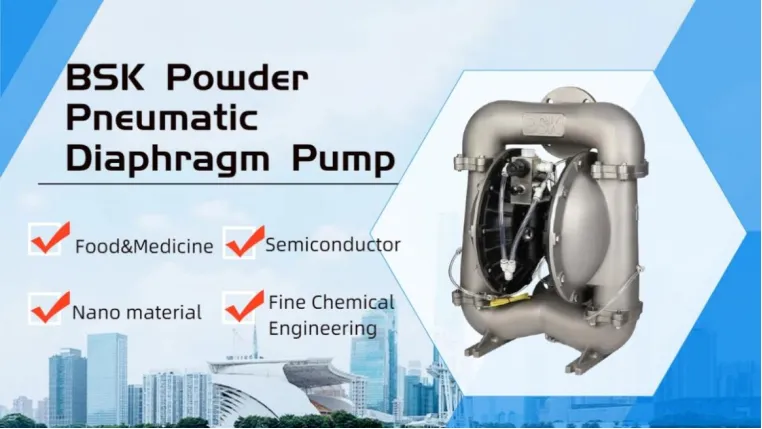
Roughneck Air Operated Diaphragm Pump Comparison Other Material
If you are needing a diaphragm pump, the difference between pumps made of steel and those made from roughneck air operated pumps never makes itself more apparent than when you go to buy one. This article describes, therefore three types for comparison: Roughneck air operated pump vs alternative forms (with three other materials and their features).
Material Performance And Chemical Resistance
Here’s how they fare compared against stainless steel air diaphragm and chemical injection pumps in terms of materials resistance and chemical endurance. Explore it further!
- Roughneck Air Operated Diaphragm Pumps: Constructed with medium-to high-grade plastics, these pumps are practical in places that handle lumpy and abrasive substances.
- Stainless Steel Air Diaphragm Pumps: Renowned for their resistance to corrosion, stainless steel pumps are ideal for handling corrosive liquids of all kinds – including acids or bases.
- Chemical Injection Diaphragm Pumps: Most often made from materials that have been specifically chosen to be compatible with the chemicals they will be holding, such as high-grade synthetics.
How They Perform in Harsh Outdoor Settings
To give you a better idea of how these pumps perform in challenging environments, here are the following criteria:
- Temperature Range: Designated to work well in a wide range of temperatures, Roughneck pumps is ideal for processes that have widely fluctuating environmental conditions.
- Wear and Tear: Durable as stainless steel pumps may be, when used with substances that are abrasive their life can still be curtailed. On the other hand Roughneck pumps are designed from the ground up to deal with such materials.
Cost-Effective
When it comes to costs, looking beyond the initial purchase price and maintenance costs over time is equally important. Here’s a quick description:
- Initial Cost: Roughneck pumps are usually lower in price compared to stainless steel or special chemical pumps.
- Maintenance Costs: Because of their strength, in locations with abrasive or corrosive substances Roughneck pumps tend to have lower costs over the long term.
Comparative Table of Material Properties
| Name of Materials | Corrosion Resistance | Abrasion Resistance | Cost Effectiveness |
|---|---|---|---|
| cast Iron Air Diaphragm Pump | Moderate | High | High |
| Stainless Steel air diaphragm pump | High | Low cost | Moderate |
| Chemical Injection Diaphragm Pump | High | High | Low cost |
Conclusion
If you want the best material choice for the diaphragm pump to last under chronic or even acute conditions, then you must take many factors into account for selection. Here are the key conclusions from the performance comparison of stainless steel diaphragm pumps and specially fabricated diaphragm pumps.
- Corrosion resistance: Stainless steel air-driven diaphragm pumps can provide good corrosive resistance and can therefore handle harsh chemical environments or situations where they are directly exposed to seawater. However, in particularly aggressive environments, you may need special materials like PTFE or PVDF.
- Durability and Longevity: A diaphragm pump made from special materials such as high grade synthetics often offers better wear resistance than a stainless steel one. These materials are built not only to resist chemical aggression but also thermal toughness and mechanical abrasion.
- Cost-effectiveness: While stainless steel pumps generally cost less upfront, we have to consider total ownership cost in terms of all expenses inclusive. Though special material pumps are more expensive as a rule at first, their longer lifespan and lower costs due to reduced maintenance may turn out to make them less expensive on account of that longer useful life.
Explore BSK Pneumatic Diaphragm Pumps
Looking for the right AODD pump for your application? BSK Fluid Technology offers a complete range of pneumatic diaphragm pumps in aluminum, stainless steel, cast iron, PP, and PVDF. With 30+ years of manufacturing expertise and patented ceramic air valve technology, we deliver reliable fluid transfer solutions worldwide.
Frequently Asked Questions
What is the maximum discharge pressure of an AODD pump?
Maximum discharge pressure equals the air supply pressure minus minimal internal losses. Standard BSK pumps reach 6-8 bar; high-pressure models reach up to 15-16 bar via a booster configuration. The pump cycles slower as discharge pressure rises and stalls when discharge equals air supply pressure.
How much compressed air does an AODD pump consume?
Air consumption at 4 bar: 1/2" pump 0.3-0.5 m³/min, 1" pump 0.8-1.2 m³/min, 2" pump 2.5-4.0 m³/min, 3" pump 4.5-7.0 m³/min. The BSK ceramic air valve saves up to 30% air versus conventional metal valves.
Why is my diaphragm pump losing pressure or flow?
Common causes: worn valve balls/seats (replace valve kit), blocked suction strainer (clean), insufficient air supply (check compressor), worn diaphragms (replace set), sticking air valve (clean/replace), or blocked muffler. Confirm discharge pressure has not risen to equal air supply pressure.
How long do AODD pump diaphragms last?
Diaphragm life: Santoprene 3-20 million cycles, PTFE 2-12 million, Viton 3-15 million (depending on duty). Life is reduced by high pressure, high temperature, abrasive particles, cavitation and rapid cycling. Replace diaphragms in pairs and keep spare kits on hand.
Where can I get a quote for the right AODD pump for my application?
BSK Fluid Technology engineers provide a personalized pump selection within 24 hours. Share your fluid properties, flow rate and pressure requirements via the Contact page or WhatsApp +86-134-3105-8937, and we will recommend the optimal model from our aluminum, stainless steel, cast iron, PP and PVDF AODD range.


